Good morning. Of all the turnarounds in the past several years, few rival what Larry Culp managed to do for General Electric. Tapped as the first outsider to run GE in late 2018, Culp split the moribund conglomerate into three Fortune 500 public companies: GE HealthCare Technologies, GE Vernova and GE Aerospace. The first to spin off was GE HealthCare, which went public on the Nasdaq exchange on Jan. 4, 2023. Since then, its stock is up almost 50%. (GE Vernova is up 400% since its April 2024 debut, thanks in large part to AI-driven electricity demand, while GE Aerospace has more than doubled.)
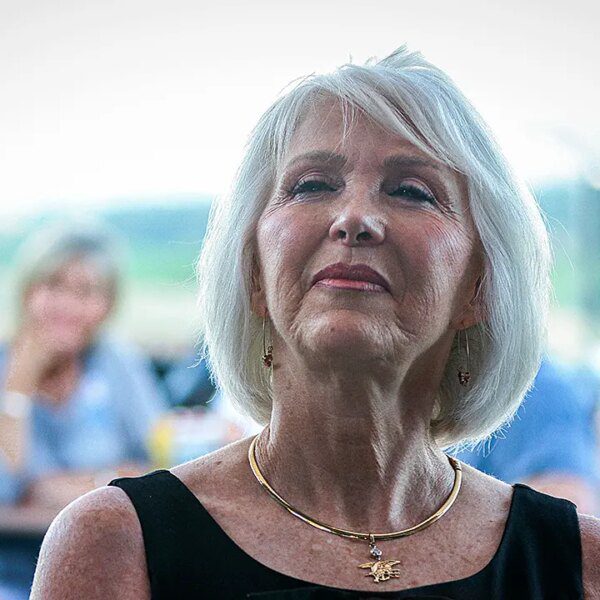
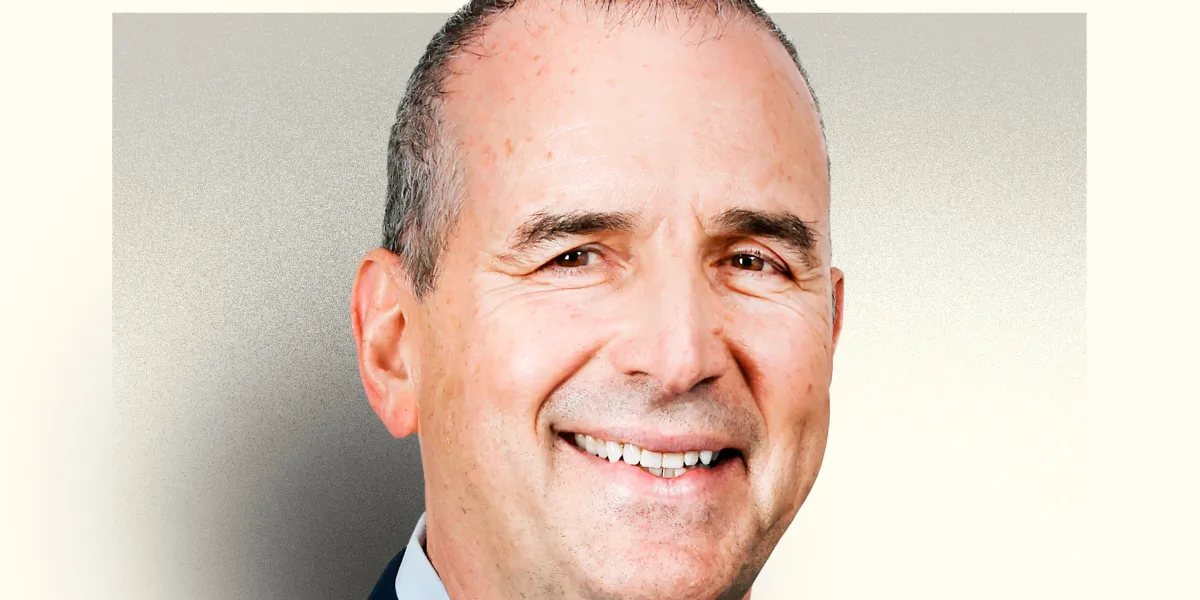
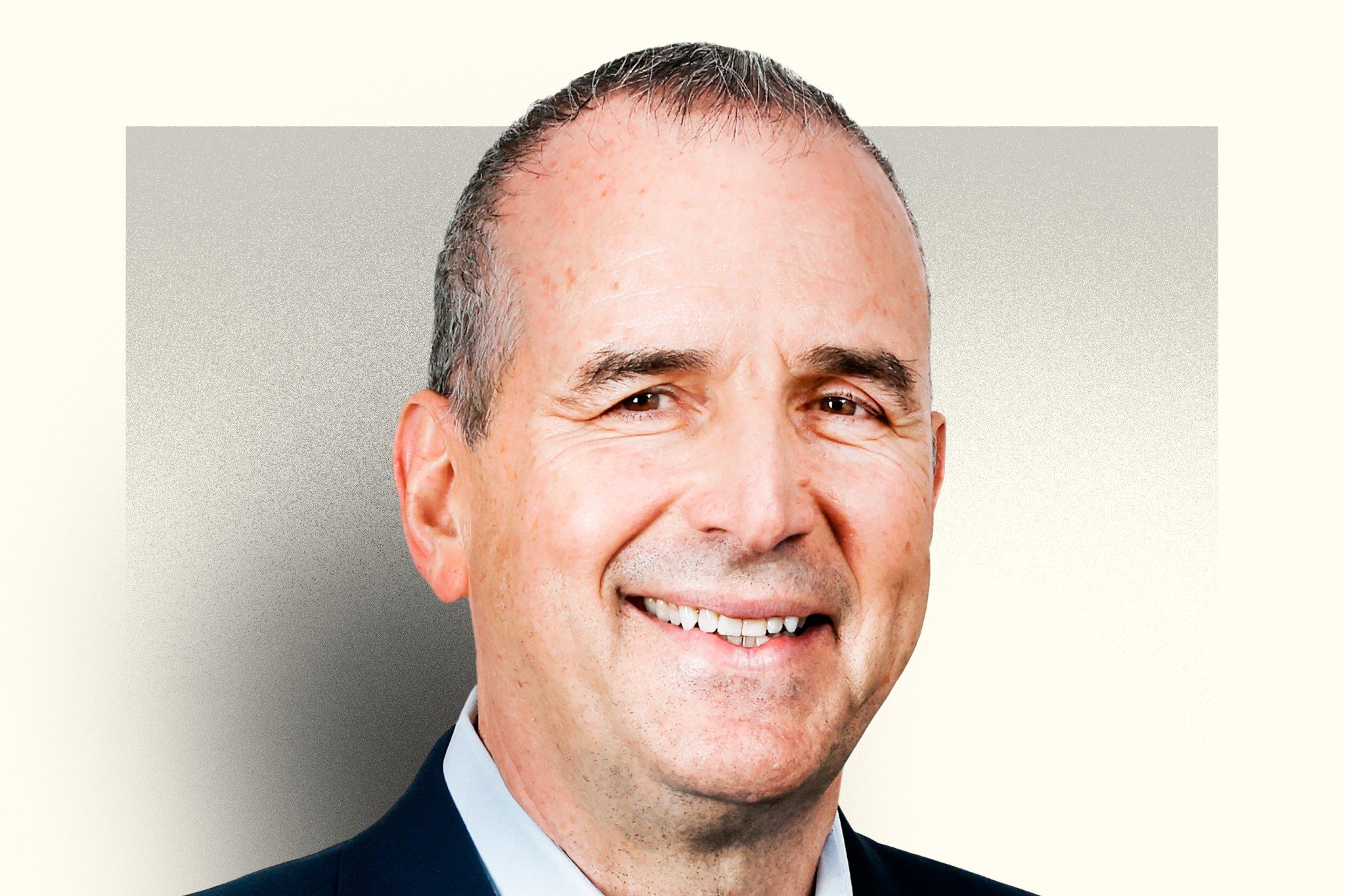
I recently spoke with GE HealthCare CEO Peter J. Arduini about how he’s been forging a new chapter for the $20 billion-a-year medical technology and digital health company while drawing on GE’s legacy. Arduini spent much of his early career at GE under the leadership of Jack Welch and then Jeff Immelt, leaving in 2005 before Culp wooed him back.
Our conversation reminded me why GE was revered for much of its 133-year history. This was the company that Thomas Edison built, with a management system so potent that investors once believed it could be applied to light bulbs, nuclear reactors, Saturday Night Live and its opaque GE Capital finance arm with equal results. At its peak in 2000, GE’s market cap hovered around $600 billion, more than $1 trillion in today’s dollars. Then came the dot-com crash, 9/11, the Enron scandal, and the 2008 financial crisis, not to mention some fumbles under Immelt, who never managed to recreate the aura of his predecessor. The gold standard for global leadership was deemed too big to manage and broken up.
But Arduini has tried to revive much of what made GE special, from how it developed people to how it produced products. “The GE model was really stellar, and, honestly, prior to Larry coming back, some of that had dissolved. We didn’t even really do performance reviews in the same way and he brought that back,” said Arduini. “I tried to take the GE of old and took what was really good: how we think about our distribution of leadership, how we actually talk about leader development, how we build out our own Crotonville virtual university of development.” That said, he doesn’t yearn to be part of the behemoth he left behind. “When you’re in a larger business, in many cases, decisions take longer. And focus matters in our business. It is all about signal to noise; you want more signal, less noise. In a larger company, there has to be a little bit more noise.” Click here for the full interview.
Contact CEO Daily via Diane Brady at [email protected]
Top news
All eyes on Greenland
The fate of Greenland is under fresh scrutiny following the U.S.’s intervention in Venezuela and President Donald Trump’s statement that the U.S. needs to control the strategic, mineral-rich Arctic island that’s a Danish territory. Trump aide Stephen Miller asserted on Monday that the U.S has the right to seize Greenland. Denmark Prime Minister Mette Frederiksen has said that Trump’s comments should be taken seriously and that an American takeover of Greenland would essentially end the NATO alliance.
Reality check in Venezuela
President Trump is eager for the U.S.’s oil sector to tap Venezuela’s vast reserves, but in reality American producers are hesitant to reenter the country. Doubling Venezuela’s current oil output would take until 2030 and cost about $110 billion, according to Rystad Energy. “You’re not going to bully Exxon [Mobil] and Chevron into spending a bunch of money in a risky spot,” says Dan Pickering, founder and chief investment officer for Pickering Energy Partners consulting and research firm.
Banking is great again
The Trump administration’s deregulatory push and falling interest rates have made it the best time in a generation to be a banker as evidenced by banks’ surging stock prices—up 29% last year—and the massive payouts awarded to Wall Street CEOs: $770 million for Jamie Dimon and $100 million apiece for Goldman Sach’s David Solomon and Citi’s Jane Fraser.
Global tax deal
Nearly 150 countries have agreed to a landmark deal to stop large global companies from shifting profits to low-tax jurisdictions and impose a minimum 15% global tax. However, U.S. multinationals will be exempt from the new rules after the Trump administration threatened retaliatory taxes against countries that slapped levies on U.S. firms.
Jollibee IPO
Jollibee, the Philippines-based fast food chain known for its ‘Chickenjoy’ and sweet spaghetti, will spin off and list its international division to fund its global expansion. Phillipines-listed shares of the restaurant, which rivals the likes of McDonalds, recorded their largest-ever jump on the news, rising 14.5% on Tuesday.
Protests in Iran
Protests continue to sweep across Iran amid a deepening currency collapse and other societal crises, leading some to question whether President Trump might respond to Iran’s government as he did in Venezuela. The president has already warned that the U.S. may intervene if peaceful demonstrators are harmed.
Who’s next after the Nvidia-Groq deal?
Just before Christmas, Nvidia announced a $20 billion deal to license the technology, and absorb most of the headcount, of chip company Groq. These are the chip startups that could see investment next.
The markets
S&P 500 futures were flat this morning. The last session closed up 0.64%. STOXX Europe 600 was up 0.06% in early trading. The U.K.’s FTSE 100 was up 0.64% in early trading. Japan’s Nikkei 225 was up 1.32%. China’s CSI 300 was up 1.55%. The South Korea KOSPI was up 1.52%. India’s NIFTY 50 was down 0.28%. Bitcoin was at $94K.
Around the watercooler
‘Big Short’ investor Michael Burry says toppling of Venezuela’s Maduro will weaken Russia’s global standing as its oil ‘just became less important’ by Marco Quiroz Gutierrez
Why Wall Street permabull Tom Lee thinks we’re in the third great labor shortage era—and AI is an innovation like frozen food by Nick Lichtenberg
Blackstone exec says elite Ivy League degrees aren’t good enough—new analysts need to ‘work harder’ and be nice by Ashley Lutz
CEO Daily is compiled and edited by Joey Abrams, Claire Zillman and Lee Clifford.