Good morning. We published the 2026 Fortune Global 500 list this morning, ranking the world’s largest corporations by revenue for the 2025 fiscal year. The list, now in its 37th year, shows an unprecedented consolidation of power at the top. In total, the Fortune Global 500 companies represent two-thirds of the world’s GDP with $43.1 trillion (up 3%) in revenues, $3.4 trillion (up 14%) in profits, and 70.2 million employees. The top 50 companies alone account for a third of total revenue and 39% of profits.
One takeaway is that having scale, capital, and a global footprint are increasingly important, which could mean mid-sized players have to partner or have a distinctive value proposition to thrive. Another is that U.S. domination is increasing, with 141 companies and $15.5 trillion in aggregate revenue. (Greater China—which includes China, Hong Kong, Macau and Taiwan—has 122 companies on the list.) While finance is the biggest sector with 123 companies, followed by energy (77), much of the action is happening in tech: Those 38 companies saw profits rise 36% to $835 billion last year on $4 trillion in revenue.
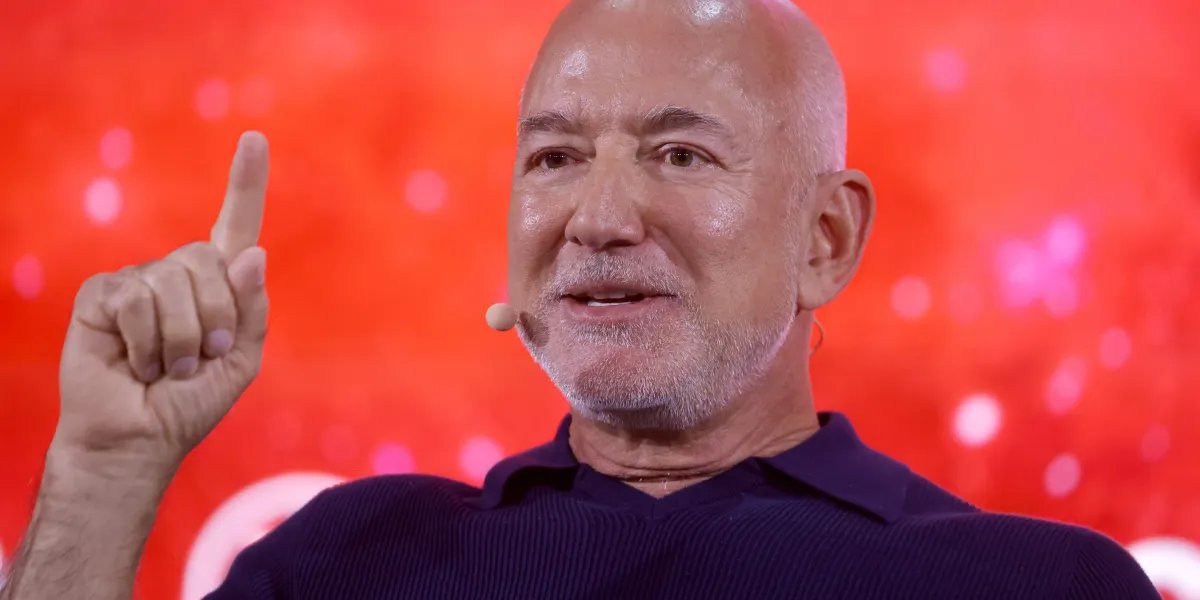
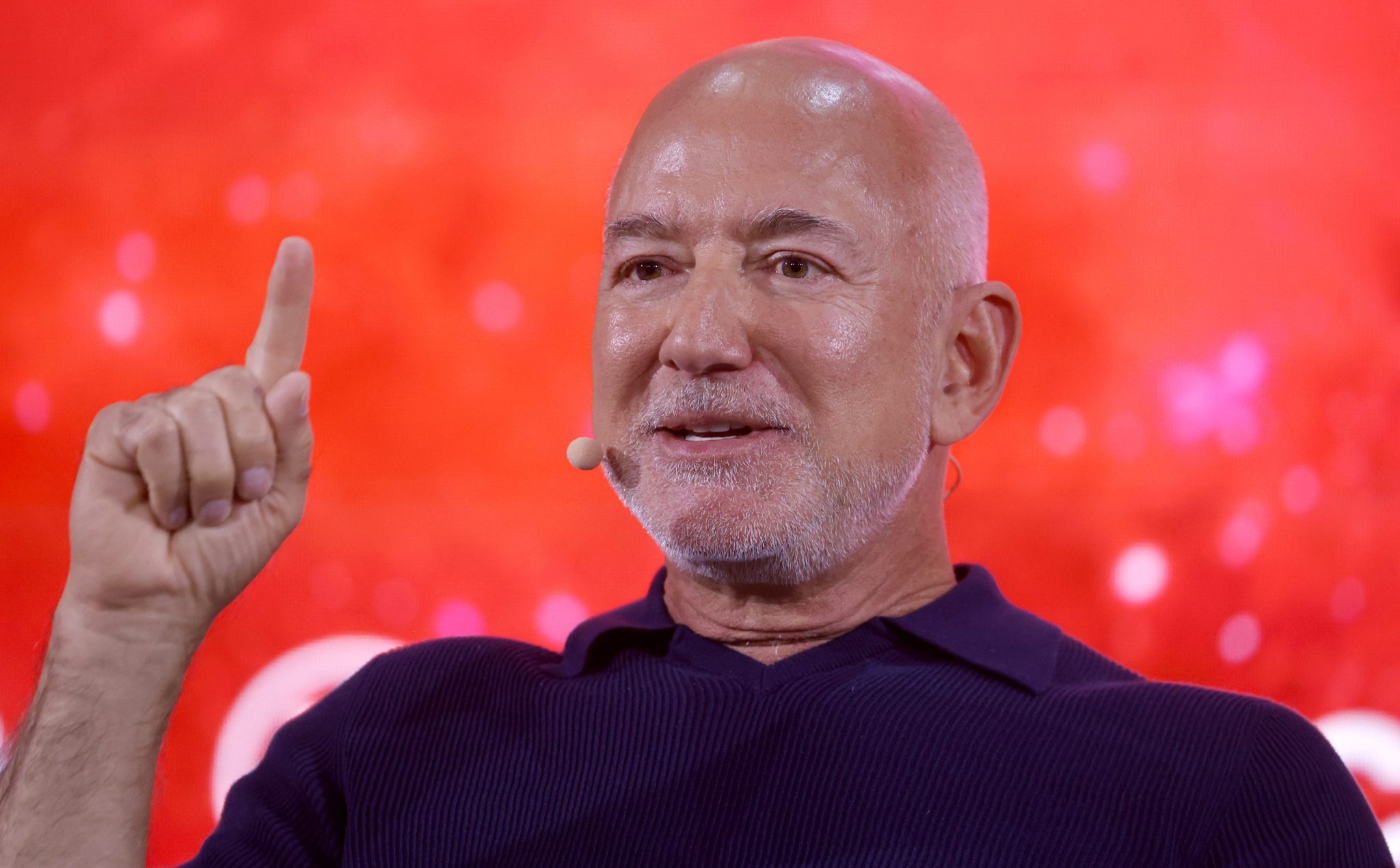
The list also tells us something about how the business landscape is shifting. Women lead 38 Global 500 companies, a record high on a trend that continues to move at a glacial pace. The power brokers of business continue to be mostly men. That power is not limited to the CEO job, of course. It’s been five years since Jeff Bezos stepped down as CEO of Amazon, which ascended to the No. 1 spot on this year’s list, but he remains a powerful force as executive chair. As Bezos told my colleague Kristin Stoller, “a lot of companies will tell you they’re customer-obsessed, but they’re really competitor-obsessed. You can’t be customer-obsessed unless you love inventing … You have to do new things.”
Indeed. One of those things, perhaps, is for leaders like Bezos to consider how the increasing consolidation of revenue and power is impacting the business landscape. While large global players have the resources to drive the next era of innovation, they also have the power to dominate in ways that may not be good for customers, competition and compensation. With power comes the responsibility for leaders to act as stewards of innovation that drives long-term value for all, and not just winners who profit from it.
Contact CEO Daily via Diane Brady at diane.brady@fortune.com
Top leadership news
Nissan tries to navigate a more complicated world
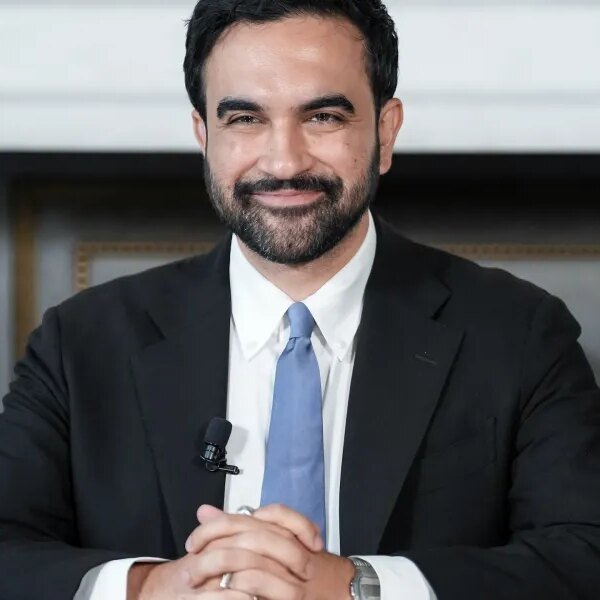
After merger talks with Honda collapsed and Nissan posted a $3.54 billion loss, the board picked Ivan Espinosa to lead a turnaround. “It was obvious you had to resize the company,” he told Fortune. The Japanese carmaker is now focused on rebuilding its business in two key markets, the U.S. and China. “If you want to be a global company, you need to live in both,” Espinosa says.
The story behind the biggest jump on the Global 500
Taiwanese electronics manufacturer Wistron partnered with Nvidia nearly a decade ago and pivoted from low-margin PC assembly to building AI servers. It’s a bet that paid off: Revenue more than doubled last year to $70.2 billion. Chair Simon Lin told Fortune that even he’s impressed by how quickly AI is transforming the industry: “With AI, not only are there new products every year, but each generation is a revolutionary change.”
Shopify CEO Tobi Lütke floats tying voting power to how much tax you pay
Shopify CEO Tobi Lütke endorsed a tax-tiered voting system that would strip ballots from anyone who pays no income tax while granting up to five votes to top earners. The plan would disenfranchise retirees, students, caregivers, and low-wage workers—even as Lütke, whose own outsized voting control over Shopify is already secured, called the sliding scale a “good system.” The proposal hearkens back to older models of voting—largely abandoned since the early 20th century—where suffrage was tied to property ownership.
The markets
S&P 500 futures are down 0.1% this morning. The last session was flat. South Korea’s KOSPI crashed 10.8%, triggering a trading halt. Taiwan’s TAIEX fell 4.7% and Japan’s Nikkei 225 fell 4.0%. Hong Kong’s Hang Seng Index rose 0.4%, while mainland China’s CSI 300 dropped 2.8%. Samsung and SK Hynix both plunged more than 13% amid a global selloff in chip stocks. India’s NIFTY 50 is down by 0.1%, while the STOXX Europe 600 is up 0.4% in early trading. Bitcoin fell to below $63,500.
Around the watercooler
OpenAI’s first hardware device debuted at $230. Now, it’s on eBay for $1,850 by Emily Forlini
Sam Altman thinks the singularity is already here, but an expert says OpenAI’s Hugging Face breach doesn’t prove it by Marco Quiroz-Gutierrez
LeBron James took a pay cut to maybe live in New York and commute to Philly by chopper, risking double taxation as NYC also tries to ban helicopters by Catherina Gioino
A VC says he declined to join the Trump family’s crypto venture after cofounder Steve Witkoff couldn’t pronounce ‘memecoin’ by Camila Grigera Naón
CEO Daily is curated and edited by Joseph Abrams, Jason Ma, Claire Zillman, and Lee Clifford.