Recent data on the U.S. job market has flashed some worrying signs lately, but the construction industry sees greater demand for workers.
The Associated Builders and Contractors trade group estimated in a report last month the industry will need to bring in 456,000 new workers in 2027, up 30.7% from the 349,000 needed this year.
“Failing to do so will worsen labor shortages, especially in certain occupations and regions, placing further upward pressure on labor costs,” ABC Chief Economist Anirban Basu warned in a statement.
But despite the AI infrastructure boom, the majority of new-worker demand this year is due to retirements instead of increased need for construction services, he added. This year’s forecast also marks a decline from previous years.
Still, ABC said overall construction spending is poised to break a slump and return to growth for the first time in years. And according to its model, every additional $1 billion spent on construction translates to demand for 3,450 fresh jobs.
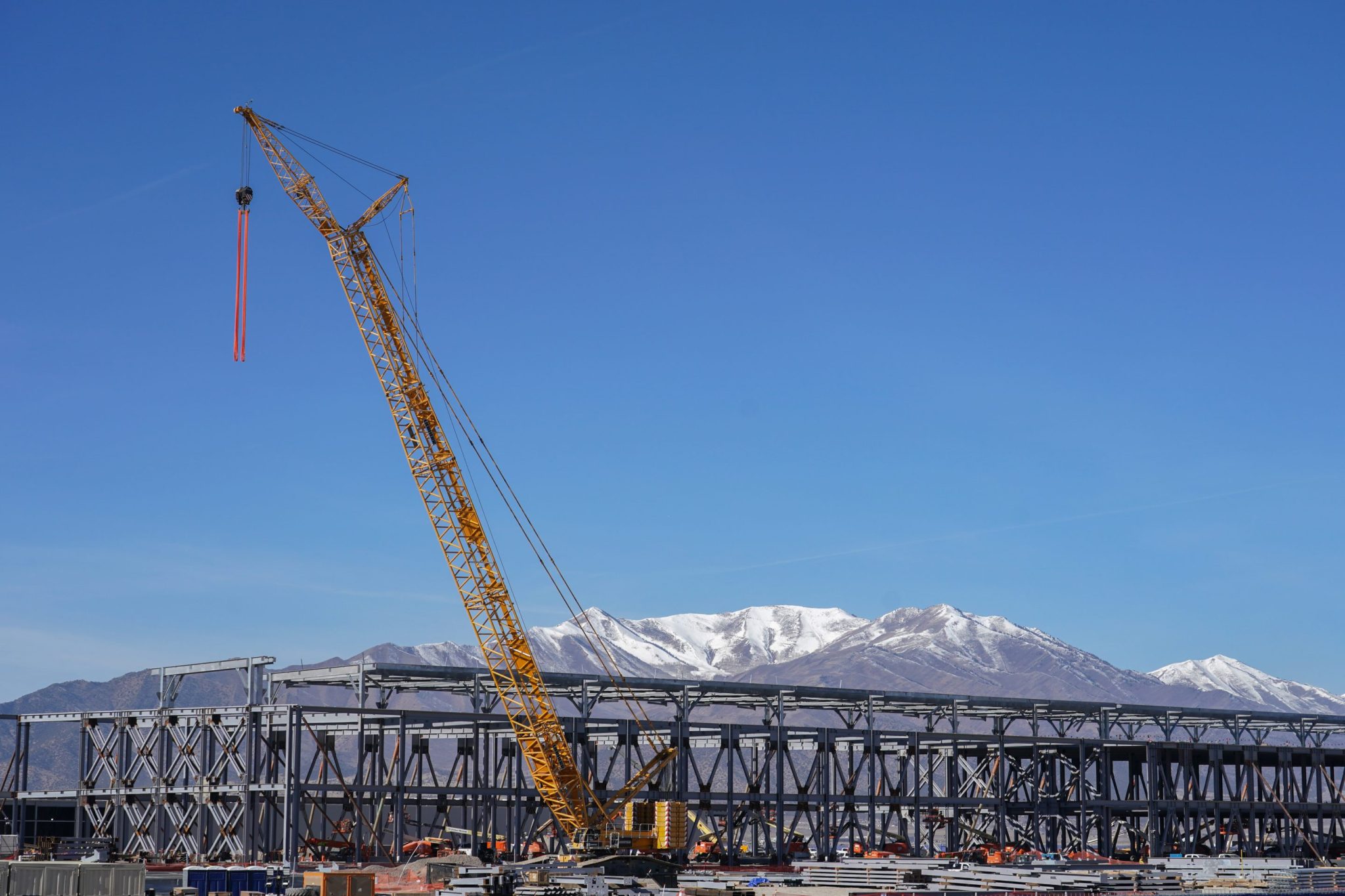
If spending forecasts prove to be overly conservative, then the industry will need even more workers, Basu said. In fact, just days after the ABC report, quarterly reports from AI hyperscalers stunned Wall Street with jaw-dropping capital expenditure forecasts for 2026.
Meta, Microsoft, Amazon, Google and Oracle alone are expected to spend a combined $700 billion this year, up from $400 billion last year. Much of that will go toward AI, including chips and data centers.
While tech giants stoke construction demand, President Donald Trump’s immigration crackdown has largely cut off the flow to a traditional pool of workers for the sector.
That has worsened a labor shortage and forced project delays, according to the Associated General Contractors of America, which said last year that 92% of construction firms that are hiring reported having trouble finding qualified workers.
Meanwhile, AI data center projects are often more lucrative for construction firms, exacerbating shortages for other projects like apartments, factories, and healthcare facilities, Basu told the Washington Post.
ABC calculated that outlays for new data center construction during the first 10 months of 2025 jumped 32% from the same period a year earlier. And since August 2024, nonresidential specialty trade contractors have added 95,000 jobs.
The skilled trades leading the employment surge
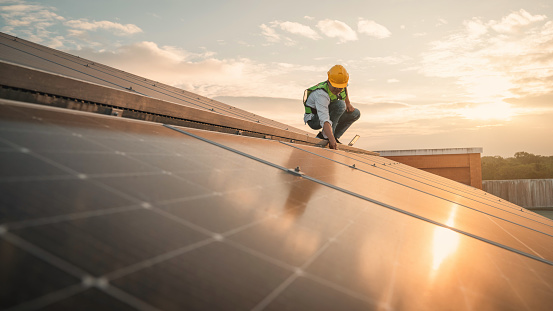
A separate report from BlackRock last month cited Labor Department forecasts that show employment in skilled trades will grow by 5.3% on average from 2024 to 2034 versus the overall rate of 3.1%. Among specific trades, growth will be even faster, with electricians surging 9.5% and HVAC technicians up 8.1%.
The industry’s demographics pose an additional challenge as nearly one-fifth of the construction workforce is over 55. Apprenticeships and licensing require years of training for certain trades, slowing the replacement of retiring workers.
“This means that the crunch time for recruiting and training the skilled workers of the future is now – before that knowledge retires,” BlackRock said. “The additional complexity of AI-related infrastructure makes highly skilled and experienced instructors all the more valuable; the older skew of the workforce makes the timing challenge all the more acute.”
Such forecasts contrast with recent speed bumps in the broader labor market. The share of consumers who think jobs are hard to find is at a five-year high. The number of announced layoffs in January hit the highest since 2009, while job openings in December were the lowest in five years.
But Ford CEO Jim Farley has been sounding the alarm on the massive shortfall in workers for what he calls the “essential economy.” Last year, he estimated a deficit of 600,000 workers in factories and nearly half a million in construction.
Farley also warned the U.S. has overlooked the labor needed to build and sustain data centers and manufacturing facilities.
“I think the intent is there, but there’s nothing to backfill the ambition,” he told Axios in September. “How can we reshore all this stuff if we don’t have people to work there?”