Oil markets are going crazy and one crypto ecosystem has become a go-to destination for speculating on where prices are going next: A blockchain called Hyperliquid saw daily trading volume for a popular oil contract reach a high of nearly $1.7 billion, which is nearly 250 times more volume than the contract saw right before the U.S. and Israel started bombing Iran in late February.
The popularity of Hyperliquid, whose blockchain technology lets traders buy and sell every day around the clock, reflects how the economic impacts of geopolitical conflicts aren’t limited to the 9:30 a.m.-to-4 p.m. weekday hours of stock exchanges.
The crypto industry has long touted blockchain’s capacity for 24/7 trading, as well as a trading innovation known as perpetual futures. But the popularity of Hyperliquid’s oil contracts reflects how the broader financial world is coming to appreciate these advantages.
“So, 24/7 global events are creating demand for 24/7 markets,” said Mary-Catherine Lader, founder and CEO of Native Markets, a startup building its own stablecoin, or cryptocurrency pegged to the U.S. dollar, on Hyperliquid. “There’s been plenty of enthusiasm about blockchain enabling 24/7 markets for years, but now there’s real market demand.”
24/7 trading
Launched in 2023, Hyperliquid is one of the hottest projects in crypto. Jeff Yan, a former crypto trader who went to Harvard, teamed up with a handful of employees to design a decentralized exchange as well as a blockchain that powers the trading platform. They initially optimized Hyperliquid for crypto perpetuals, or “perps,” which are derivatives that let traders bet on the future price of assets without holding the assets themselves.
While the platform grew steadily in its first two years, it soon exploded to challenge the likes of the world’s largest crypto exchange Binance. Over the past year, Hyperliquid’s generated nearly $700 million in revenue, according to data from the crypto analytics site DefiLlama. And it’s expanded its repertoire of what’s tradeable on the platform to spot cryptocurrencies as well as derivatives tied to real-world assets, like oil.
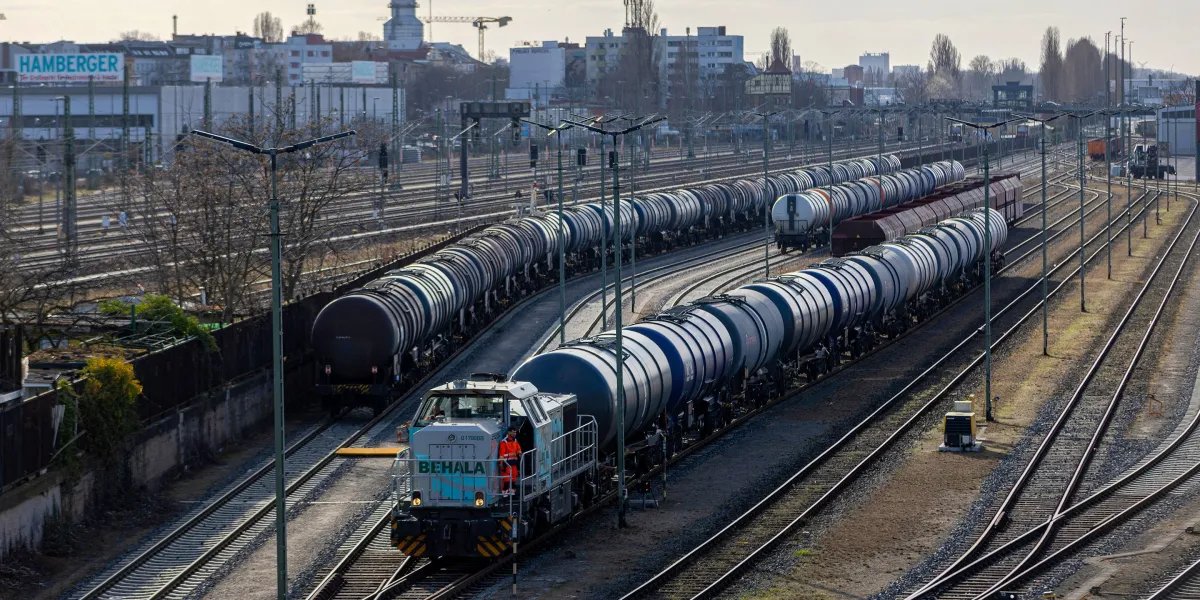
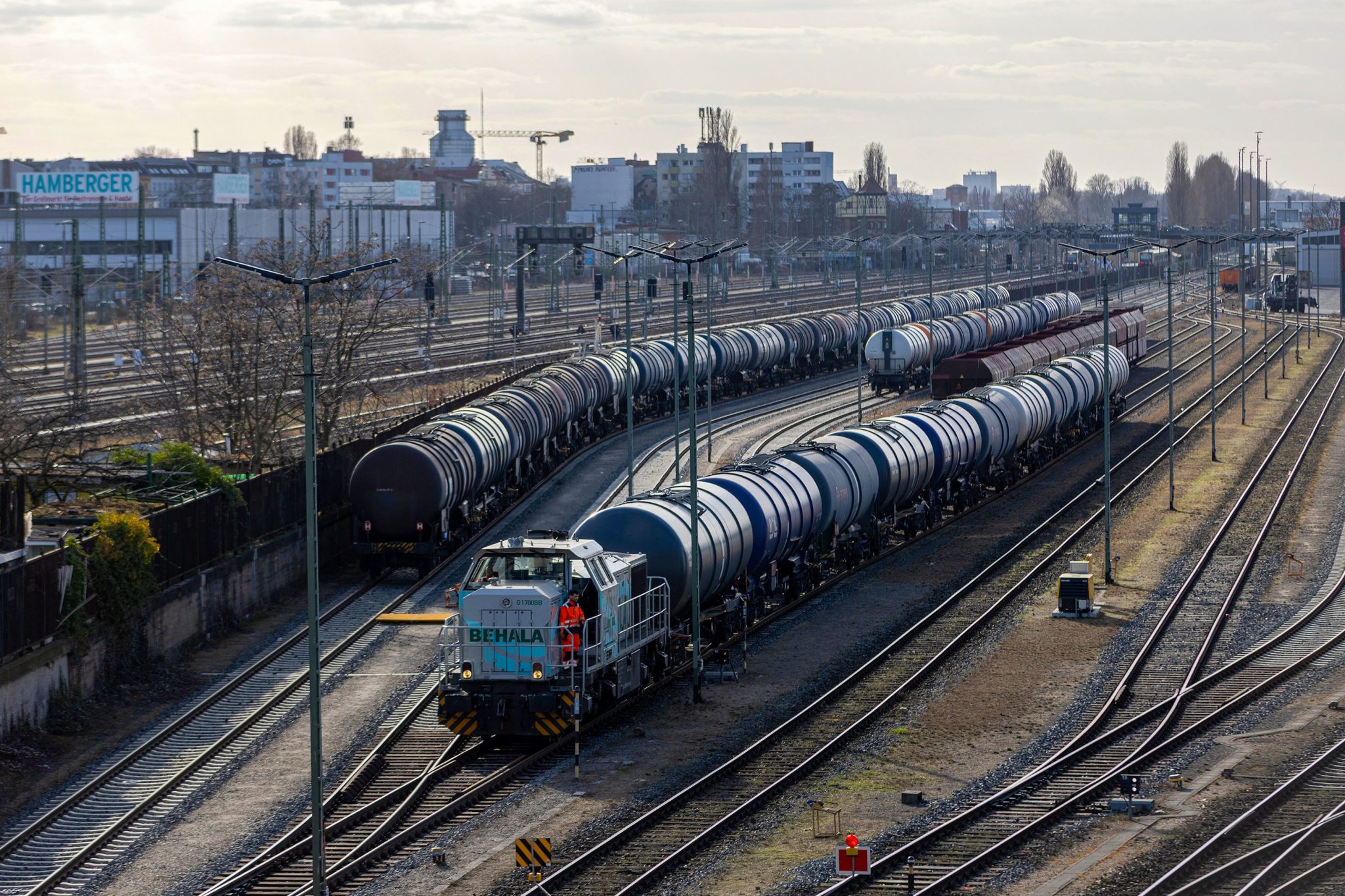
As a commodity, oil derivatives are largely traded on the Chicago Mercantile Exchange. During the ETF boom in the mid-2000s, trading venues like the NASDAQ and New York Stock Exchange listed funds that let a broader array of investors gain exposure to oil prices through exchange traded-funds. But all three venues are closed for the weekends and difficult for retail traders outside the U.S. to access.
Hyperliquid lets traders throughout the world speculate on oil all day, every day—although the platform isn’t available to users in the U.S., and, like many decentralized finance projects, it doesn’t “It’s just making these markets available to more people, 24/7,” said David Schamis, founding partner at the private equity firm Atlas Merchant Capital and the CEO of a public company devoted to stockpiling Hyperliquid’s cryptocurrency HYPE.
Any developer can launch an asset on Hyperliquid. That’s why there are multiple oil contracts on the platform, which are pegged to oil indices like Brent or West Texas Intermediate crude. One of the most popular, launched by the trading platform trade.xyz, has notched daily trading volumes of more than $1 billion every day this week.
How developers price the contracts while the markets are closed, however, is up to the designers of the contracts. Trade.xyz’s derivative tracks the price of one barrel of West Texas Intermediate crude. “That is part of the innovation that’s honestly happening right now,” said Lader, the CEO of Native Markets.