Energy shock meets politics: Trump braces for high fuel prices as Iran pressure ramps up.
Summary:
- Trump flags gasoline prices likely to stay elevated into November midterms
- US announces targeted Hormuz blockade focused on Iranian-linked shipping
- Clarification: transit to non-Iranian ports still allowed
- War-driven energy shock feeds into domestic political pressure
- Opposition questions strategy; approval ratings slide
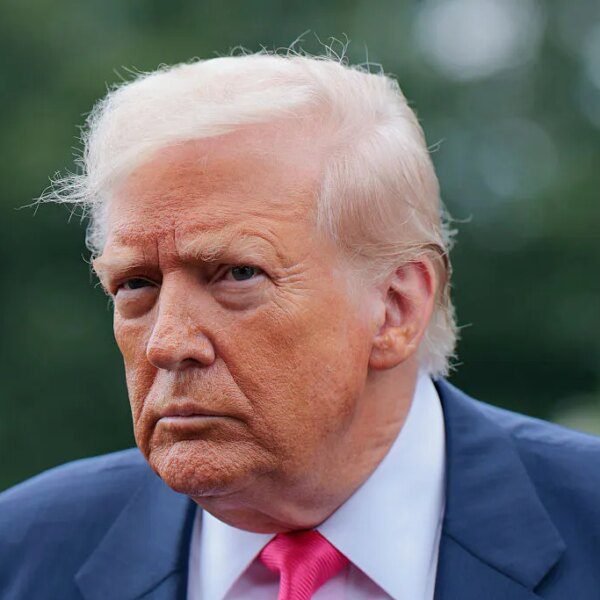
US President Donald Trump acknowledged that elevated oil and gasoline prices may persist through the November midterm elections, highlighting the domestic economic risks stemming from the ongoing war with Iran. Speaking over his weekend golfing in Florida, Trump suggested prices could remain at current levels or edge higher, a notable shift from earlier messaging that framed the spike as temporary.
Fuel costs have already surged, with US gasoline prices holding above $4 per gallon for much of April, well above levels seen earlier this year and through most of the past 12 months. The increase reflects the broader energy shock triggered by escalating tensions in the Middle East and disruptions tied to the Strait of Hormuz.
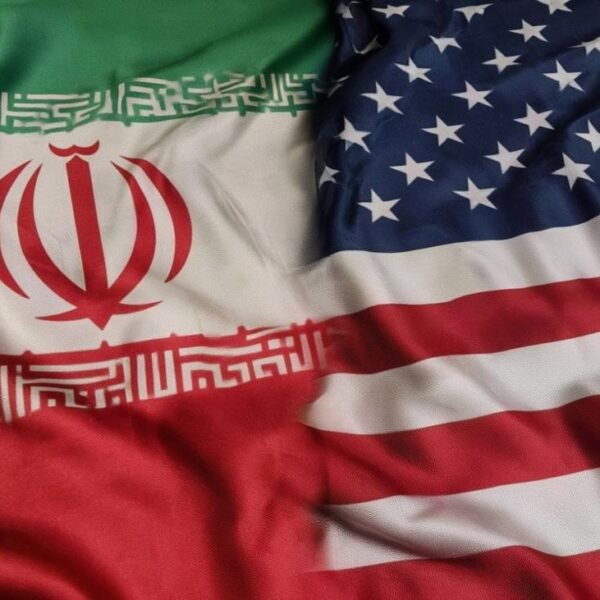
The comments came alongside a major policy escalation. Trump announced that the US Navy would implement a blockade targeting vessels interacting with Iranian ports, warning that ships paying transit fees to Iran would not be granted safe passage. However, US Central Command later clarified that the operation would be limited in scope, focusing on Iranian-linked trade while preserving freedom of navigation for vessels travelling to and from non-Iranian ports through Hormuz.
The move follows the collapse of recent US–Iran talks and represents a shift toward coercive pressure rather than negotiated resolution. Iran responded sharply, warning the blockade could drive US gasoline prices even higher, reinforcing market concerns about prolonged disruption.
Domestically, the war is weighing on Trump’s political standing. Polling suggests declining approval ratings as voters respond to rising fuel costs and the uncertainty surrounding the conflict. Lawmakers, including senior Democrats, have questioned the effectiveness of the blockade strategy, arguing it may not materially alter Iran’s ability to disrupt shipping while risking further escalation.
With the conflict now mid way into its second month, expectations are shifting toward a prolonged standoff rather than a quick resolution.
This reinforces a persistent energy-driven inflation shock. The combination of a targeted blockade and failed diplomacy keeps oil risk premia elevated without a full supply collapse, arguably the most difficult scenario for markets. Crude remains supported, with upside skew on any escalation headlines. For FX, this is USD-supportive via risk aversion, while EUR remains vulnerable given Europe’s energy sensitivity. Rates markets face a renewed inflation vs growth tension, complicating central bank paths. Equities may stay headline-driven, with energy outperforming and broader indices capped by input cost pressure.