Trump warns Iran against charging Hormuz transit fees, as the issue becomes a flashpoint for global energy security and post-war power dynamics.
Summary:
- Trump warns Iran against charging transit fees in the Strait of Hormuz
- Reports suggest some vessels may already be paying significant tolls
- Move challenges long-standing international law on free passage
- Comes amid fragile ceasefire and still-disrupted shipping flows
- Highlights Iran’s growing leverage over a key global oil chokepoint
- Raises risk of renewed escalation if US enforces “open strait” stance
U.S. President Donald Trump has issued a fresh warning to Iran over reports that it may be charging fees to tankers transiting the Strait of Hormuz, escalating tensions around one of the world’s most critical energy chokepoints.
In a post on social media, Trump said that if such fees are being imposed, they must stop immediately, signalling that Washington views any attempt to monetise transit through the strait as unacceptable. His comments come at a highly sensitive moment, with a fragile ceasefire in place and global markets closely watching whether shipping flows normalise.
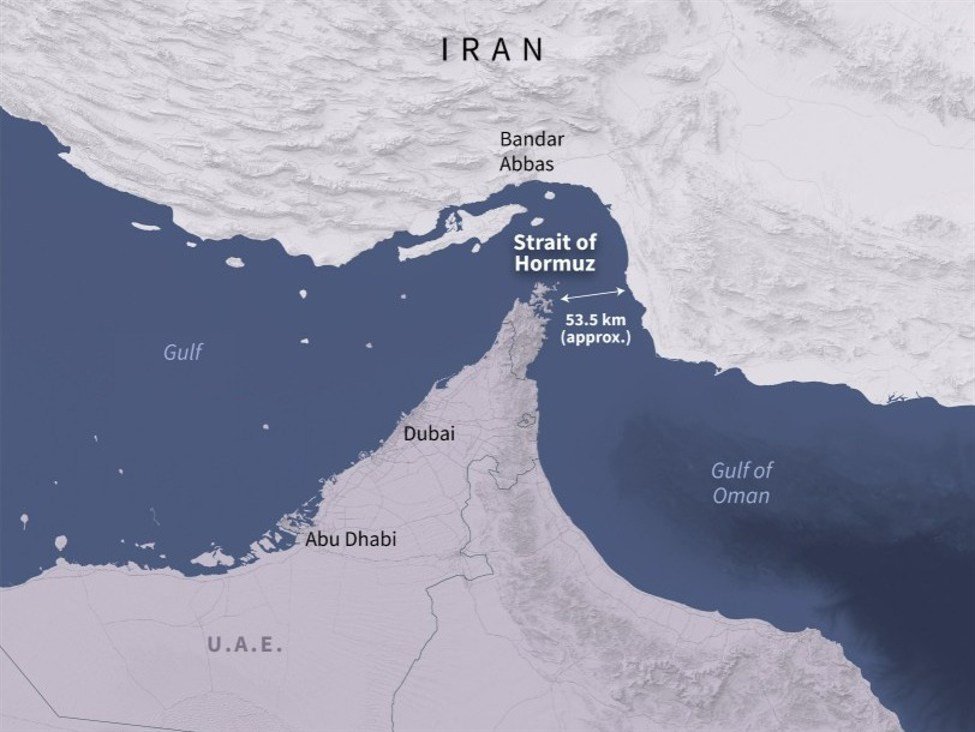
The backdrop to Trump’s warning is a rapidly evolving situation in the Strait of Hormuz, through which roughly 20% of global oil and gas flows. Since the outbreak of the Iran war, shipping activity has been severely disrupted, with hundreds of vessels delayed and insurance costs surging. Even following the ceasefire announcement, traffic remains well below normal levels, underscoring ongoing uncertainty and operational risk.
Reports have emerged suggesting Iran may be attempting to charge significant transit fees, potentially as high as millions of dollars per vessel, or requiring ships to seek approval for passage through designated “safe corridors.” These developments point to a broader shift in how Tehran is leveraging its geographic position, using control of the strait as both a strategic and economic tool.
From a legal standpoint, the move is highly contentious. International maritime law, particularly the UN Convention on the Law of the Sea, guarantees the right of transit passage through key international straits without obstruction or tolls. Global bodies and governments have warned that introducing fees would set a dangerous precedent and undermine the principle of free navigation.
Iran, however, appears to be testing those boundaries. Officials have framed the potential fees as compensation for security provision or as a response to the economic costs of war and sanctions. The strategy also reflects a broader effort to reshape the post-war order in the Gulf, with Iranian policymakers openly discussing a “new regime” for the strait.
For markets, the implications are significant. The issue goes beyond simple transit fees—it strikes at the core of global energy security. Any perception that passage through Hormuz is conditional, restricted, or subject to political leverage risks sustaining elevated oil prices and volatility.
Trump’s intervention underscores the stakes. His message reinforces the U.S. position that the strait must remain open and free, and implicitly signals that any deviation could trigger a renewed escalation in military or diplomatic pressure.