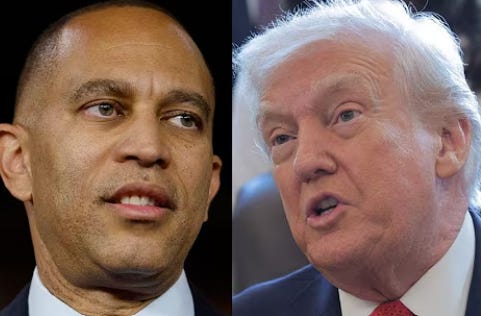
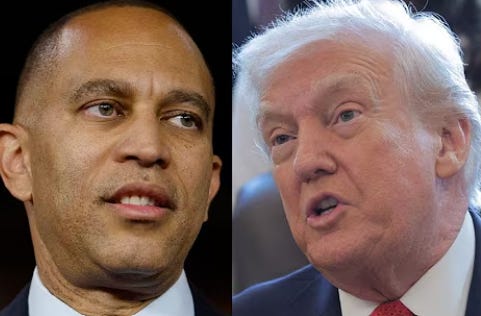
Donald Trump has been worried about the 2026 midterm election since he returned to office. Trump, as a term-limited president, was already operating on borrowed time. In order for Trump to remain relevant, Republicans had to keep control of Congress.
Trump knows what happens to incumbent presidents in midterm elections, which is why he hatched a plan to gerrymander enough House districts to keep Republicans in the majority by pressuring red states to engage in unprecedented mid-decade redistricting to eliminate seats where voters are more likely to support Democrats.
PoliticusUSA is not beholden to any political party or special interest. We are 100% independent. Support us by becoming a subscriber.
The president personally told Texas Republicans to redraw their districts to get Republicans five more seats. Republicans did what they were told, but the problem is that the GOP had already so heavily gerrymandered the state that they are highly unlikely to win all five seats.
What Republicans never anticipated was that Democrats would respond with their own redrawing of districts in blue states. In California, voters overwhelmingly passed a referendum that not only allowed the legislature to redraw the state’s congressional district map, but also strengthened blue-leaning swing districts in the state.
Once Democrats negated the Texas gerrymander, they went on the offensive in blue states, while red states like Ohio, Kansas, and Indiana either declined to gerrymander or drew a map that was not gerrymandered to the max.
The end result is that Trump’s scheme to keep the House is looking likely to have helped Democrats.
Read more below.