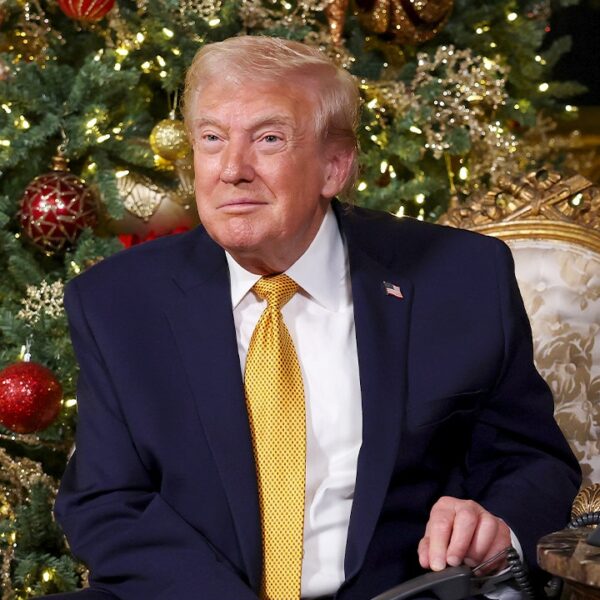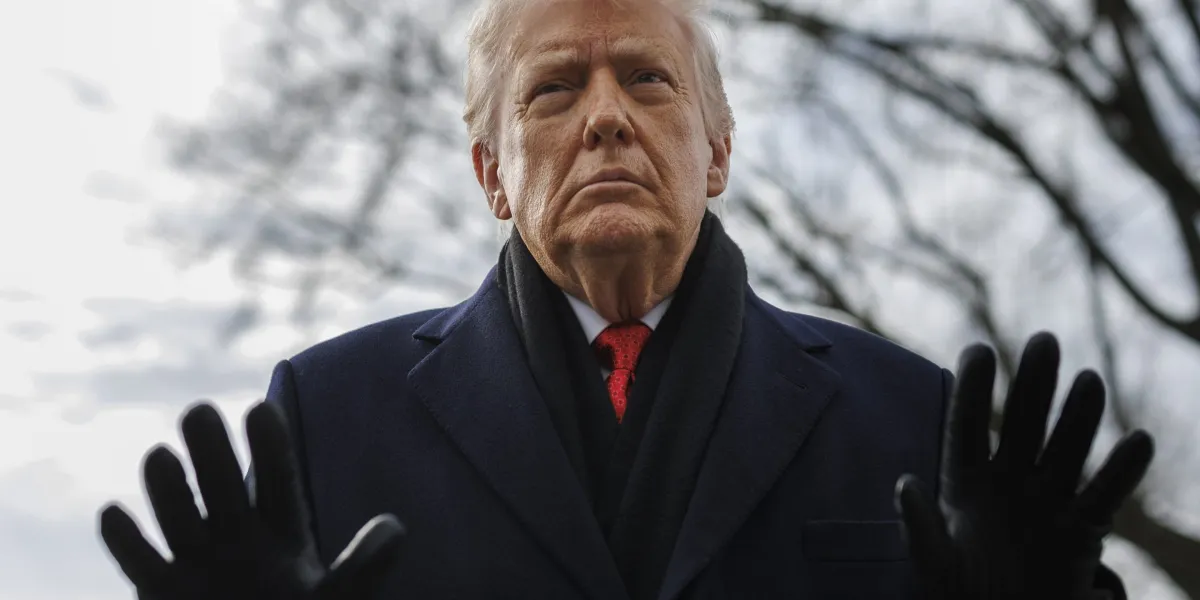
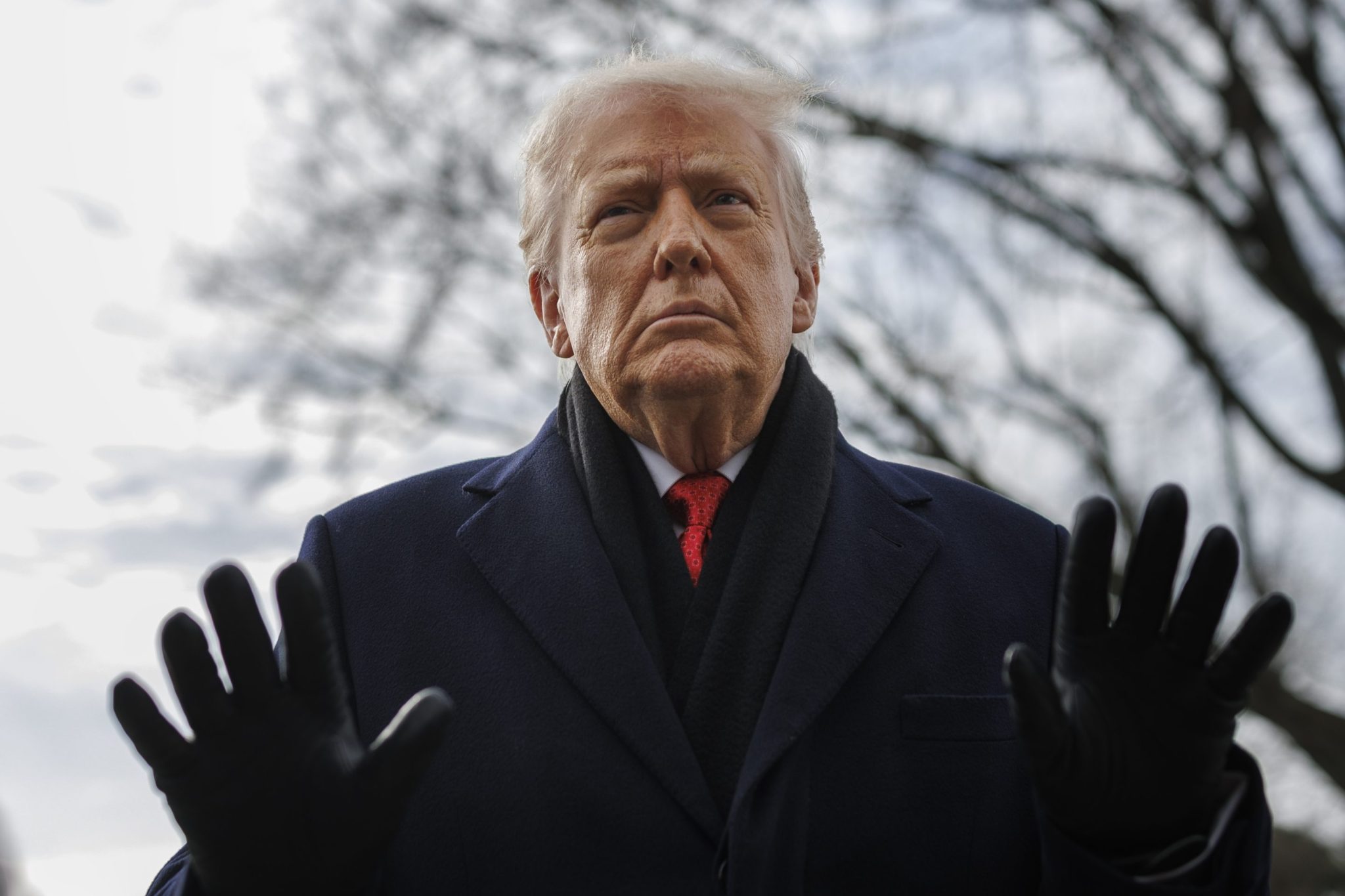
President Donald Trump seems to have found a “solution” to the Greenland crisis following talks with NATO leadership on Wednesday. He said he will back away from the threat to impose 10% tariffs on eight European allies — an announcement that had sparked a mass sell-off on Tuesday — that were set to take effect on Feb. 1.
The reversal came only hours after Trump walked back an earlier threat to use force to secure Greenland during his World Economic Forum speech in Davos, Switzerland.
“We have formed the framework of a future deal with respect to Greenland and, in fact, the entire Arctic Region,” Trump wrote on Truth Social, adding that the plan would be “a great one for the United States of America, and all NATO Nations.” He said the tariffs would be shelved “based upon this understanding.”
The announcement followed a meeting with NATO Secretary General Mark Rutte, who has been seeking to defuse growing tensions between Washington and its European allies as Trump escalated rhetoric over Greenland’s strategic importance. Trump also said on Truth Social that additional discussions were underway concerning what he called the “Golden Dome” initiative related to Greenland, without providing details.
Markets reacted sharply to the apparent de-escalation. The S&P 500 rose 1.5% in afternoon trading, while long-term U.S. Treasury yields fell, signaling investor relief after days of volatility. Despite this pullback potentially confirming yet another instance of the “TACO trade,” or “Trump Always Chickens Out,” major questions remain over the substance of the framework.
Trump has repeatedly said that anything less than controlling all of Greenland is “unacceptable.” It’s unclear, and seems unlikely, that the outline discussed with NATO leadership satisfies that particular condition, given that Denmark reiterated that it would not give up Greenland’s sovereignty after Trump’s speech on Wednesday.
In his Truth Social post, Trump said Vice President JD Vance, Secretary of State Marco Rubio, and Special Envoy Steve Witkoff would lead negotiations going forward and report directly to him.The announcement also comes after the EU suspended trade negotiations with the U.S. and suspended the trade agreement they have had in place since August. CATO scholar Kyle Handley, in a statement provided to Fortune, wrote that the suspension should have never been seen as a “dramatic breakdown,” because “there was never a real deal to begin with.”
“What’s unraveling now was a fragile, politically convenient set of press releases that papered over fundamental disagreements and was always vulnerable to executive-level tariff threats.”