The UAE secretly carried out military strikes on Iran, including hitting a refinery on Lavan Island in April, as part of the broader Gulf conflict, the Wall Street Journal reported.
Summary:
- The UAE conducted covert military strikes on Iran, including an attack on a refinery on Lavan Island in the Persian Gulf in early April, according to the Wall Street Journal
- The Lavan strike sparked a large fire and knocked much of the refinery’s capacity offline for months, per the WSJ
- Iran responded with a barrage of missiles and drones against the UAE and Kuwait, and has targeted the UAE with more than 2,800 missiles and drones throughout the conflict, according to the report
- The US was not opposed to the UAE strikes, with Washington quietly welcoming Gulf state participation in the campaign, per people familiar with the matter cited by the WSJ
- The UAE backed UN resolutions authorising force to reopen the Strait of Hormuz and took additional steps against Iran’s financial interests, including closing Iranian-linked institutions in Dubai and restricting visas for Iranian nationals, according to the report
The United Arab Emirates secretly carried out military strikes against Iran during the Gulf conflict, including an attack on a key oil refinery, according to a report by the Wall Street Journal, marking a significant escalation in the role played by Gulf Arab states in the war.
The strikes, which Abu Dhabi has not publicly acknowledged, included an attack on Iran’s Lavan Island refinery in the Persian Gulf in early April, timed roughly with the announcement of a ceasefire following a five-week air campaign. The strike caused a large fire and took much of the facility’s processing capacity offline for months. Iran attributed the attack to enemy action at the time and launched a retaliatory barrage of missiles and drones against the UAE and Kuwait in response.
Washington was not troubled by the UAE action, with the US quietly welcoming involvement from Gulf states willing to participate in the campaign. The White House declined to address questions about the UAE’s role directly but reiterated that President Trump retains all options in the region.
The UAE’s willingness to strike Iran directly reflects a fundamental shift in how Abu Dhabi views the threat posed by Tehran. Iran targeted the UAE with more than 2,800 missiles and drones during the conflict, more than any other country including Israel, hammering the country’s air traffic, tourism and property markets and prompting widespread layoffs and furloughs. Officials in the Gulf have said the attacks have reshaped the UAE’s strategic outlook, with Iran now viewed as a rogue actor directly threatening the country’s economic and social model.
The UAE is equipped with a capable air force, including French Mirage fighters and advanced F-16 jets supported by refuelling aircraft, airborne command systems and surveillance drones. Publicly available imagery circulated in mid-March appeared to show aircraft not belonging to Israel or the US operating over Iran, fuelling speculation about Emirati involvement. Researchers tracking open-source material later pointed to images purportedly showing Mirage fighters and Chinese-made Wing Loong drones in action.
Beyond military action, the UAE moved against Iran’s financial interests by closing Iranian-linked schools and clubs in Dubai and restricting visas and transit rights for Iranian nationals, steps that cut into an economic lifeline that had allowed Iran to circumvent Western sanctions. Abu Dhabi also backed UN resolutions authorising the use of force to reopen the Strait of Hormuz, signalling it is prepared to escalate further to protect regional shipping lanes.
Analysts say Tehran’s strategy of drawing Gulf Arab states into the conflict has deepened political divisions within the region, even as it has hardened the UAE’s alignment with the United States and Israel.
—
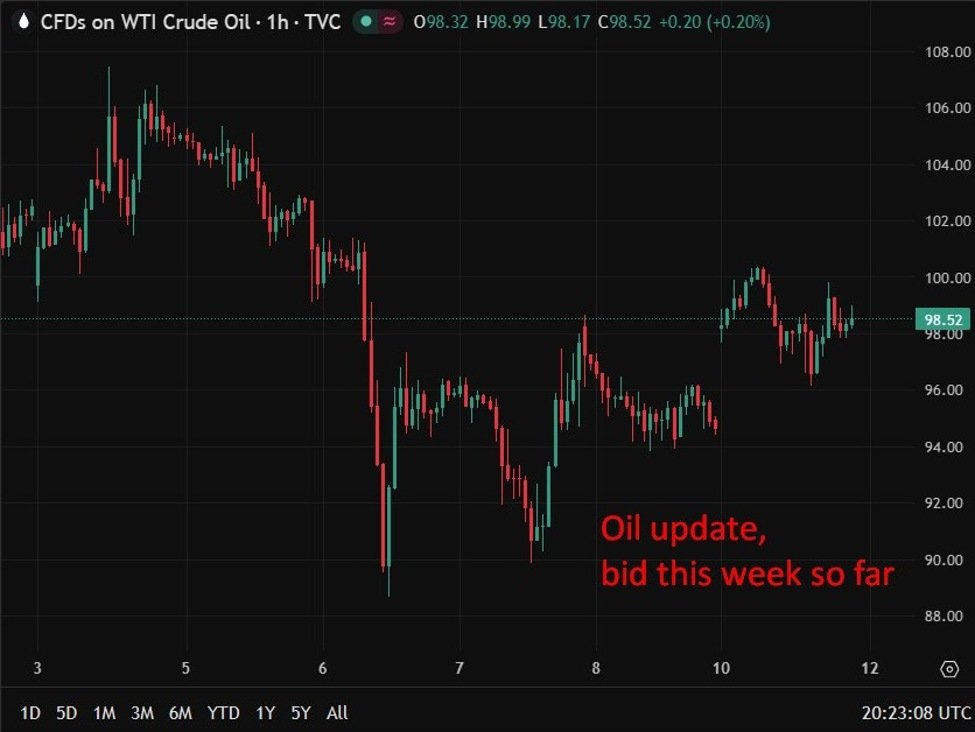
The confirmation of UAE strikes on Iranian energy infrastructure raises the risk premium on Persian Gulf supply significantly. Lavan Island is a key node in Iran’s oil export and processing network, and further targeting of similar facilities could disrupt regional flows. Markets will also weigh the risk of Iranian retaliation against UAE energy and trade infrastructure, given the scale of missile and drone attacks already sustained. The UAE’s decision to back UN resolutions authorising force to reopen the Strait of Hormuz signals it is prepared to escalate further if Iranian chokepoints on shipping are not lifted.