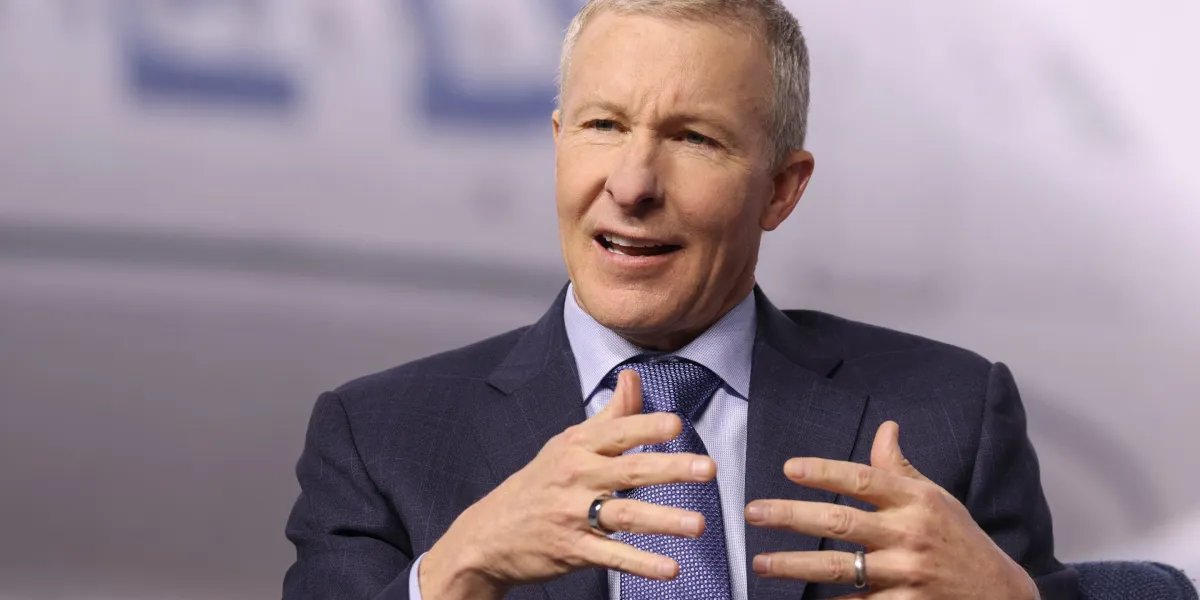
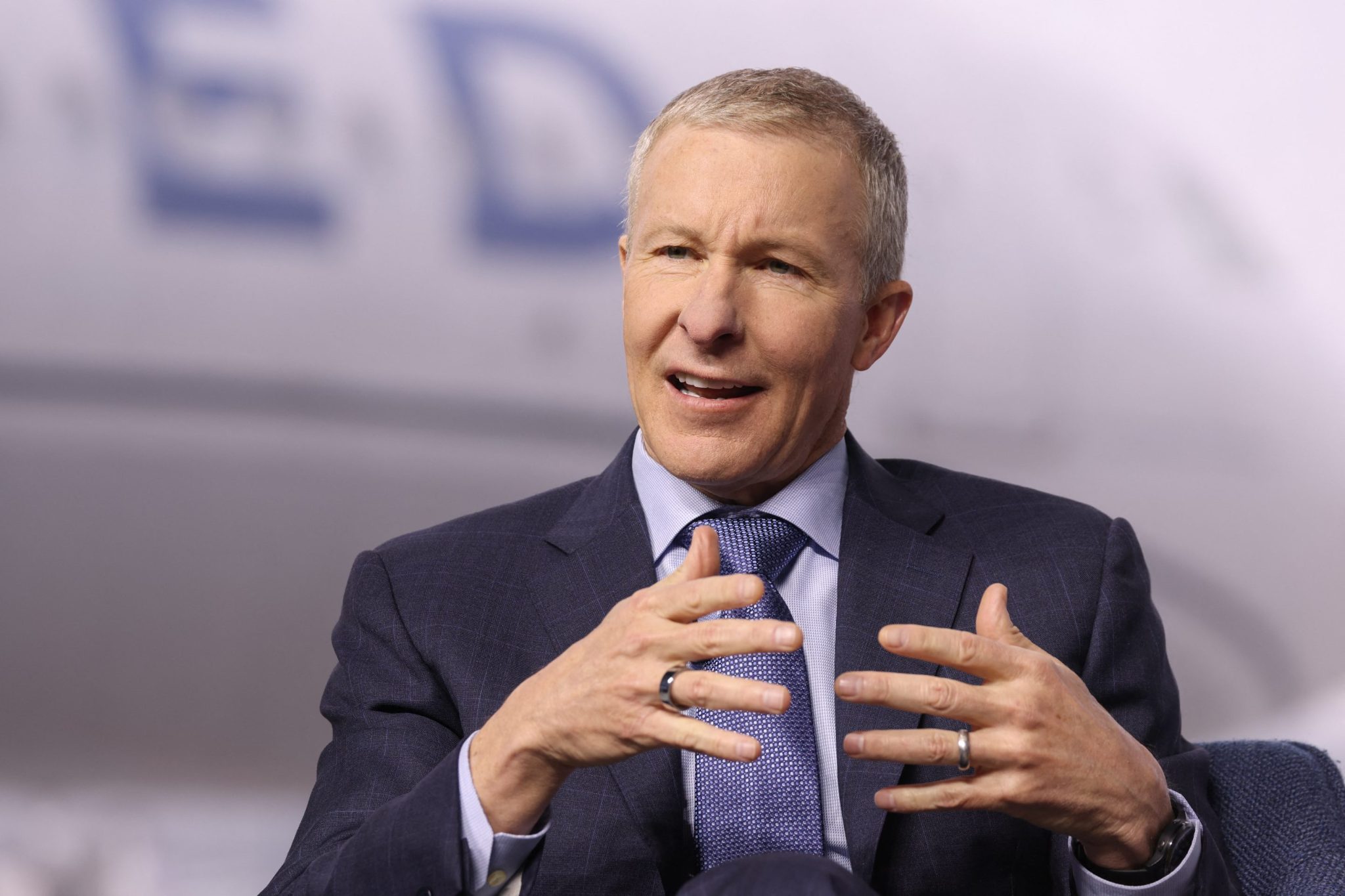
“A thing I do that people have thought is weird is that, throughout my whole career, when I’m in the office, I’ll close the door and take a 20-minute nap,” Kirby recently said in an interview with McKinsey and Company.
“When I first got to United, people were, like, ‘Oh my God, where do you take a nap?’ I said, ‘I lay on the floor,’” he continued. “They said, ‘We’ve got to get a couch in here!’ They were all stressed out.”
Kirby’s habit may come as a surprise, but the leader says taking a break keeps him fueled to run the $30.1 billion airline giant.
“If I take a 20-minute nap, I’ve accomplished more than anything else I would have accomplished in that time,” the CEO explained. “When you’re tired, your brain is not 100 percent. If you’re not 100 percent, you shouldn’t be making decisions.”
And he’s stuck by his routine break throughout his entire career—from serving as the president of U.S. Airways and American Airlines for years, to his current six-year CEO stint at United. And research shows the U.S. Air Force Academy alum may have picked up on a leadership hack; a “power nap” of 30 minutes or less has been found to boost alertness and mood, improve mental clarity, and fight off fatigue, according to a 2024 study from Harvard Medical School.
United Airlines’ CEO caps his meetings at four hours a day to think and read
In helming one of the world’s biggest airline groups, Kirby has also laid some ground rules to avoid burnout. The United Airlines leader has one boundary on his packed calendar: “no more than four hours of meetings a day.”
Instead of constantly sitting in on long-winded conversations, Kirby said he’d much rather use the time to think or call others. He described his workday as “pretty unstructured,” but makes an effort to be as efficient with limited hours in the day—which also frees up the opportunity to invest in his intellectual pursuits.
“Some important things are, one, having time to think instead of sitting in meetings you don’t need to be in,” Kirby told McKinsey. “And two, you need to be a genuinely curious person, reading about a very wide variety of subjects.”
Under his personal operating model, Kirby carves out reading sessions every day. And by picking up a book and squaring away tedious meetings, it could lead to better ideas for the business, he explained.
“I read about three hours a day, on average,” the CEO continued. “And you just never know when the things that you’ve read are going to click together.”
The leaders who have their own boundaries: no meetings or emails
Just like Kirby, the CEO of Berlin-based tax app Taxfix, Martin Ott, isn’t willing to waste work hours on duties that don’t make much impact.
The executive, who also led as Facebook’s managing director for Northern and Central Europe operations in 2012, picked up a few lessons working under Mark Zuckerberg. In those early days of Meta’s evolution, Ott learned to pour all of his time into what matters most—and that doesn’t include inessential meetings.
“One of the things I’m also passing on is, there’s only so many hours in a day,” Ott told Fortune last year. “Ask yourself, what is the real one thing you could do today to really have an impact, make a difference? Ask yourself, do you need to be in that meeting or not?”
Other CEOs have taken a more direct approach to the time-suck of meetings. Fellow airline leader Bob Jordan, the chief executive of Southwest Airlines, set a new rule in place for 2026: his calendar will stay completely clear every Wednesday, Thursday, and Friday afternoon. No meetings are allowed—he’s protecting his time to “think about what’s important right now.”
“When you first start, it’s easy to confuse busyness and going to meetings with leadership,” Jordan said at the New York Times DealBook Summit in December 2025. “Because what we all find, I’m sure, is there’s no time to ‘work,’ and you confuse going to meetings with the work.”
Airbnb CEO Brian Chesky is preserving his time by setting boundaries around both meetings and emails—two daily menial tasks begrudged by workers everywhere. Instead of suffering through the pesky tasks, the short-term rental leader prefers to text and call rather than email: the one thing about his job he “hated the most” pre-pandemic. Chesky has also pushed morning meetings back to at least 10 a.m.
“Don’t apologize for how you want to run your company,” Chesky told theWall Street Journal in 2025. “When you’re CEO…you can decide when the first meeting of the day is.”