US-Iran backchannel diplomacy intensifies, but prospects for a deal remain limited.
Summary:
- US engaging Iran via intermediaries including Pakistan
- Vance leading backchannel efforts tied to Hormuz reopening
- Iran confirms message receipt but denies direct negotiations
- US intelligence sees low willingness from Iran to engage
- Ceasefire discussions remain early-stage and highly uncertain
The United States is intensifying backchannel diplomatic efforts with Iran, using intermediaries including Pakistan to relay messages, as Washington explores a potential ceasefire framework tied to reopening the Strait of Hormuz.
US Vice President JD Vance has been at the centre of these efforts, engaging regional mediators as recently as this week to communicate US positions and test the scope for de-escalation. The discussions are understood to focus on reducing fighting in the Gulf and restoring shipping flows through Hormuz, a critical artery for global energy markets.
Iran has acknowledged receiving messages through intermediaries, including Pakistan, but has reiterated that no direct negotiations with the United States are taking place, according to Iranian state media. The stance highlights the continued gap between private diplomatic exchanges and public positioning, with Tehran maintaining a hardline posture domestically while remaining engaged indirectly.
At the same time, US intelligence assessments suggest that Iran is not currently prepared to enter substantive negotiations to end the conflict, underscoring the limited progress made so far. The divergence between diplomatic outreach and intelligence expectations points to a prolonged and uncertain negotiation path.
Washington’s approach appears to combine pressure with diplomacy, signalling openness to a ceasefire arrangement while warning that further escalation remains on the table if talks fail to gain traction. The strategy reflects an effort to stabilise the situation without conceding leverage, particularly given the broader geopolitical and energy market implications.
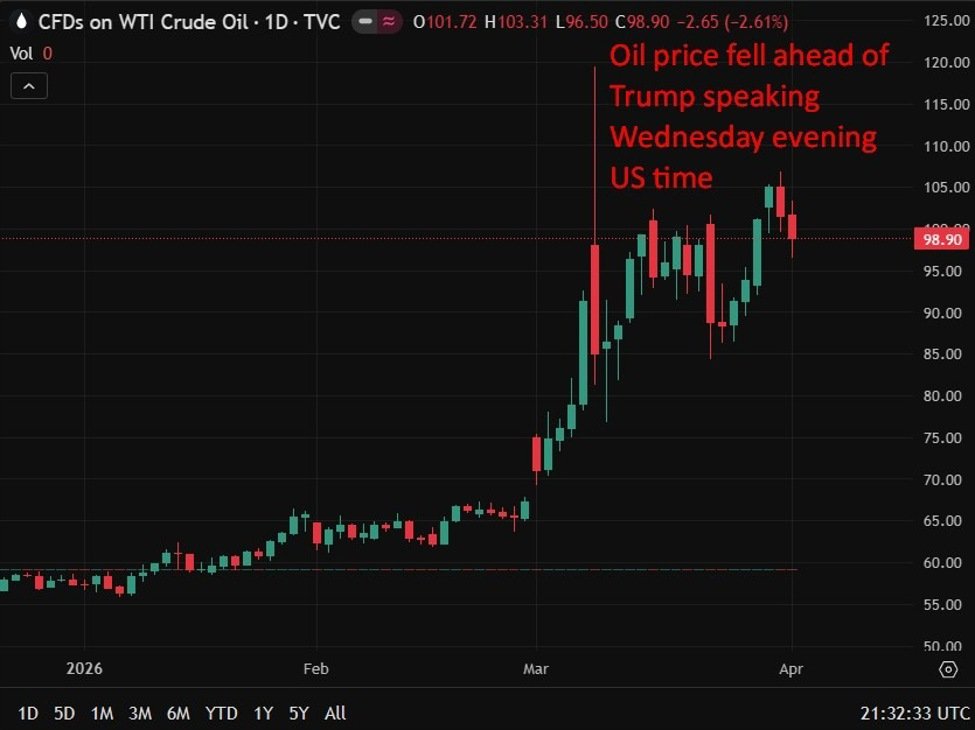
For markets, the key linkage remains the Strait of Hormuz. Any credible ceasefire that enables a sustained reopening would likely reduce the geopolitical risk premium embedded in oil prices, while continued uncertainty or failure in talks risks renewed supply disruptions and heightened volatility across energy and broader asset markets.
With messaging inconsistent and both sides maintaining strategic ambiguity, the situation remains fluid. For now, the diplomatic track is active but fragile, with no clear indication that a breakthrough is imminent.