US oil industry warns Hormuz toll plan risks global shipping cost surge and precedent.
Summary:
- US oil industry pushing back on Hormuz toll proposal
- Lobbying White House, State Department, VP Vance
- Estimated cost: ~$2.5mn per shipment
- Would significantly raise transport and insurance costs
- Major concern over global precedent
- Risk other chokepoints adopt similar toll systems
- Challenges long-standing freedom of navigation norms
- Adds to already fragile oil logistics backdrop
- Potential inflationary and trade cost implications
U.S. oil industry players are pushing back strongly against a proposal that would allow Iran to impose tolls on ships transiting the Strait of Hormuz, warning it could upend global energy trade norms and introduce significant new costs.
According to reporting, a senior oil executive said the industry is actively lobbying the White House, State Department and Vice President JD Vance, describing the proposal in blunt terms and questioning the rationale behind allowing such a framework to proceed.
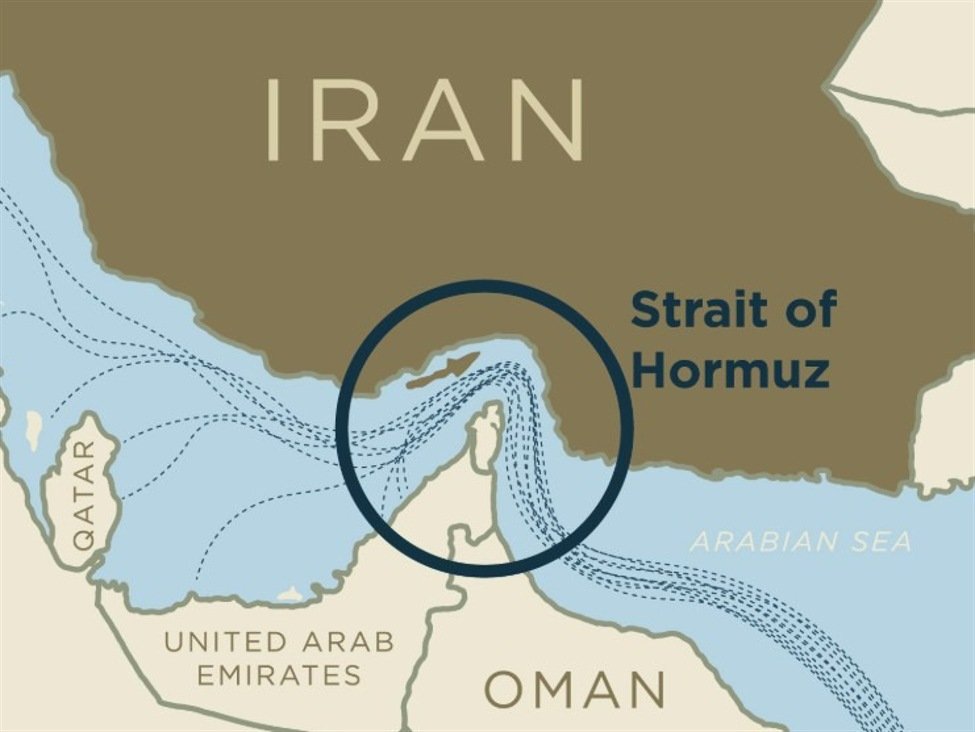
Industry representatives estimate that tolls and associated insurance costs could add roughly $2.5 million per shipment, materially increasing the cost of moving crude through one of the world’s most critical energy chokepoints. The Strait of Hormuz handles a significant share of global oil flows, meaning even incremental cost increases can ripple quickly through pricing and supply chains.
Beyond the immediate financial burden, the industry’s primary concern appears to centre on precedent. Executives warn that allowing Iran to charge for transit could encourage other countries controlling strategic waterways to follow suit, including potential toll regimes in the Strait of Malacca and Turkey’s Bosporus. Such a shift would mark a major departure from longstanding norms around freedom of navigation in key maritime corridors.
The issue comes at a sensitive moment for energy markets, where geopolitical risk premia remain elevated despite tentative ceasefire developments. While headline prices have reacted to signs of de-escalation, the underlying structure of global oil logistics remains fragile, with shipping routes, insurance costs and physical availability all under pressure.
If implemented, a tolling system could further entrench those stresses, effectively acting as a quasi-tax on global energy flows. That raises broader questions not just for oil markets, but for inflation dynamics and trade costs more widely, particularly if similar measures were adopted across multiple chokepoints.