The U.S. dollar is moving lower at the start of the North American session after early-session gains were fully erased. As U.S. traders entered, the tone shifted decisively, with downward pressure on yields helping to weigh on the greenback. The 10-year Treasury yield is lower by 3.3 basis points at 4.131%, a notable pullback considering that just yesterday it briefly pushed above 4.20% ahead of the FOMC decision.
Falling yields continue to be a key driver behind the dollar’s retreat as fixed-income markets reassess the Fed’s path into 2026.
The Federal Reserve delivered the widely expected 25 bp rate cut, but the vote revealed deeper divisions within the committee:
-
9 members supported the 25 bp cut
-
1 member voted for a more aggressive 50 bp cut
-
2 members — Goolsbee and Schmid — preferred no change
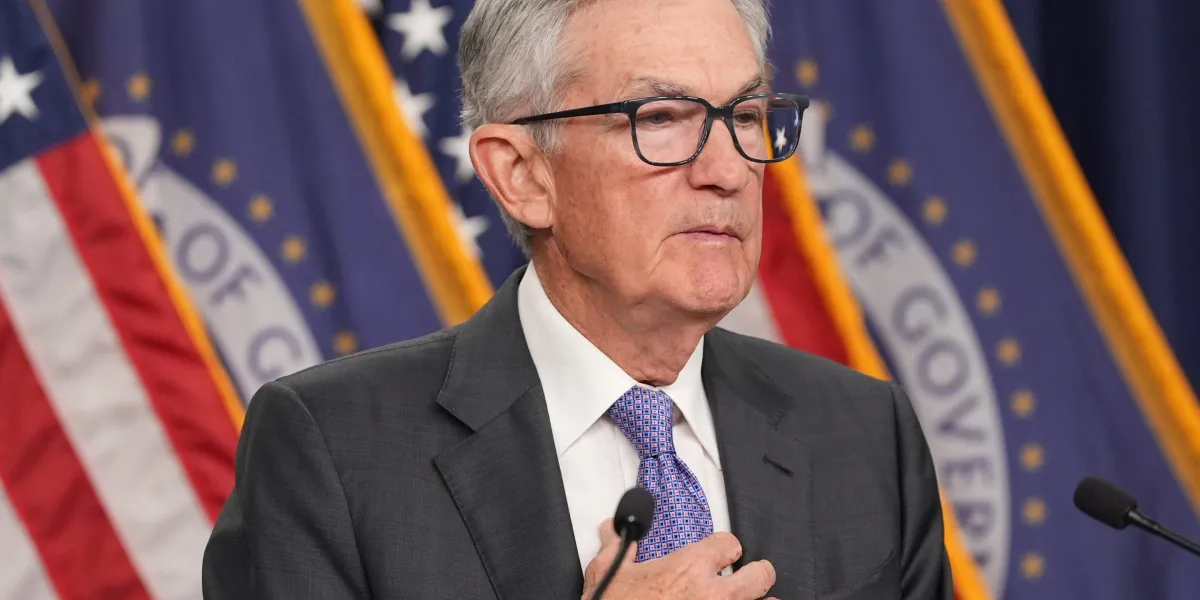
Chair Powell emphasized that policy is now “in a good place” and approaching neutral, a characterization that helped push yields sharply lower after the announcement. Powell said inflation remains above target, but argued that without the tariff effects, inflation would already be at 2%.
He described tariffs as a “one-time impact”, implying inflation will fall as long as tariffs don’t increase further.
Markets quickly leaned into the dovish interpretation, and rate-cut probabilities for June 2026 have surged above 80%, especially as the incoming Fed chair has signaled support for a lower-rate environment.
Importantly, all 12 voting members — including regional presidents — hold equal decision-making power, underscoring that the policy shift is being shaped by a broader committee, not just the Chair’s influence.
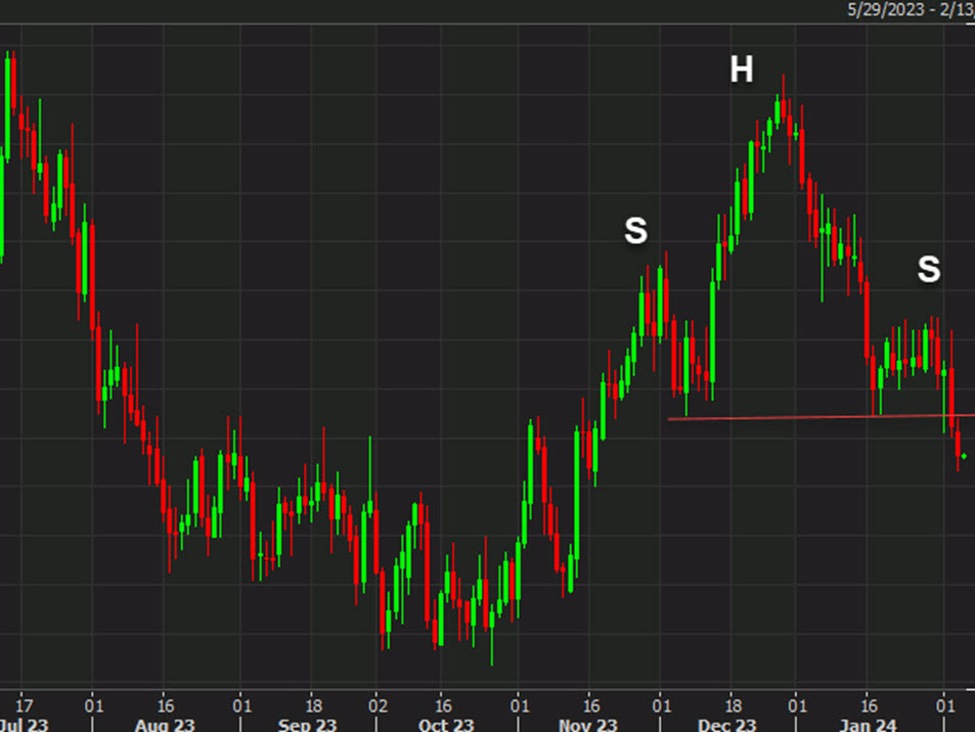
In the accompanying video, I walk through the major USD pairs — EURUSD, USDJPY, and GBPUSD — detailing:
-
Key bias levels that define directional preference
-
Risk parameters traders should monitor as intraday catalysts
-
Upside and downside target zones based on recent swing structures and moving-average dynamics
These technical frameworks help traders shape their roadmap for the North American session, especially as volatility increases around shifting yield expectations.
U.S. stocks finished solidly higher following the Fed announcement:
The initial relief rally is now being tested by renewed concerns in the AI sector following Oracle’s earnings.
Oracle reported EPS of $2.26, easily beating the $1.64 estimate, but revenue missed slightly at $16.06B vs. $16.19B expected. The real impact came from guidance and spending:
Why the Market Reacted Bearishly
-
Oracle slumped 13% premarket after issuing weaker-than-expected forward guidance.
-
Capex surged to a record $12B last quarter (vs. $8.4B expected).
-
Full-year capex guidance was boosted sharply from $35B to $50B.
While aggressive capex has historically benefited Nvidia and other chipmakers by supporting AI-infrastructure demand, investors now fear the spending curve may be unsustainable. Compounding concerns, Oracle indicated it plans to secure chip supply from Nvidia competitors, an added blow to sentiment.
AI-Related Stocks Under Pressure
The reaction has reignited broader AI-bubble fears and is weighing on the major indices.
Futures Ahead of the Open
-
Dow: +13.25 points
-
S&P 500: –20.68 points
-
NASDAQ: –126 points
Treasury Yields — Early North American Levels
-
2-year: 3.532% (–3.3 bps)
-
5-year: 3.709% (–4.5 bps)
-
10-year: 4.133% (–3.3 bps)
-
30-year: 4.778% (–1.7 bps)
The curve is seeing a broad softening in yields, reinforcing the dollar’s bearish tone.
-
Crude Oil: –$0.66 at $57.80
-
Gold: –$20 at $4207
-
Silver: +$0.47 at $62.18 and on pace for another record
-
Bitcoin: –$2,000 at $90,020
Silver remains the standout, continuing its record-setting streak.
At 8:30 AM ET, the U.S. will release weekly initial jobless claims:
Markets will be watching closely for normalization after last week’s surprise drop