Investment in consumer tech startups has been in a downturn since 2022, as a turbulent macroeconomic climate and rising inflation have made VCs skittish about consumer spending power. For the past couple of years, most AI investment has focused on winning over enterprise customers, who provide fat checks, multi-year contracts, and quick paths to scale.
But one VC sees the consumer sector gearing up for a comeback in 2026.
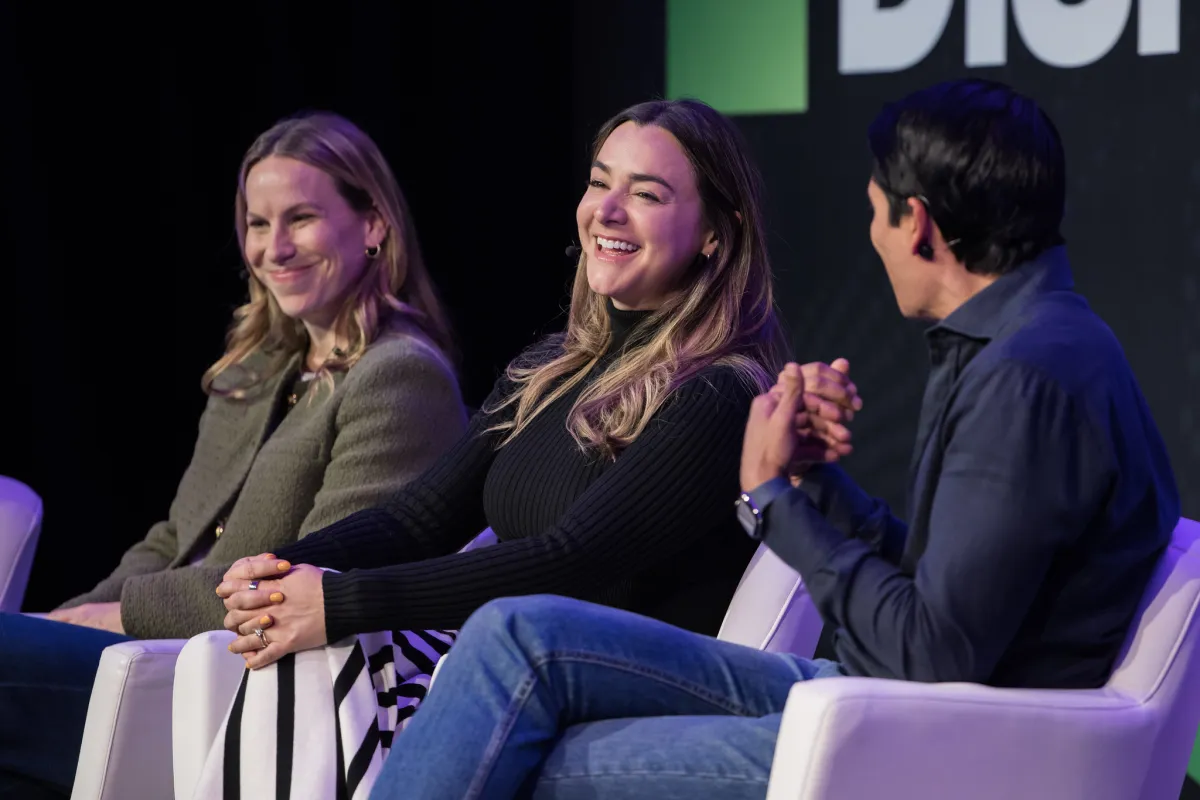
“This is gonna be the year of the consumer,” said Vanessa Larco, partner at the venture firm Premise and a former partner at NEA, on this week’s episode of the Equity podcast.
Larco says that even though enterprises have big budgets and a frantic desire to implement AI solutions, adoption often stalls because “they don’t know where to start,” Larco says.
“The fun thing about consumer and prosumer…is that people already have in mind what they want to use it for,” Larco continued. “And so they purchase it, and if it meets the need, they just keep using it.”
In other words, adoption is quicker, and startups building AI products don’t have to guess whether they’ve actually achieved product-market fit or have just won a contract.
“If you’re selling to consumers, you’ll know very quickly if it’s fitting a need or not, and you’ll know quickly whether you need to pivot or make some changes to your product or totally scrap it and start something totally different,” Larco said.
Techcrunch event
San Francisco
|
October 13-15, 2026
And in today’s anxiety-inducing economy, consumer tech products that manage to scale demonstrate an especially strong product-market fit.
There are early indications that consumer tech is having a moment. Late last year, OpenAI launched apps in ChatGPT, allowing users to shop with the Target app, scour the housing market with Zillow, book trips with Expedia, or make a Spotify playlist, all through the ChatGPT chatbot experience.
“AI is gonna feel like concierge-like services, which will do everything for you that you have in mind,” Larco said. “The question is, which of it should be specialized, and which should be general purpose?”
Or put differently, as OpenAI works to make ChatGPT the new operating system of the consumer internet, which legacy companies – like Tripadvisor or WebMD – will continue to exist in their own right, and which will get eaten by OpenAI?
While Larco does think 2026 is going to be a “gangbuster” year for M&A, she’s interested in investing in startups that “OpenAI isn’t going to want to kill.”
“OpenAI doesn’t manage real-world assets,” she said. “I don’t think they’ll build an Airbnb competitor because I don’t think they’re gonna want to manage homes…I don’t think they’re going to build any of these marketplaces that require real humans because they don’t want to manage the humans.”
Aside from which startups can fill the gaps, Larco is watching out for what happens if OpenAI “decides to pull an Apple or Android where they take a 30% cut of all the traffic they send you.”
“Is Airbnb gonna want to play ball with that?” she asked.
Overall, Larco predicts new monetization strategies and fresh business models will emerge from the evolved consumer experience online.
‘Social has to change’
While doomscrolling on Instagram about Trump’s capture of Venezuelan leader Nicolás Maduro, Larco noticed something. She had come to the platform to get news on the escalating crisis, but instead she was overwhelmingly flooded with AI-generated Maduro slop.
While deepfakes have been steadily becoming mainstream on social media, this was one of the first major news events where AI-generated slop muddied the waters of the truth.
“At that point, I was like, if I’m just gonna be watching AI-generated videos and photos, I want it to be funny,” she said.
Larco says she has been inundated with enough realistic-looking AI videos on social media that she just assumes it’s all AI at this point, and she’s not alone. If we all start to assume that nothing we see on Meta’s platforms or TikTok is real anymore, the question will be, where do you get the real stuff?
Larco says others might fill in the gaps of where to find truthful, non-AI content as platforms like Reddit and Digg make moves to verify humanity. But for Meta? Maybe it just becomes an entertainment company, a platform for user-generated short films.
“I think we should move on from getting your news from [Meta],” Larco said. “You are just getting funny videos from there. It’s not social media. It’s just gaming and entertainment media.”
‘Some things are better with voice than a screen’

When Meta acquired AI agent startup Manus last week, many saw it as an enterprise play. Larco thinks it could be a move geared at improving Meta’s Ray-Ban smart glasses, a product the VC is a huge fan of because they allow her to answer phone calls, respond to messages, take photos and videos, and ask Meta AI questions, all without having to pull out her phone and navigate a screen.
Larco says she thinks truly useful voice AI assistants are finally “on the cusp of happening,” fueled by more advanced tech and more robust compute.
“Some things are better with voice than a screen,” she said. “And because voice sucked, we needed the screen as a crutch. But I would love to start separating out what things are really better on a screen and what things are just better with audio.”
Getting answers to questions her kids ask about what the tallest building is? Definitely voice. Taking out her phone to type in the question now feels “archaic,” Larco said.
“I think it’ll be really fun for designers because they finally get to pick and choose what form factor is better for what use cases,” she said.