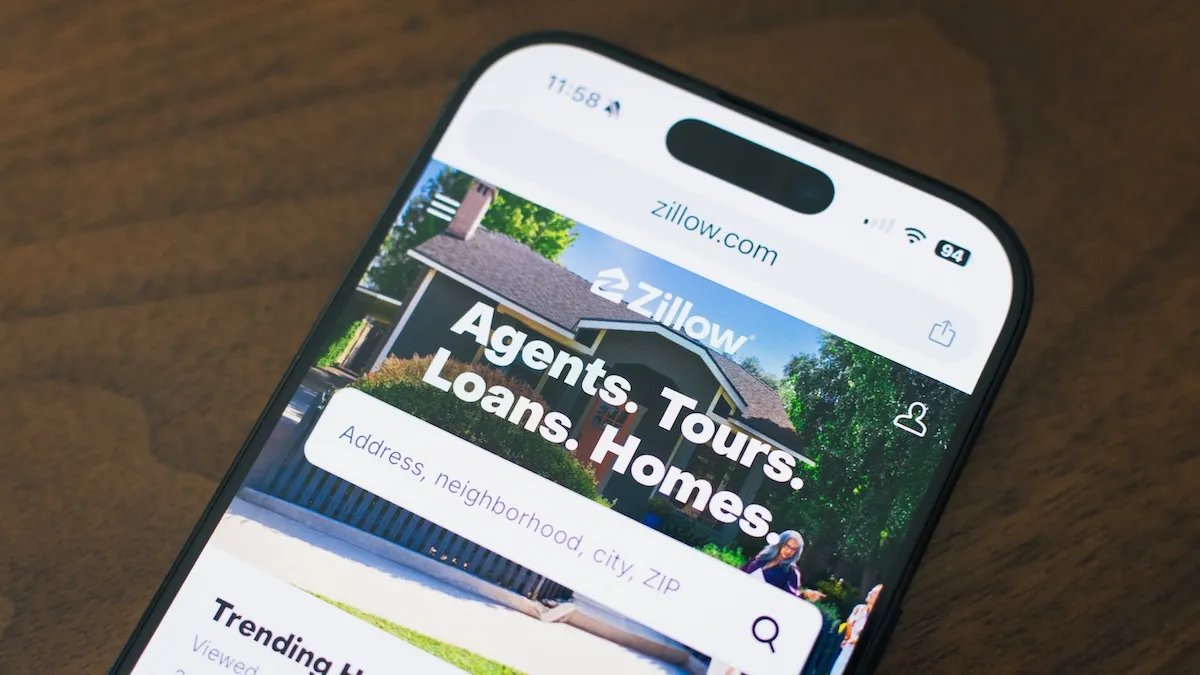
Zillow and Redfin have reached a settlement with the Federal Trade Commission (FTC) and five states, ending a legal fight over a 2025 partnership that the FTC claimed hurt competition in the rental-listing market. The settlement was announced on Monday, just as the case was scheduled to head toward trial this morning.
The case stems from a deal announced last year in which Redfin agreed to display Zillow’s rental listings on its websites rather than compete directly with Zillow for rental advertisers. The arrangement could have kept Redfin out of the rental advertising business for as long as nine years. Redfin owns Rent.com and ApartmentGuide.com, two major rental-listing platforms.
According to the FTC and attorneys general from Arizona, Connecticut, New York, Virginia, and Washington, Zillow agreed to pay Redfin $100 million to keep Redfin from competing with Zillow.
The companies defended the partnership as a way to give renters access to a larger pool of listings. The FTC, however, argued that Zillow was paying one of its largest competitors to stop competing, potentially allowing the company to charge higher prices and provide less favorable terms to property managers. It could have also reduced the quality of rental listings available to consumers.
Under the proposed settlement, Redfin will be required to reenter the rental advertising business. The order also removes restrictions that previously limited Redfin’s ability to compete independently for property-management customers.
The settlement doesn’t completely end the relationship between the two companies. Redfin can continue displaying Zillow’s rental listings, but it will once again be able to compete for its own customers. Redfin will be able to sell advertising, display listings from its own clients, and pursue new rental customers without being required to share sensitive business information with Zillow.
The Zillow-Redfin case comes just months after the DOJ’s settlement with Ticketmaster, another antitrust case involving allegations that a dominant company used its power to suppress competition. However, 26 of the 30 state attorneys general who initially sued Live Nation alongside the DOJ chose to continue pursuing the case and won their lawsuit in April.
When you purchase through links in our articles, we may earn a small commission. This doesn’t affect our editorial independence.