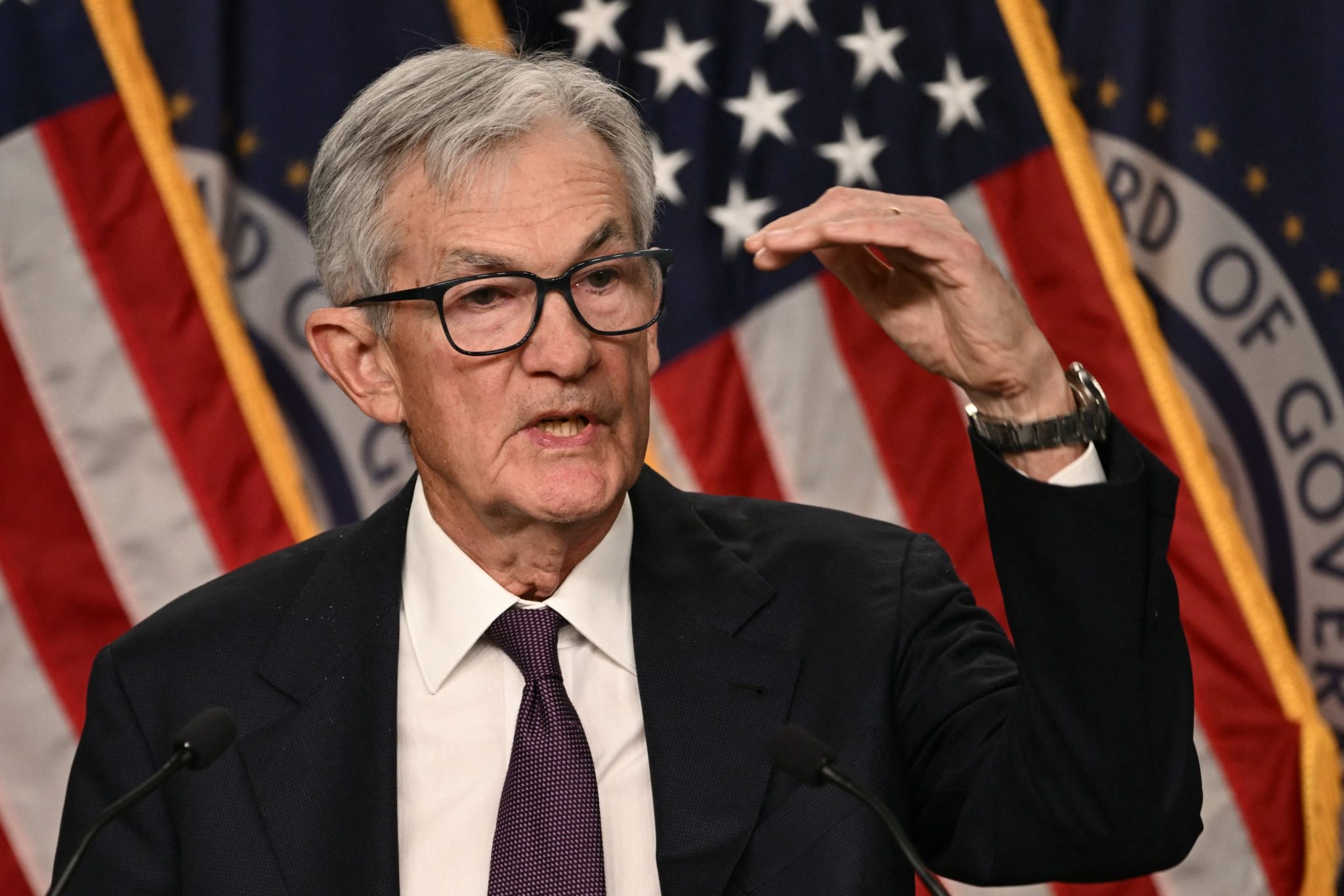
Fed Chair Jerome Powell acknowledged Wednesday that the AI-fueled data center boom is contributing to inflation, pushing back on the popular argument that the productivity gains from artificial intelligence should be bringing prices down already.
“In the short term, what’s happening is we’re building data centers everywhere, and that’s actually putting pressure on all kinds of goods and services that go into building these things,” Powell said at a press conference following the Fed’s decision to hold interest rates steady. “So that’s actually probably pushing inflation up.”
The comments came in response to a question about whether the Fed’s own long-run growth estimates—which officials revised up from 1.8% to 2%—reflected optimism about AI-driven productivity, and whether that should translate into lower inflation and lower rates.
Powell wasn’t buying the logic, at least not yet. He said AI likely raises the neutral interest rate in the near term rather than lowering it, because the demand side—the massive physical buildout required to power AI—is running ahead of any productivity payoff.
“In the near term, you’re not looking at something that would immediately call for lower rates, or that would be lowering inflation,” he said. The disinflationary benefits of AI, he suggested, remain theoretical for now.
His remarks might serve as vindication to the Americans feeling the squeeze from the data center boom. Goldman Sachs warned last month that consumer electricity prices could jump 6% from 2026 to 2027, driven in part by the strain data centers are placing on the power grid. Utilities requested a record $31 billion in rate increases in 2025—more than double the prior year—and lower-income households are bearing a disproportionate share of those costs.
A separate report from Wood Mackenzie this week found that data center development is actually slowing, not because demand has cooled but because it’s so high that the grid can’t keep up. Only a third of projects in the pipeline are under active development, and many may never get built.
Powell noted that the Fed has been watching “meaningfully higher productivity” for several years now and said he expects it to continue, despite his surprise: “I never thought I’d see this many years of really high productivity,” he said.
“We haven’t really started to see the effects of generative AI,” he said. “And that should certainly contribute. But it’s an empirical question — is demand growing faster or slower than the supply side?” He tacked on the four-word-phrase that he’d repeat over a dozen times in the press conference: “We just don’t know.”