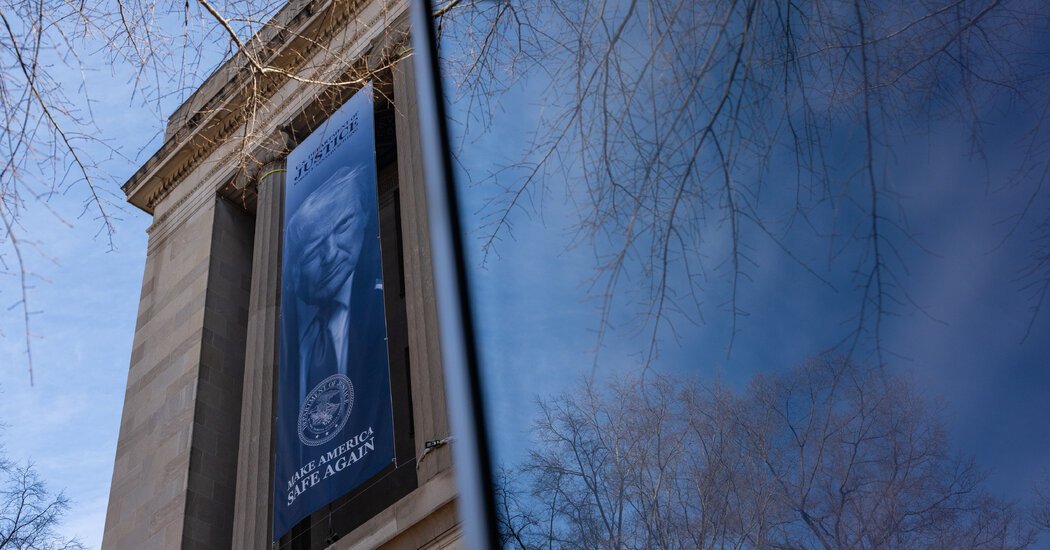
The Justice Department charged the Southern Poverty Law Center, a civil rights group that has long tracked hate groups, on Tuesday with financial crimes, accusing it of defrauding donors by using their money to secretly pay informants inside extremist organizations.
At a news conference announcing the charges, Todd Blanche, the acting attorney general, said that from 2014 to 2023, the group made payments totaling more than $3 million to people who were affiliated with extremist organizations like the Ku Klux Klan and the National Socialist Party of America. The law center, he added, was “doing the exact opposite of what it told its donors it was doing — not dismantling extremism, but funding it.”
The indictment, however, offers little to support the notion that the group’s payment to informants was meant to aid the extremist groups they had infiltrated..
Prosecutors describe how one informant, which the law center refers to as a field source, “was a member of the online leadership chat group that planned the 2017 ‘Unite the Right’ event in Charlottesville, Virginia, and attended the event at the direction of the S.P.L.C.”
That rally included torch-wielding marchers chanting antisemitic slogans, and violent clashes that culminated with one participant ramming his car into a group of counterprotesters, killing a woman and leaving at least 19 others injured.
The informant “made racist postings under the supervision of the S.P.L.C. and helped coordinate transportation to the event for several attendees,” the charging document said. Between 2015 and 2023, the informant received more than $270,000 from the group, the indictment said.
Another informant affiliated with a neo-Nazi group was paid more than $1 million over a period of about nine years, according to the indictment, and in 2014 that informant stole 25 boxes of documents from an unidentified violent extremist group. The Southern Poverty Law Center later used those documents to create a report about the group.
The center faces charges of wire fraud, false statements to a bank, and conspiracy to commit money laundering. No individuals were charged in the indictment, though Mr. Blanche said the investigation was continuing. He accused the group of “manufacturing racism to justify its existence.”
The Southern Poverty Law Center was formed in 1971 in Alabama and is best known for investigating groups like the Ku Klux Klan and other white supremacy organizations. In recent years, Republicans have accused the group of unfairly targeting conservative and Christian organizations, labeling them as extremists.
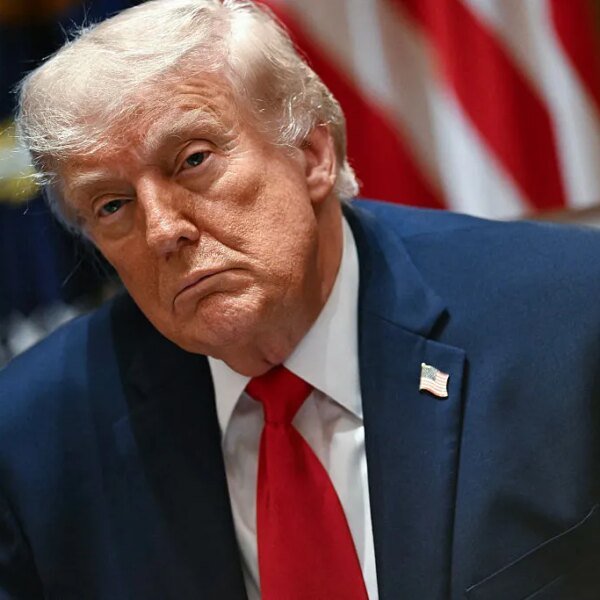
The criminal charges come as the Trump administration makes a broader push to counter what it calls anti-Christian and anti-conservative bias in the government. Last week, the Justice Department issued a report highly critical of how the Biden administration prosecuted anti-abortion activists under a law meant to safeguard access to abortion providers and church services.
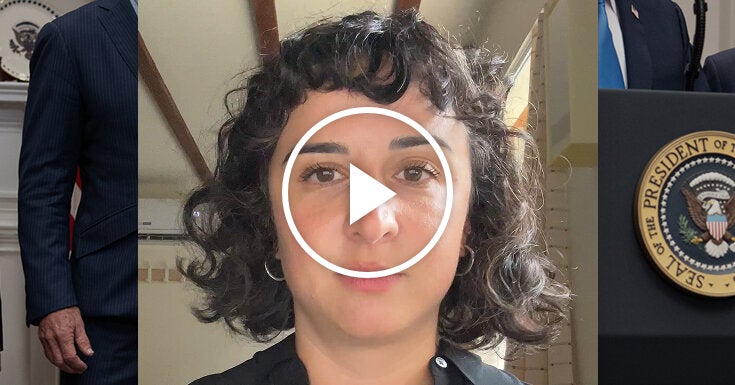
Bryan Fair, the group’s interim chief executive, expressed outrage over what he called the “false allegations.” The indictment, he said, “will not shake our resolve to fight for justice and ensure the promise of the civil rights movement becomes a reality for all.”
In a video statement issued before the charges were filed, Mr. Fair argued that the Southern Poverty Law Center was being targeted for political reasons, saying the Trump administration had “made no secret of who they want to protect and who they want to destroy.”
Mr. Blanche denied the case was rooted in partisanship, saying, “There is nothing political about this indictment.”
In his video statement, Mr. Fair said that the group no longer worked with paid informants but added that those informants had “risked their lives to infiltrate and inform on the activities of our nation’s most radical and violent extremist groups.” That work, he insisted, saved lives.
The center had for many years provided information and tips to local law enforcement and the F.B.I.
Conservative criticism of the Southern Poverty Law Center intensified after the assassination of the right-wing activist Charlie Kirk in September at a public speaking event in Utah. A 2024 report from the center included a description of Mr. Kirk’s group, Turning Point USA, which called the group a “case study of the hard right.”
In October, the F.B.I. director, Kash Patel, announced that the bureau was severing its ties with the group. He said the organization “long ago abandoned civil rights work and turned into a partisan smear machine.” He singled out their use of a “hate map” displaying what it described as anti-government and hate groups, saying the map unfairly targeted “mainstream Americans.” Around the same time, Mr. Patel also cut his agency’s ties with the Anti-Defamation League, a group that fights antisemitism.
Mr. Blanche said the Southern Poverty Law Center did not tell the F.B.I. about its use of informants, or the use of shell companies to disguise that the informants were receiving payments from the group.
At the news conference, Mr. Patel answered questions about a defamation suit he filed on Monday against The Atlantic over a recent article that claimed his job was in jeopardy over what it described as excessive drinking.
“I have never been intoxicated on the job,” Mr. Patel said. Mr. Blanche also came to his defense, disputing that he had fielded concerns about Mr. Patel’s alleged drinking, as the article stated. The Atlantic has said it stands by its reporting.