Steve Kerr’s new New Yorker interview sounds a lot less like a man eager to lecture Americans and a lot more like a man trying to clean up a mess he’s spent years making. Throughout his coaching career in Golden State, Kerr has taken every opening to preach left-wing politics.
Suddenly, though, the Warriors coach sounds like someone who is trying to move more toward the middle. Or at least sound that way.
New Yorker staff writer Charles Bethea had a lengthy, and revealing, sit-down with Kerr. It’s not revealing because Bethea is an objective journalist who desired to seek truth. Quite the opposite, in fact.
Bethea doesn’t even try to hide his own left-wing bias. He opens the piece with a glowing affection toward Kerr before making his position on the longtime NBA coach crystal clear. He writes that Kerr has been “refreshingly outspoken” throughout his career. Does anyone think Bethea would describe a conservative coach or athlete as “refreshingly outspoken”? Of course not.
But the writer took it a step further, calling Kerr’s 2022 Uvalde comments “informed and impassioned advocacy.” It’s always “informed and impassioned advocacy” when the writer agrees. If he disagrees, then it’s “dangerous misinformation” or “bigotry” or some other word-of-the-day from the progressive rhetoric dictionary.
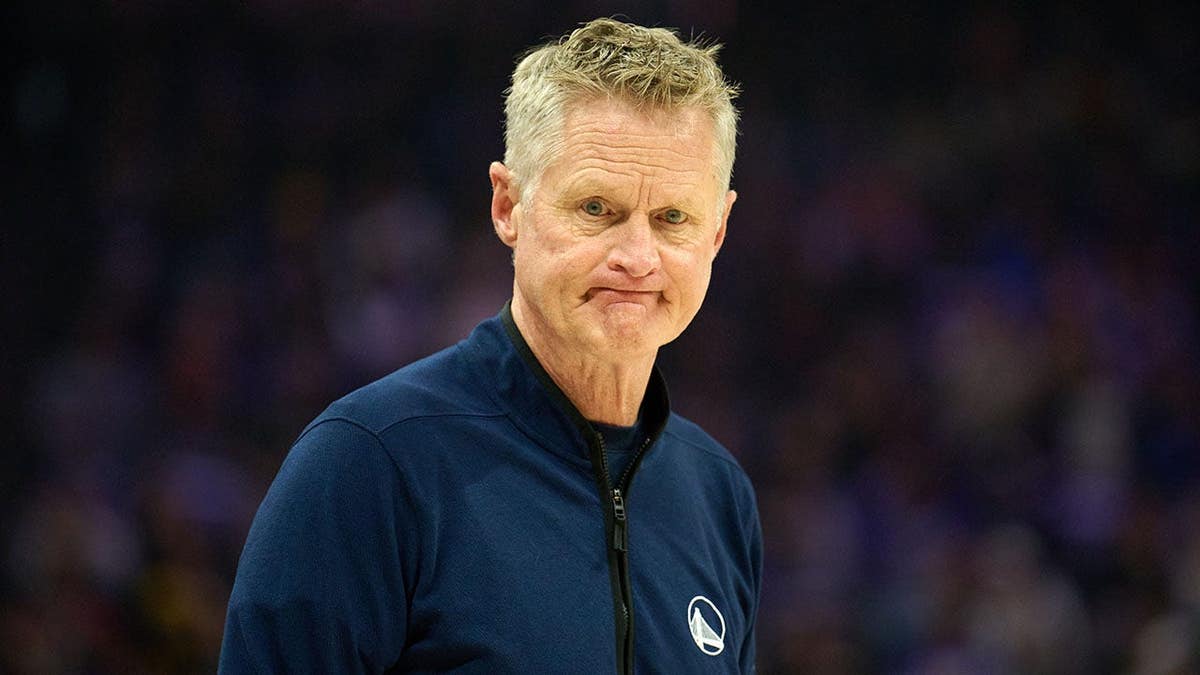
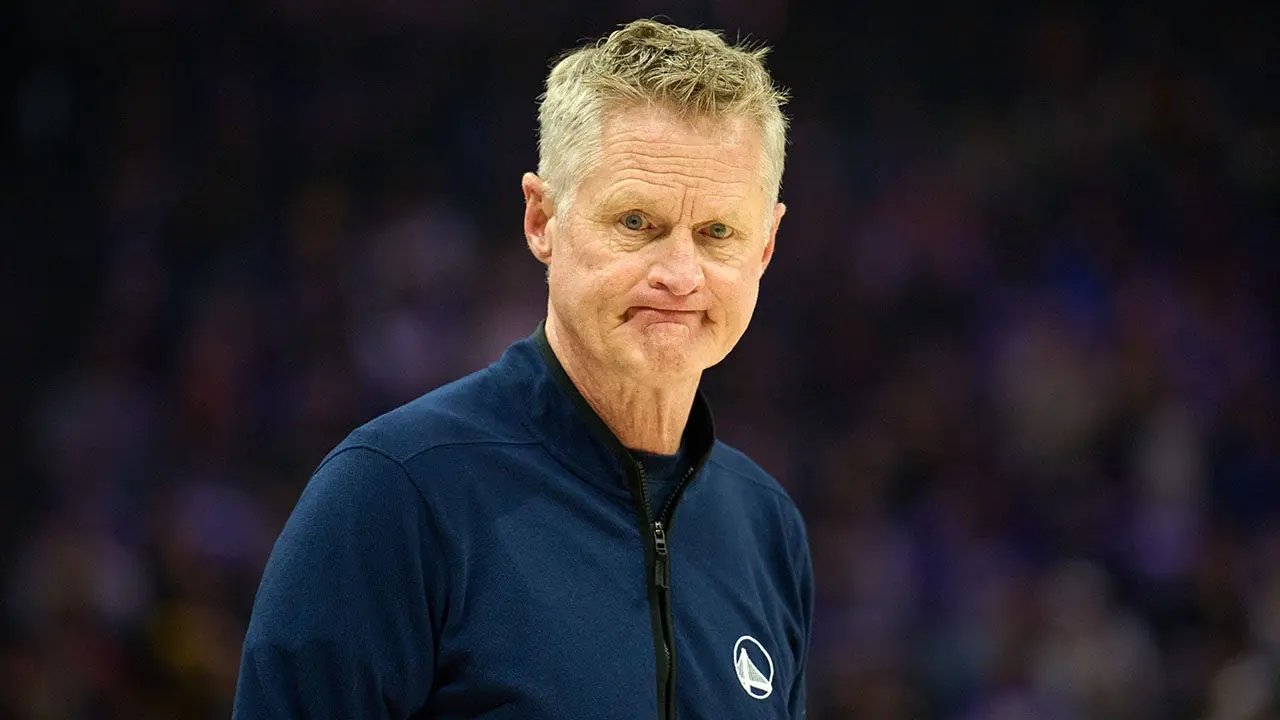
Steve Kerr sounded more cautious in a new New Yorker interview, admitting he was “wrong” on Hong Kong and saying he regrets calling Donald Trump a “buffoon.” (Robert Edwards/Imagn Images)
And the bias didn’t stop at the introduction. Even Bethea’s questions were designed to let Kerr know he was speaking with an ally, not an objective journalist (let alone an adversary). But, perhaps against his own intentions, Bethea’s bias exposed the most interesting part of the interview.
CLICK HERE TO DOWNLOAD THE FOX NEWS APP
Steve Kerr changes his tune
When Hong Kong comes up, Bethea doesn’t frame the issue as hypocrisy. He says President Donald Trump relished what he “perceived to be hypocrisy” from Kerr and the NBA. Sure, the “perceived hypocrisy” of constantly lecturing about social justice while keeping quiet about China’s human rights violations to keep cashing checks from the Communist regime. How could anyone perceive that as “hypocritical”?
Even when The New Yorker gets to New Yorker gets to one of the clearest examples of the normally loose-lipped Kerr going silent when the league’s business interests were involved, it still can’t resist softening the premise for him.
But even speaking to a friendly interviewer, Kerr sounds like a guy backing off. He says he’s learned he needs to be better about “representing our organization” without getting too personal. He says he regrets calling Donald Trump a “buffoon.” He says it’s better to focus on policy and values than personal insults. And then he does something even more telling. He admits his old Hong Kong answer was “really weak,” says “Yeah. I was wrong,” and acknowledges he was trying to “walk the company line” and not make the NBA mad.
Bethea didn’t follow up on this answer at all, by the way. Instead, he pivoted right to praising Kerr for his Uvalde stance. Modern journalism, right?
CLICK HERE FOR MORE SPORTS COVERAGE FROM OUTKICK
There’s some important context here. Recent reporting from NBA reporters Marc Spears and Nick Friedell suggested Kerr’s constant political commentary had created internal frustration inside the Warriors. Spears said he’d heard Kerr may have been “stifled a little bit.” Friedell reported that league and team sources said Kerr’s desire to speak candidly on social and political issues had, at times, caused internal frustration. That’s interesting coming from an NBA franchise in an overtly left-wing sports league.
And we’ve seen this exact pattern from Kerr before.
Kerr’s apology on ICE language
Back in January, after the Renee Good shooting in Minnesota, Kerr did what he always does: blast out an uninformed take straight out of the progressive playbook. He didn’t wait for facts or leave room for uncertainty. He said it was “shameful” that law enforcement officers could “commit murder” and seemingly get away with it, and he accused the government of lying about what happened.
He did it again after the Alex Pretti shooting, saying ICE wasn’t really “rooting out violent criminals” but detaining “5-year-old kindergartners” and U.S. citizens.
Then came the part Kerr usually doesn’t have to deal with in friendly sports media circles. A follow-up question. Although the NBA and the Warriors were initially reluctant to allow OutKick into the media room, they finally relented. When OutKick asked him directly about his comments, Kerr backed off.
“I definitely misspoke,” Kerr said while acknowledging that ICE was arresting some criminals, said he “immediately regretted” the comment, and apologized for “the misinformation.” If Kerr deserves to be labeled as refreshing, it’s not because he spouts left-wing talking points at news conferences. A lot of coaches and players do that and are hailed as heroes by the fellow lefties in sports media. It was refreshing to hear Kerr admit that he made a mistake and apologize.
And that’s where Doc Rivers comes in.
When Rivers, who was the Milwaukee Bucks head coach at the time, got the same kind of opportunity, he did the exact opposite. OutKick followed up with Rivers about his own ICE comments, and Rivers didn’t change his tune at all. In fact, he doubled down.
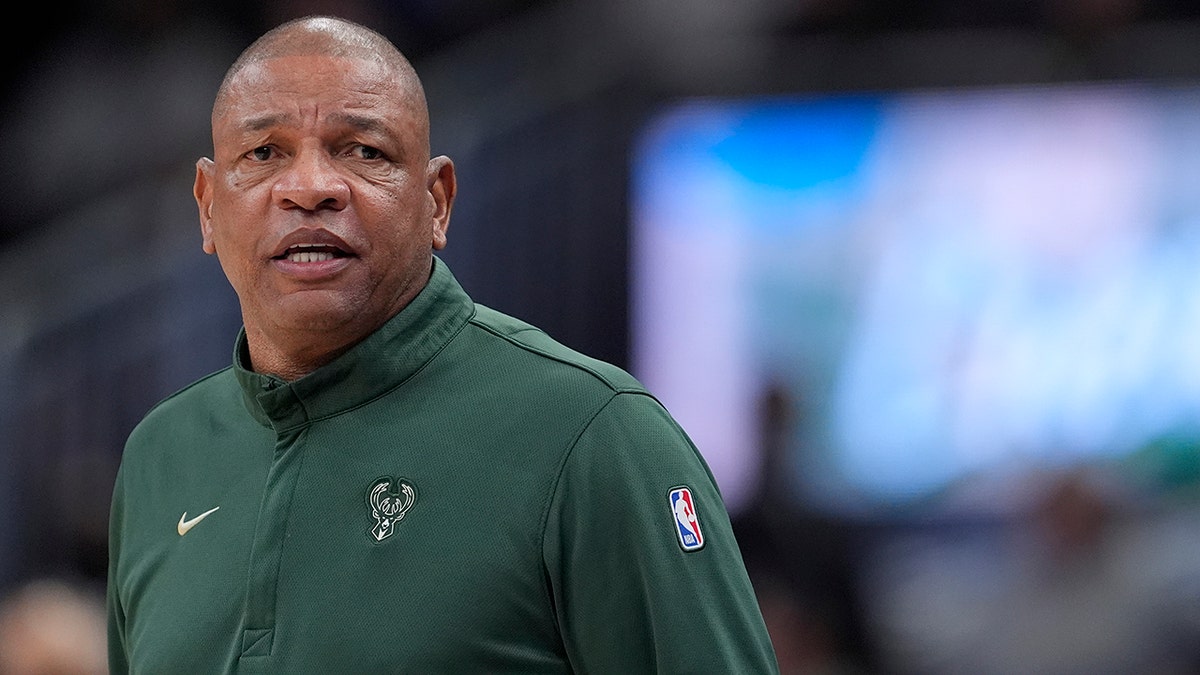
Unlike Steve Kerr, Doc Rivers doubled-down on his comments following an ICE shooting in Minnesota. (Patrick McDermott/Getty Images)
Asked whether calling the Minnesota shooting “murder” was a legal judgment or a moral one, Rivers answered, “Both, and I don’t change that at all.” Asked whether U.S. citizens who are Brown should be worried about ICE, Rivers said, “We all should be.” That’s a coach who got pushback and chose escalation. Kerr got pushback and chose retreat. In a league full of players and coaches who love to moralize, that distinction matters.
Kerr’s new attitude is about pushback, not moderation
That’s why this New Yorker article matters more than it looks like it should. On the surface, it’s exactly what people would expect from a magazine that shares Kerr’s worldview. The piece is affectionate, admiring, and shamelessly tilted in his favor. Bethea openly praises Kerr’s politics and makes no effort to push back. Instead, he tries to soften the rough edges in Kerr’s favor. Basically, he does the opposite of journalism.
And even with all that help, Kerr still sounds more hesitant than the version of himself who used to relish turning every podium into his own little bully pulpit.
ZERO BS. JUST DAKICH. TAKE THE DON’T @ ME PODCAST ON THE ROAD. DOWNLOAD NOW!
None of this means Kerr has changed sides. He hasn’t. He’s still one of the NBA’s most predictable left-wing voices. He’s still much more comfortable lecturing the country when it’s time for selective outrage and stays conveniently silent when the NBA interests are involved. Readers might notice that Kerr said he gave a “weak answer” on China previously, but he didn’t bother to give a new “strong” answer that might upset the CCP and his NBA bosses.
And he’s still being rewarded for that posture by outlets like The New Yorker, which treat progressive activism from sports figures as a sign of bravery instead of the virtue-signaling that it is.
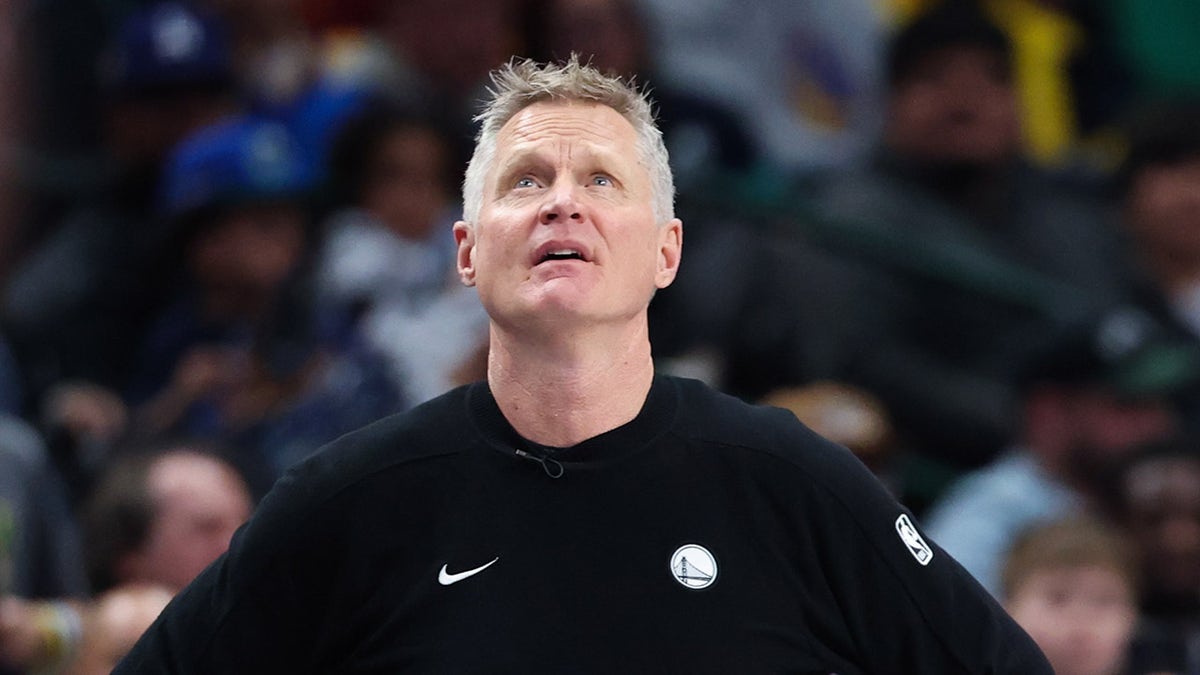
Steve Kerr sounds like a coach backing off his left-wing lectures in a new, fawning New Yorker interview, even admitting past mistakes on China and Donald Trump comments. (Kevin Jairaj/Imagn Images)
But he also sounds like someone who’s started to understand that there can be a downside to the act. The old Steve Kerr routine was simple: say the expected left-wing thing and then let the liberal media fawn on his “bravery” and never ask a follow-up question. It worked for a long time.
Then the ICE comments came and a media outlet called OutKick did some actual journalism and asked a follow-up question. That’s when Kerr’s tune started to change. He apologized. Now, reports are surfacing that people around the Warriors might be getting tired of his act, too.
Finally, there’s this New Yorker interview, where even under the friendliest conditions imaginable, Kerr sounds like a man trying to leave himself more room to retreat.
But no, Steve Kerr isn’t abandoning politics or moving more toward the middle. Instead, he’s doing something much more subtle than that.
He’s changing how far he’s willing to push his talking points when there’s a real chance of pushback.
And the fact that you can see that shift even in a fawning New Yorker article makes it a lot harder to miss.