For most Americans, saving money (or at least trying to) is a financial priority: It means a safety net in the event of an emergency expense, funds set aside for vacations, birthdays or holidays, and longer-term goals like housing deposits or family milestones.
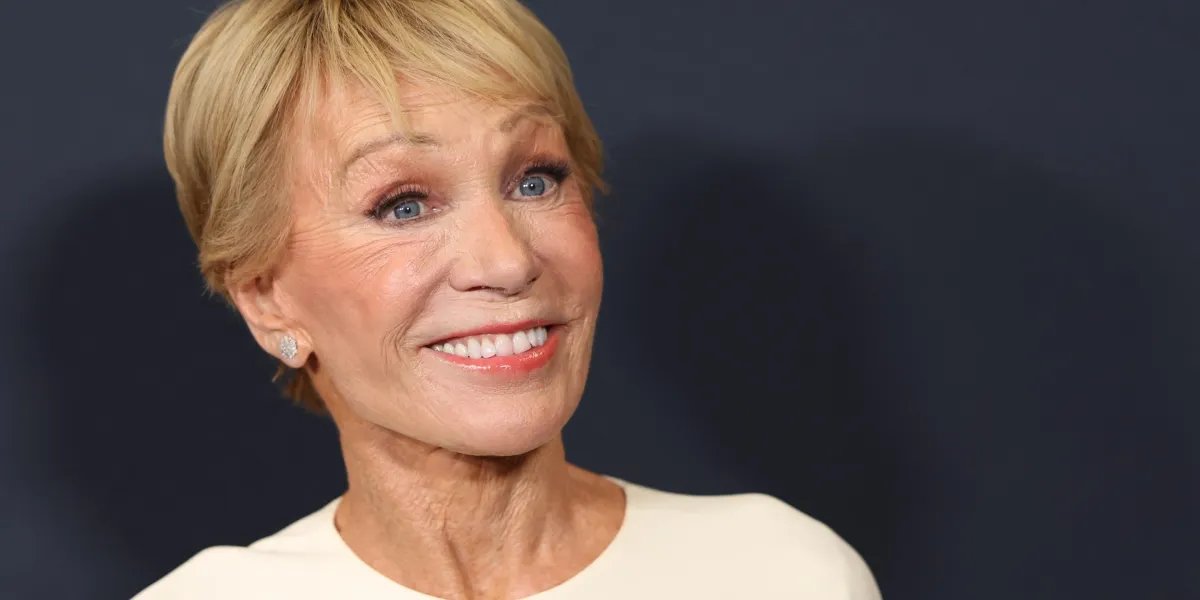
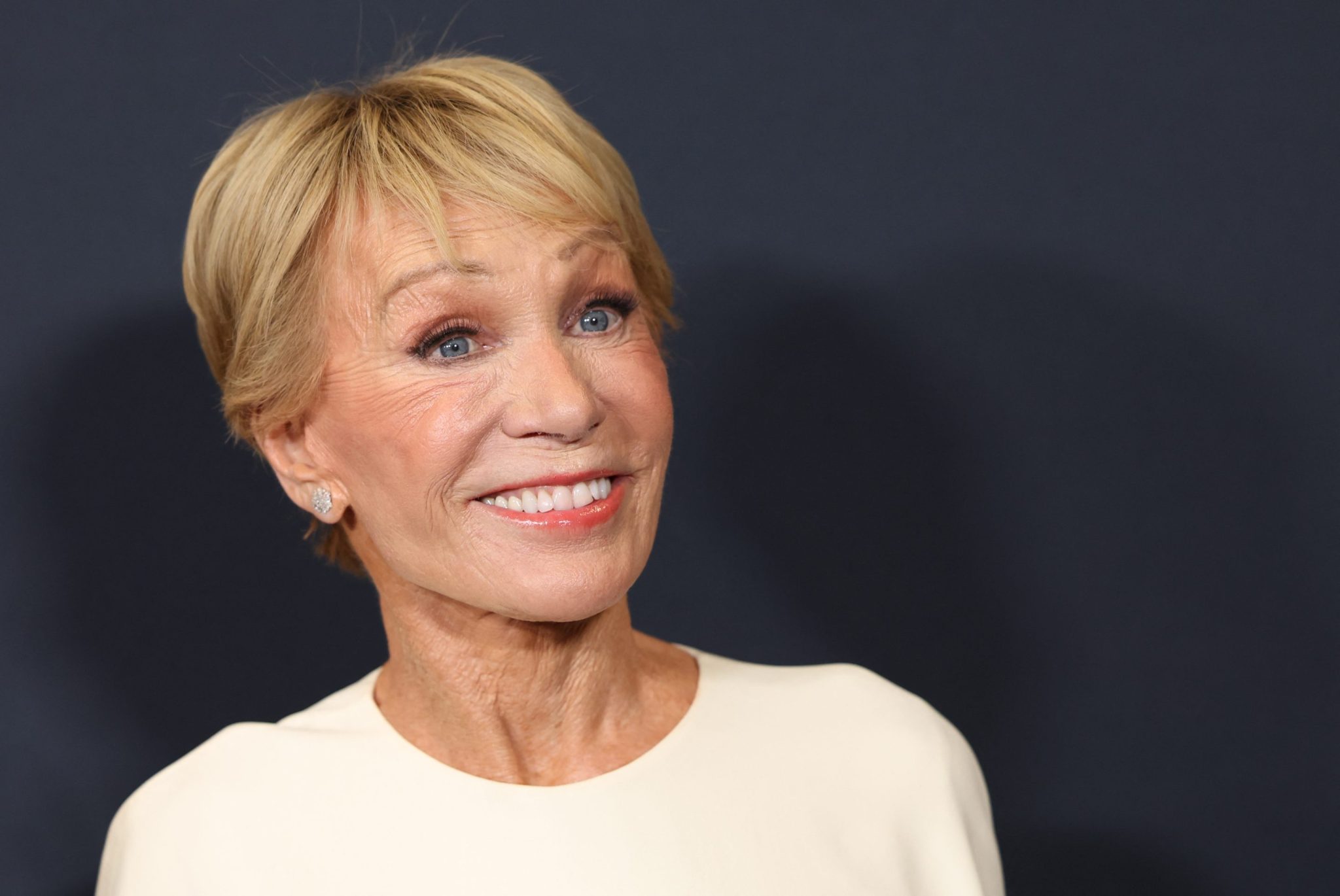
Barbara Corcoran has never subscribed to this idea. In fact, she’s “never saved a dime in her life.”
The Shark Tank star has shared on many occasions her ethos when it comes to money—that if she spends money, it will eventually make its way back to her.
Last week, an episode of the Burnouts podcast hosted by Phoebe Gates (daughter of Microsoft founder Bill Gates) and her business partner Sophia Kianni featuring Corcoran was released. Corcoran, who made her millions as a real estate mogul, told the pair: “I don’t believe in saving money.”
She explained: “I’ve never saved a dime in my life—when I sold my business for $66 million, my first thought was: What can I spend it on? I gave half of it away to family, friends, funds, and charities, because I really believe this: When you spend money, it comes back to you.”
While Corcoran’s take sits well outside the norms of good personal finance advice, her experience is perhaps unusual. The 77-year-old businesswoman and investor grew up in New Jersey, and worked through 20 jobs by the time she was 23. Famously, she borrowed $1,000 from her partner at the time, and quit her waitressing job, to open a small real estate firm in New York City.
The couple went into business before Corcoran’s partner left her for another woman. They split the proceeds from the sale of the business, and Corcoran went on to found her own real estate company. She sold that business, The Corcoran Group, in 2001 for $66 million.
Even the figure that propelled her into the realms of ultra-wealth came without much meditation: Corcoran revealed in 2023 that she set the figure of $66 million in her mind because it was her lucky number, and refused to accept any offers until she got it. The first offer to buy the business came in at $100,000, Corcoran told her Instagram followers, “I couldn’t believe my luck.” She accepted, but then changed her mind.
Four years later, another offer landed—for $20 million. She continued: “I thought for that much, I’ll ask them for even more. I said ‘No I’ll only take $66 million, exactly $66 million. It took them a year to shuffle around, look at the books, but what do think they paid me? $66 million.”
A saving mentality
Corcoran’s case is inspiring; however, it sits at odds with the current reality for many Americans. A YouGov survey released last week found 55% of the U.S. population is just about “keeping up” or has already fallen behind. Indeed, the majority of Americans—even those who would describe themselves as “comfortably ahead” in a financial setting—have some form of debt.
Looking more broadly, the reason for that debt across Western populations is to pay for everyday essentials. More than two in 10 people said they had taken on debt to make ends meet, followed by 21% of people who said they had gone into debt to pay for one-off or unexpected expenses.
A survey from Bankrate earlier this year found nearly one in four (24%) of Americans have no emergency savings at all, leaving them no other choice but to borrow the funds. This was particularly the case—perhaps unsurprisingly—among younger people, with 34% of Gen Z and 28% of millennials saying they had no emergency funds.
Corcoran’s economy was different to the world younger people now find themselves in. But the woman who is now worth some $100 million insisted on the podcast: “My mom raised 10 kids on a shoestring budget and she always said: “Money is meant to be spent.” One time, I was almost going bankrupt, for maybe the fifth time, and I told my mom I had to shut the business down and tell everyone they no longer had jobs. She said: ‘Don’t worry about the money, what a waste of time.’”
She added: “I never got rich by saving, I got rich by allowing money to come and go.”