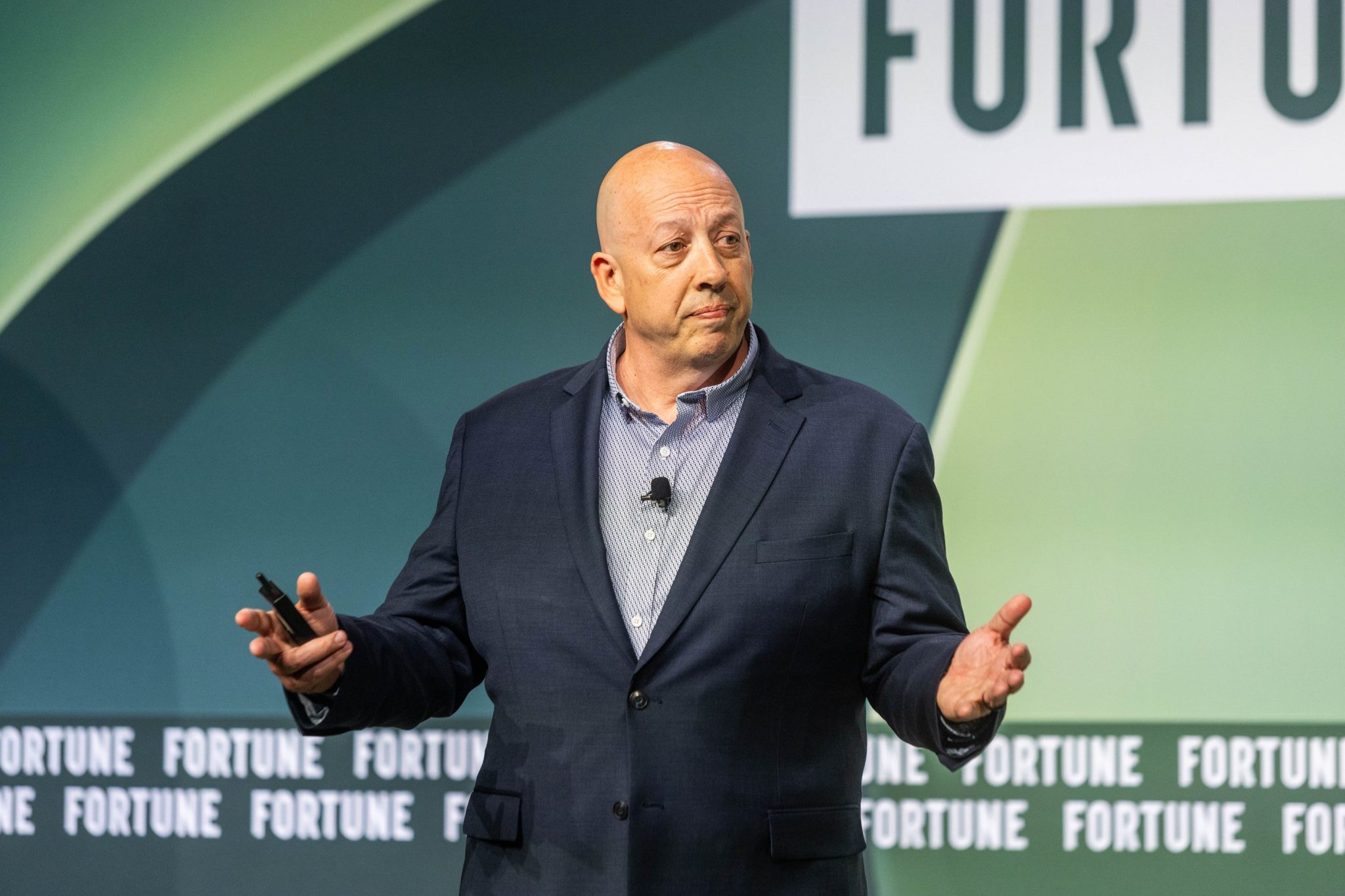
The old corporate playbook said surge to meet demand. Charles Kirol says that playbook is dead.
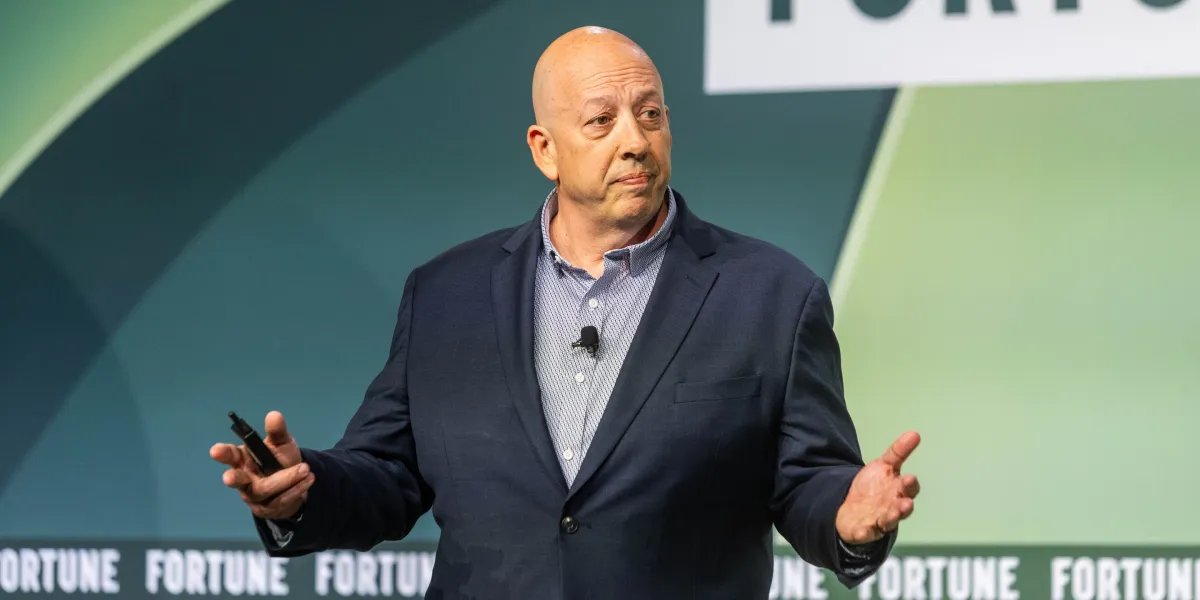
Speaking at Fortune‘s COO Summit, Peloton’s Chief Operating Officer — a nearly 40-year U.S. Navy veteran who once commanded nuclear submarines — delivered a blunt challenge to the business leaders in the room: in a world of geopolitical volatility and broken supply chains, efficiency alone will get you killed.
“Both in the Navy and at Peloton,” Kirol said, “efficiency without resilience is just a fast way to fail.”
His prescription starts with what he calls the “glass pipeline” — a concept he lifted directly from submarine logistics and grafted onto Peloton’s global supply chain. On a submarine, there’s no hiding a dwindling food supply: every crew member can see exactly where inventory stands at any moment. Kirol has built the same radical transparency into Peloton’s operations, using real-time KPI monitoring to surface what he calls “hidden tripwires” in the supply chain before they detonate — and crucially, empowering teams to act on those signals without waiting for executive approval.
It’s a direct rebuke to how most companies manage risk: by the time a problem reaches the C-suite, it’s already a crisis.
Kirol’s other sharp edge was aimed squarely at how corporations reward performance. Too many organizations, he argued, celebrate individual stars and high-performing departments in isolation — building what he called “silos of excellence” that ultimately undermine the broader mission. He invoked the Navy’s “Bravo Zulu” tradition, a commendation almost never given to individuals, as the model corporate America should follow.
“Let’s stop building silos of excellence and build fleets of resilient teams,” he said.
The speech comes as Peloton continues its recovery under CEO Peter Stern, betting on a formula of hardware, AI-driven software, human coaching, and community engagement to win back members. Kirol’s operational philosophy — mission first, team second, self last — is the internal engine running beneath that strategy.
After founder John Foley was pushed out in February 2022 amid 2,800 layoffs and $800 million in cost cuts, his successor Barry McCarthy restructured again in 2024 — laying off another 15% of the workforce before stepping down himself. Peter Stern, a former Apple and Ford executive, took the helm on January 1, 2025, and Kirol was appointed COO just months later — the role newly created, signaling that Peloton had decided it needed a dedicated operator at the table.
Peloton’s prior leadership famously overcorrected on supply chain — throwing capital at manufacturing capacity during the pandemic boom, then getting caught badly overextended when demand collapsed. That history makes the glass pipeline concept more than a military metaphor: it’s a direct institutional lesson from a company that learned, expensively, what happens when the reality of inventory is hidden until it’s too late. In today’s tariff-rattled environment, where global supply chains are absorbing fresh shocks, that kind of real-time visibility has gone from nice-to-have to existential.
With global supply chains still reeling from tariff turbulence and geopolitical shocks, Kirol’s message landed with urgency: every organization right now, he said, is “800 feet below the surface, and the food supply is getting low”.
The new playbook isn’t about moving faster. It’s about being ready.
For this story, Fortune journalists used generative AI as a research tool. An editor verified the accuracy of the information before publishing.