- Inflation target not in abeyance
- Inflation target has to be met over a period, not advisable to take action for each deviation
- Will be watchful if inflation getting generalised
- No measures under consideration to restrict capital outflows
- Will take measures to curb speculative trading in FX if required
- Assumption for crude oil at $95 per barrel
- If inflation gets generalised, then it’s time to act
- Will do whatever is required to ensure we have good flows, maintain orderly moves for INR
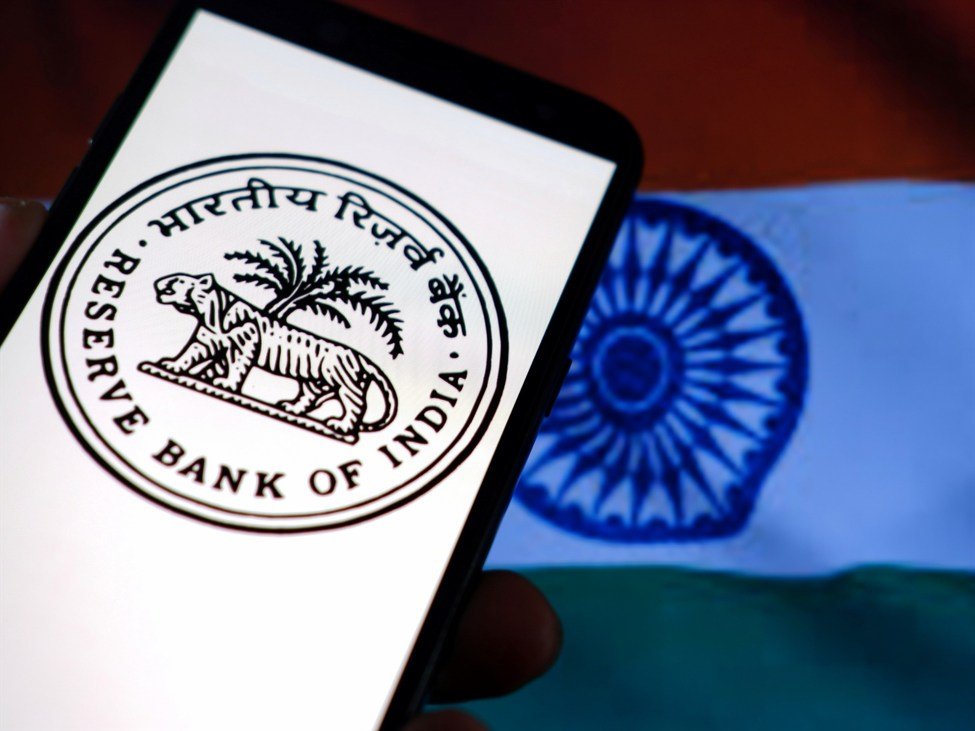
Speaking after the Monetary Policy Committee’s decision, RBI Governor Sanjay Malhotra stressed that the central bank remains firmly committed to its inflation mandate despite recent external shocks.
Malhotra pushed back against suggestions that the RBI might tolerate higher inflation in order to support growth. He emphasized that monetary policy should be assessed over a period rather than reacting to every short-term deviation in prices, while warning that policymakers would closely monitor whether inflationary pressures become more broad-based.
The remarks underscore the RBI’s balancing act as the Iran conflict drives energy markets higher and places pressure on India’s external accounts. The central bank has assumed an average crude oil price of $95 per barrel in its baseline projections, reflecting the significant risks posed by disruptions to global energy supplies.
While headline inflation remains within the RBI’s 2%-6% tolerance band, the central bank raised its inflation forecast for the fiscal year to 5.1% and lowered its growth projection to 6.6%, acknowledging the economic costs of higher energy prices and global uncertainty.
Malhotra signaled that the RBI is not yet ready to tighten policy solely because of oil-driven price pressures. However, he drew a distinction between temporary supply-side shocks and persistent inflation.
“If inflation gets generalised, then it’s time to act,” he said, suggesting that the central bank could respond more aggressively if higher fuel costs begin feeding into wages, services prices, and broader consumer inflation.
The governor also sought to reassure markets about the rupee, which has come under sustained pressure this year amid rising oil import costs and foreign capital outflows. The currency has lost roughly 5%-6% against the US dollar in 2026 despite repeated interventions.
Malhotra stated that no measures are currently under consideration to restrict capital outflows, an important signal for investors concerned about potential capital controls. Instead, he reiterated the RBI’s commitment to preserving orderly market conditions.
The RBI has already unveiled a series of measures aimed at attracting foreign currency inflows and supporting the rupee, including incentives for foreign investors in government bonds, support for non-resident Indian deposits, and special foreign-exchange facilities for state-owned entities. Officials estimate these steps could potentially attract tens of billions of dollars in inflows.
Malhotra added that the central bank remains prepared to intervene against excessive currency volatility, saying speculative activity in FX markets would be addressed if necessary.
For now, the RBI appears content to remain on hold while assessing whether the current inflation shock remains temporary or evolves into a more entrenched problem. But with oil prices elevated, the rupee under pressure, and inflation forecasts moving higher, Friday’s message suggested that policymakers are increasingly alert to the possibility that their next move may eventually need to be a rate hike rather than another prolonged pause.