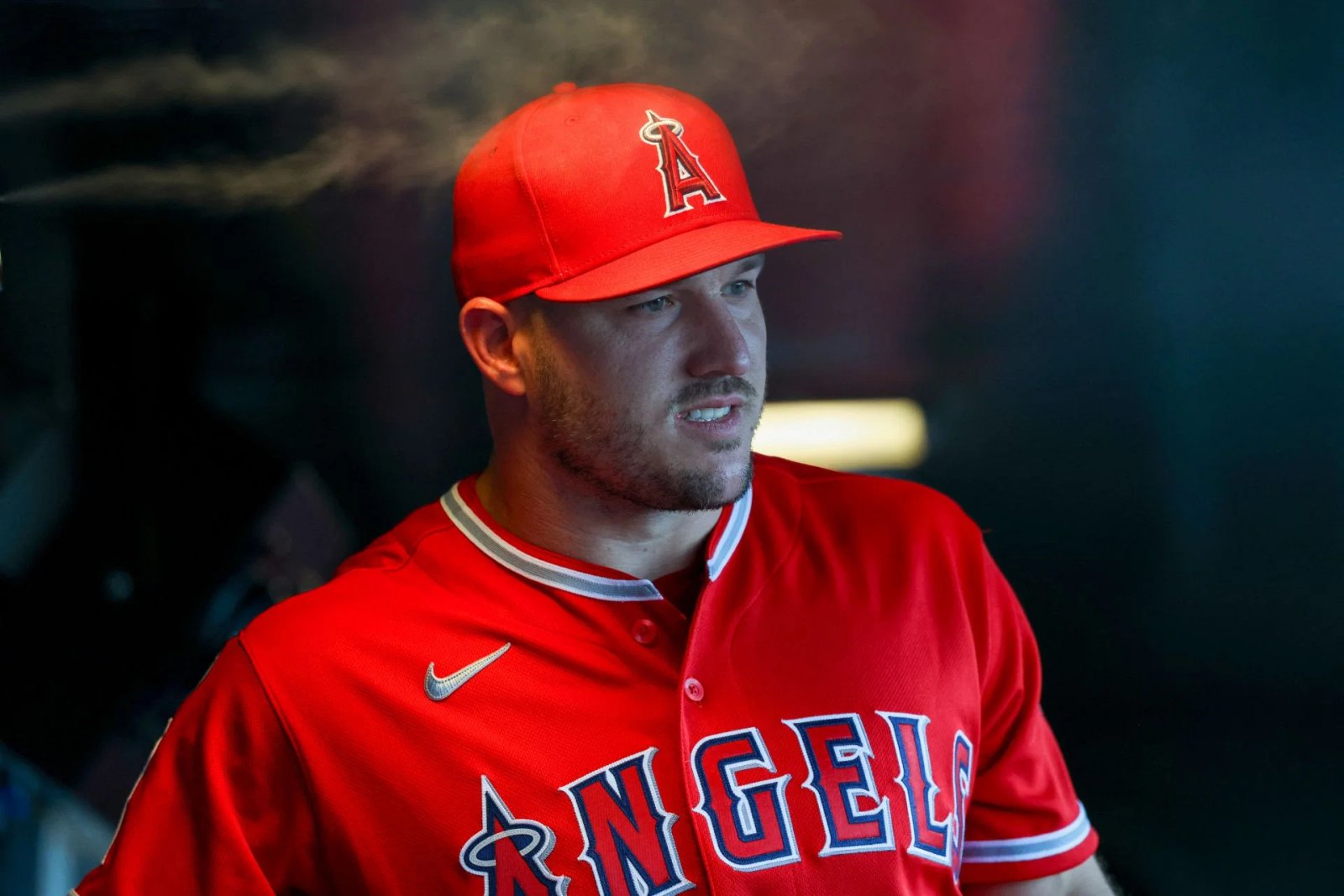

Many baseball fans still remember the summer of 2012. They watched a flickering television screen as a 20-year-old kid from Vineland, New Jersey, practically flew across the screen in the Los Angeles vs. Baltimore Orioles game at Oriole Park at Camden Yards.
He tracked a fly ball to deep center field, leaped with gravity-defying grace and brought back what should have been a surefire home run for Orioles shortstop J. J. Hardy. That kid was Mike Trout, and his smile after the robbery could’ve lit up all of Orange County.
Trout’s baseball career in the next decade felt like reading Ernest Hemingway’s “The Old Man and the Sea,” a masterclass in pure excellence. However, the analogy shifted from a literary masterpiece to a tragedy of isolation as the years rolled on.
•

Trout spent his prime years producing historic individual brilliance while stranded in an Anaheim ecosystem completely incapable of supporting him. It was like Hemingway’s old man catching a magnificent marlin only to watch it get devoured by sharks.
Also Read:
Why Paul Skenes Deserves Better Than the Modern Pirates
10 MLB Stars Who Played for Rival Teams
The Stagnation of Greatness
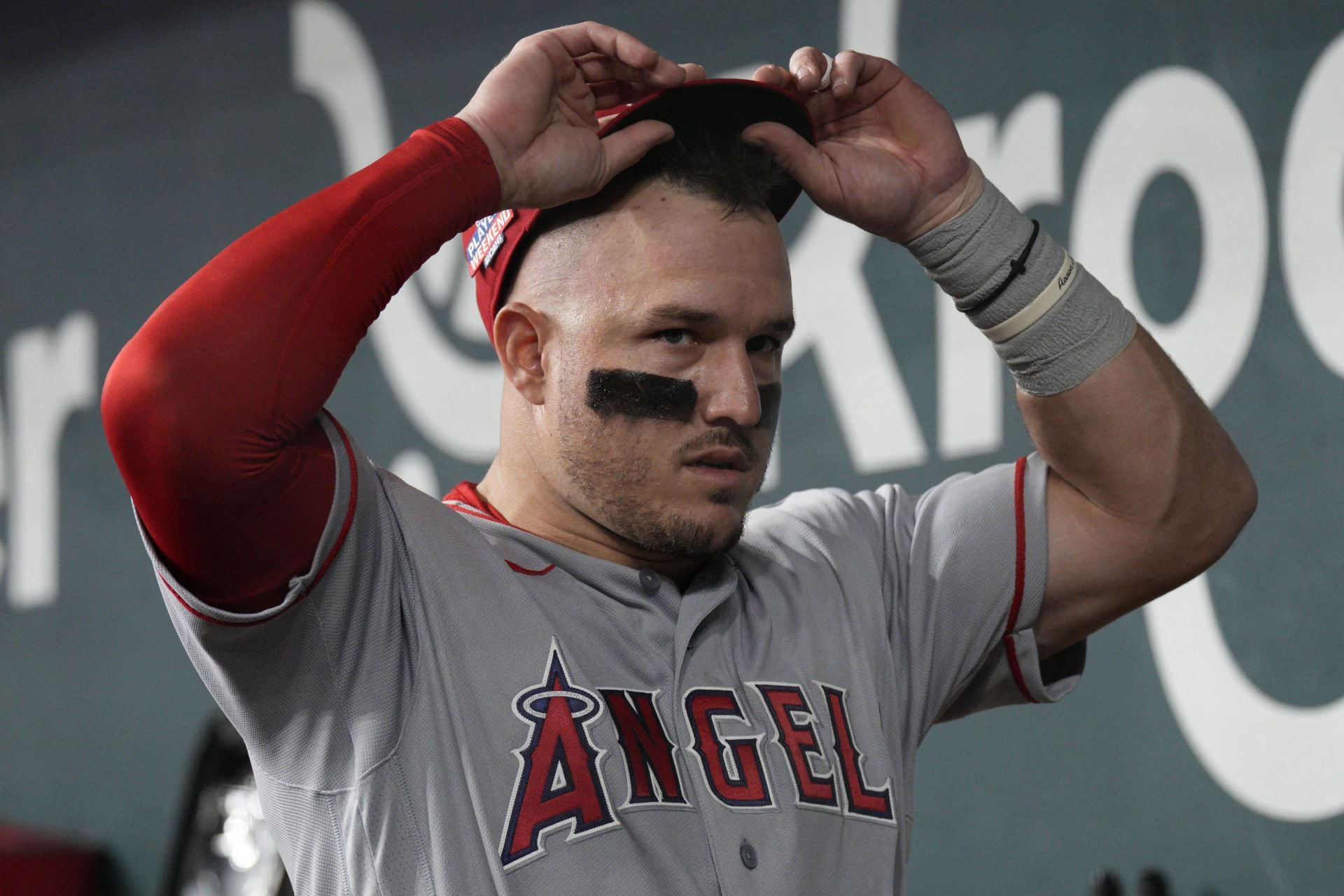
The core issue that held both Mike Trout and the Los Angeles Angels hostage was the diminishing marginal returns on an albatross contract within a rebuilding roster. The problem began in earnest after the 2019 season. When Trout signed his historic extension, it was celebrated as a triumph of franchise loyalty.
Unfortunately, baseball is not basketball. One generational superstar cannot carry a flawed 26-man roster to the promised land. The Angels repeatedly failed to draft and develop starting pitching and Trout’s body began to break down under the immense physical toll of trying to mask a sinking franchise.
Trout suffered a brutal litany of major injuries between 2021 and 2025. The injuries ranged from a calf strain to recurring meniscus tears that limited him to an average of fewer than 80 games per season.
Trout’s 2026 campaign offered a glorious breath of fresh air. He featured in 142 games and hit 22 home runs. However, the structural cracks remain evident. His range in center field diminished severely, and he has formally agreed to transition to left field for the 2027 season.
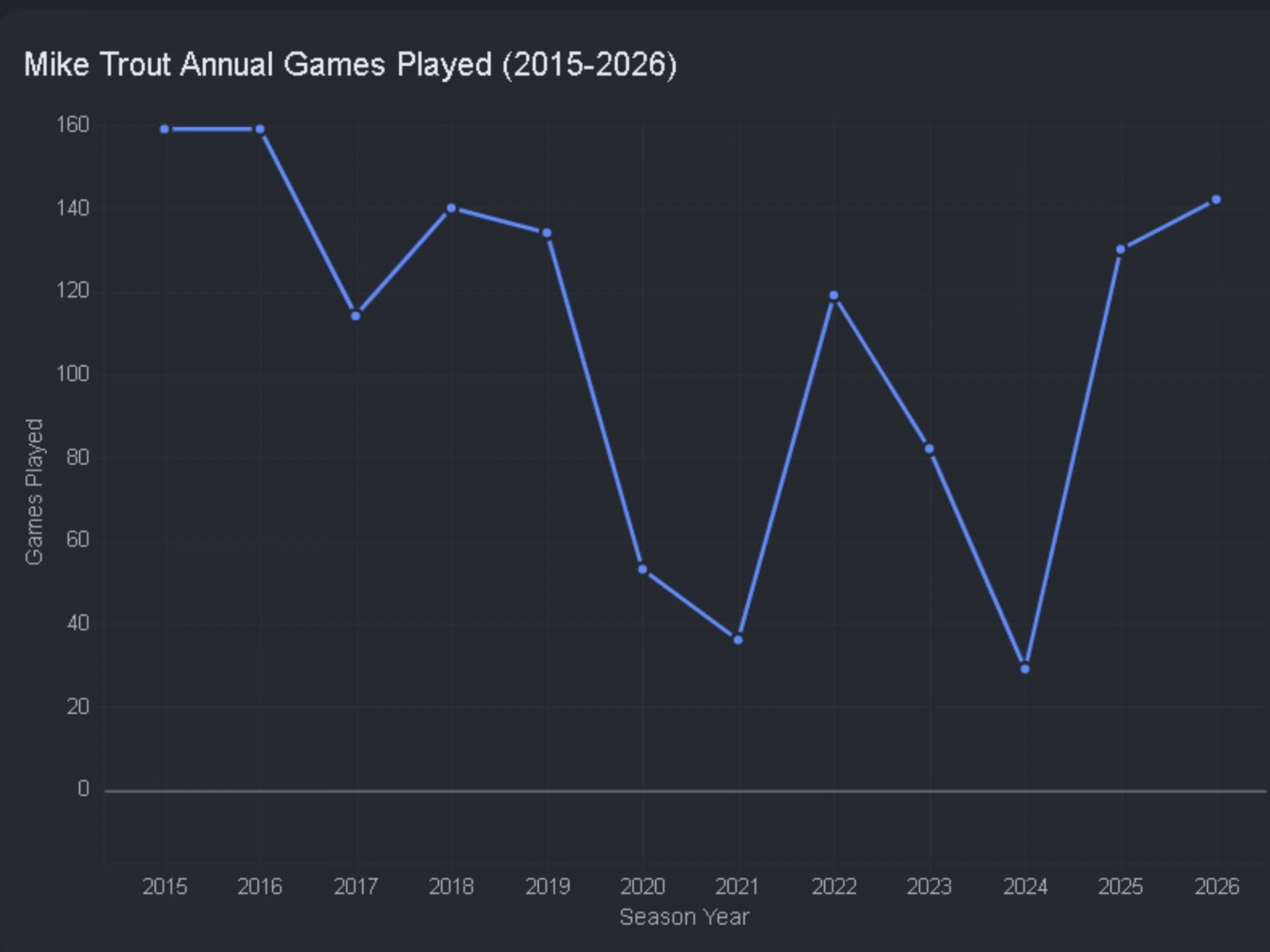
The visualization above highlights the volatility in Trout’s durability. The steep valleys between 2021 and 2024 show the massive risk the Angels carry by holding onto a 35-year-old outfielder who absorbs $37.1 million in annual payroll through 2030.
The front office is aware of this burden, especially as a new ownership group takes the reins in Anaheim. Halos writer Sam Blum previously noted deep concern within the organization in September 2025.
“Mike Trout has been Mike Trout in name only this season. A good player, but nowhere near great. Getting back to himself, his old self, has appeared less and less likely, even though he believes it can happen,” Blum wrote on The Athletic.
Even after his 2026 resurgence, the interim GM, John Mozeliak, acknowledged the reality of a total rebuild after blowing up the roster at the trade deadline.
“Look at the best clubs in baseball (and) what you admire; whether they’re large-market or small-market, they have a philosophy, they have direction, and they stick to it, right? That’s ultimately what we need to do here, and that’s hopefully something I can help bring to them,” Mozeliak said after his interim appointment in June 2026.
This ecosystem paralysis impacts the wider sporting world. National interest wanes when elite talents spend their entire careers insulated from meaningful games.
Compare MLB’s situation to the NBA, where icons like LeBron James or Kevin Durant regularly shift ecosystems to maximize postseason drama. This drives massive television ratings and merchandise spikes.
As such, baseball as a whole loses its cultural footprint when a generational icon like Trout is hidden in late-night West Coast games for a team that finishes 10 or 20 games under .500.
The Blueprint for a Bronx Blockbuster
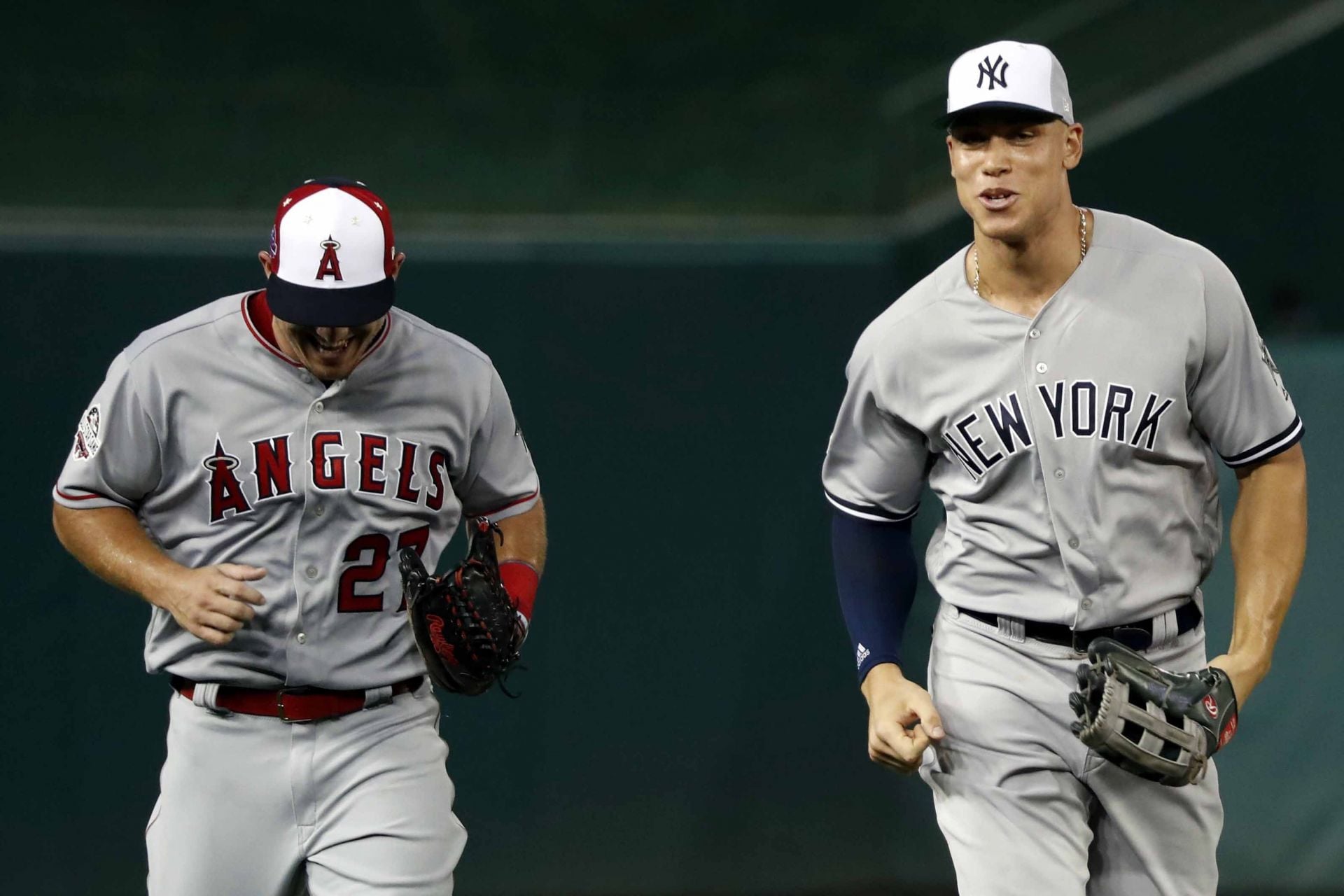
Resolving this crisis requires the Los Angeles Angels and the New York Yankees to embrace calculated vulnerability. The solution rests on a coordinated trade framework.
Firstly, the Angels must agree to eat roughly 40 to 50% of Trout’s remaining contract. Secondly, the Yankees should send back a package of near-MLB-ready talent and secondary prospects.
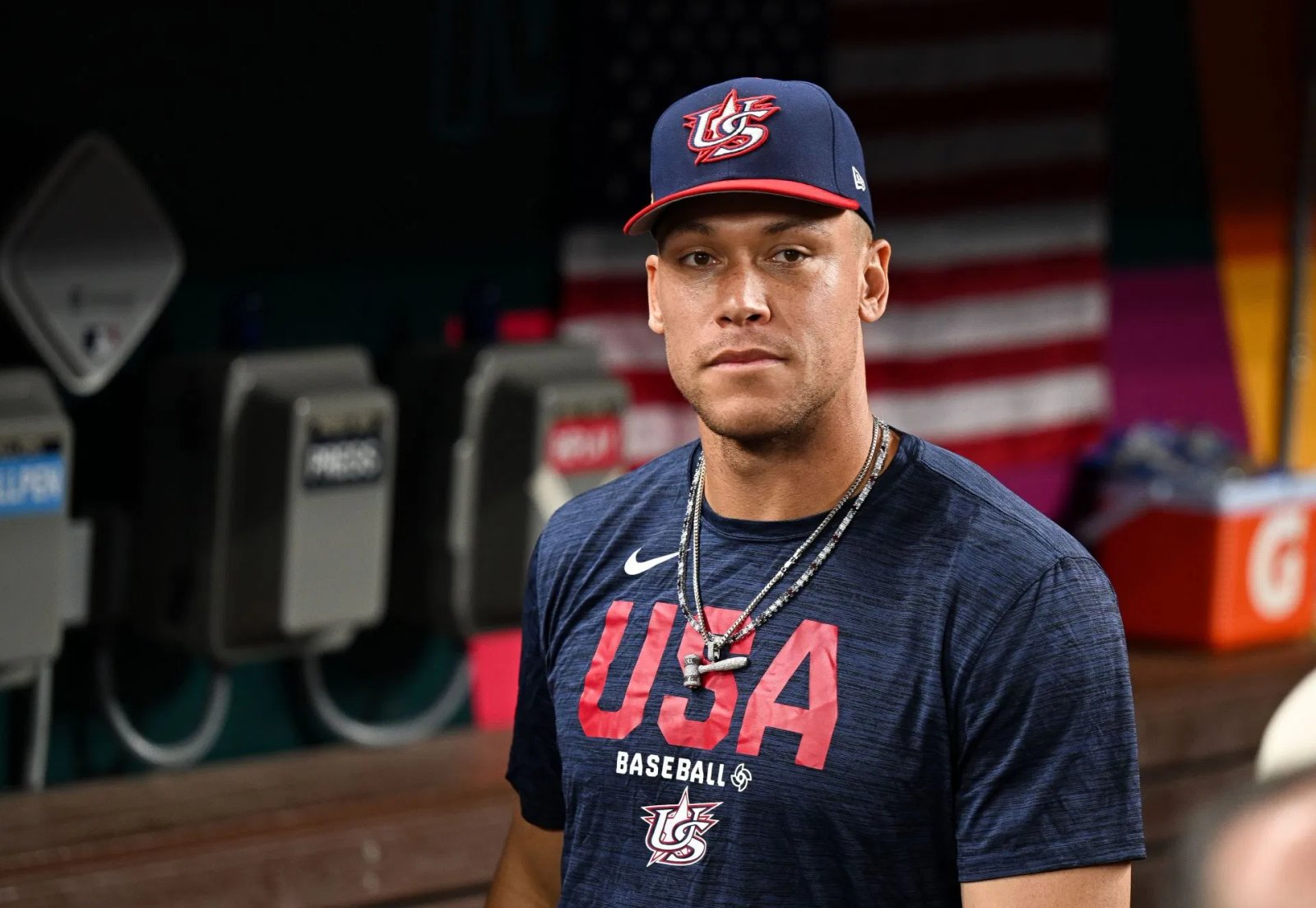
Yankees will likely part ways with center fielder Trent Grisham and free-agent Jazz Chisholm Jr. Here, Trout represents the ultimate short-term offensive upgrade. He will easily slot into left field alongside Aaron Judge and create a modern-day Murderers’ Row.
This structure addresses the concerns of skeptical analysts who label Trout’s deal a potential contract albatross. Subsidizing the contract will give the Angels the financial flexibility to construct a competitive young core from scratch.
National baseball commentators have frequently urged Trout to waive his no-trade clause, arguing that seeing him pursue a World Series ring would be electric for the sport.
It is time for the decision-makers in both front offices to step up. Brian Cashman must recognize that avoiding bold risks has contributed to the Yankees’ championship drought. Meanwhile, the Angels’ leadership must accept that true loyalty means letting a franchise icon chase the October glory he earned.
We cannot allow Trout’s career to slowly fade into obscurity while a great talent plays out the string in empty stadiums. Let us bring the Millville Meteor to the grandest stage in the Bronx. Let him play meaningful games in October and finally give baseball the legendary postseason chapter its finest player truly deserves.
Read More:
10 Greatest MLB Pitchers of All Time & Their Best Pitching Year
10 Richest MLB Owners in History
Edited by Safeer M S