Barely hours after Brazil’s Superior Electoral Court declared him the winner of a historic fourth term, President Luiz Inácio Lula da Silva wasted no time revealing his priorities.
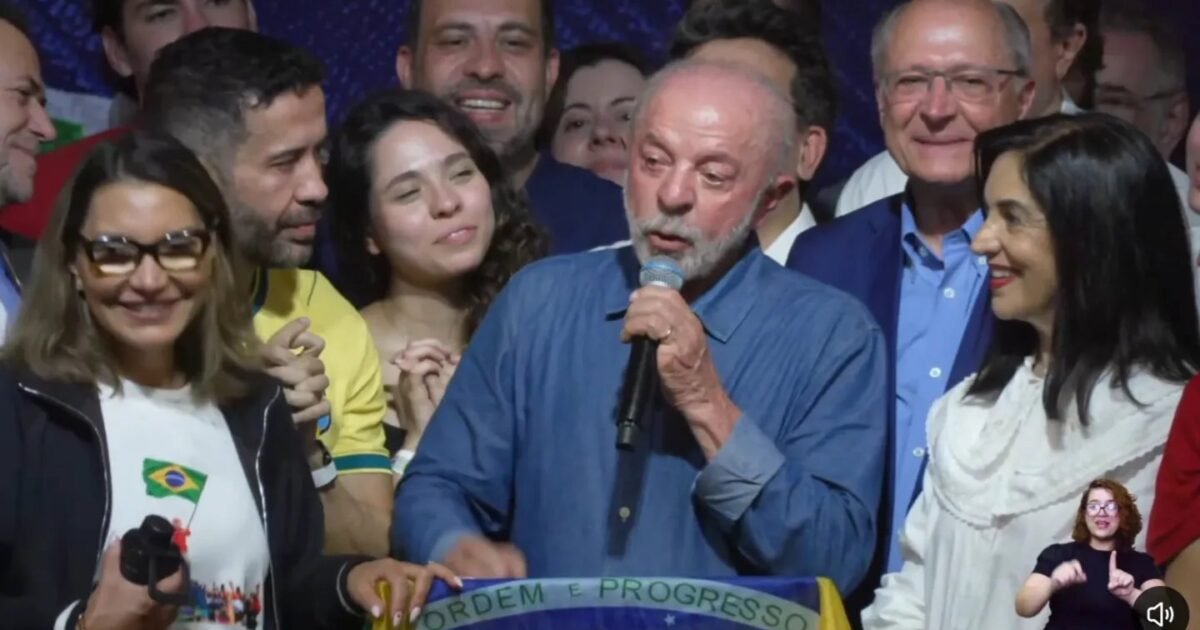
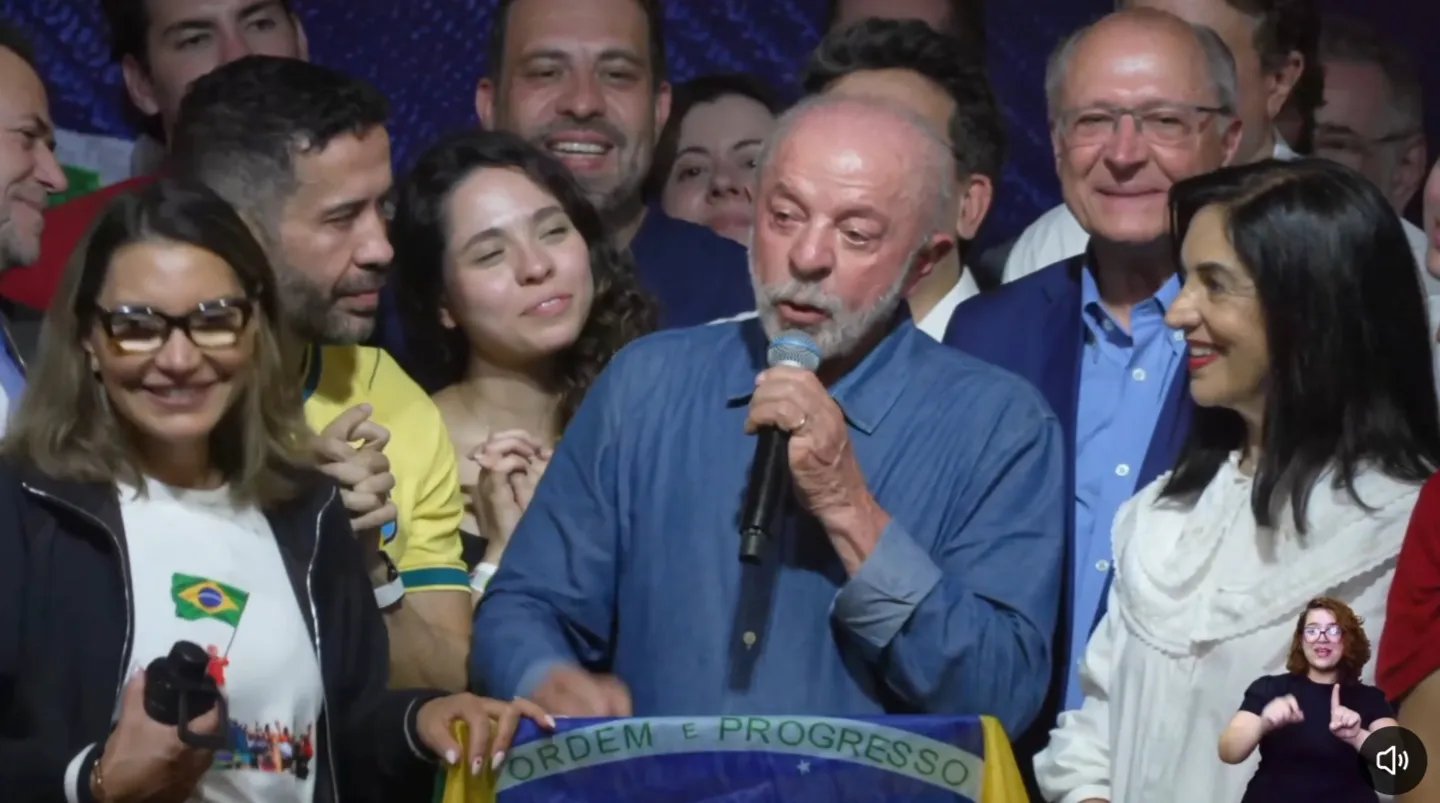
Standing before supporters in São Paulo on the night of October 25, the 80-year-old Workers’ Party leader declared that his campaign had been forced to overcome “interference coming from outside to inside through digital platforms” and that “we’re going to have to regulate them.”
According to Brazilian reporting citing CNN Brasil, Lula said:
“This was an election in which we had to overcome interference from outside, through digital platforms, which we will have to regulate.”
He continued:
“It is not possible that we are not aware that crime in the digital world must be treated like crime in the real world.”
He attacked “monstrous companies” that “earn millions and billions, pay no taxes in this country, and try to direct the electoral result.”
🇧🇷 Fresh off his election victory, Lula is already calling for tougher regulation of digital platforms in Brazil.
Speaking from his campaign headquarters, he accused major tech companies of making millions, paying no taxes in Brazil, and trying to influence the country’s election results through their platforms.
He insisted that crimes committed online must be treated like crimes in real life and warned that Brazil will HAVE to regulate these companies.
Lula hasn’t even started his new term, and Big Tech is already in his crosshairs.
Writer: Sol
https://t.co/90NFyI3q5z— Mario Nawfal (@MarioNawfal) October 26, 2026
This is not a new obsession. The Gateway Pundit has extensively documented the Lula government’s long-running campaign against free speech online, including the 2024 nationwide suspension of X (formerly Twitter) under Supreme Court Justice Alexandre de Moraes, the targeting of ordinary users with massive VPN fines, and the regime’s open desire to “regulate” platforms into compliance.
Lula’s own party kept posting on X while citizens faced blocks and penalties. First Lady Janja da Silva even publicly told Elon Musk “f*** you” during a G20 event.
The pattern continued into the 2026 race. During the campaign itself, Lula’s team accused Meta of algorithmic bias and reduced reach favoring Bolsonaro, filed complaints with the electoral court, and launched a site collecting “censorship” complaints.
Yet the same government that spent years pressuring platforms to remove content critical of Lula, expand liability for user speech, and empower agencies to act without traditional judicial orders now frames any pushback as foreign “interference.”
Earlier decrees in 2026 already increased platforms’ obligations to remove content after notification and expanded oversight powers, moves critics described as bypassing Congress to revive stalled “fake news” bills.
Flávio Bolsonaro’s challenge and the documented irregularities around voting hours, electronic systems, and judicial intervention ensure the fight is not over.
Ad block users: Some site features may not work correctly while an ad blocker is enabled, because they break scripts and content this website depends on. If you can’t see comments below, for example, please disable your ad blocker.