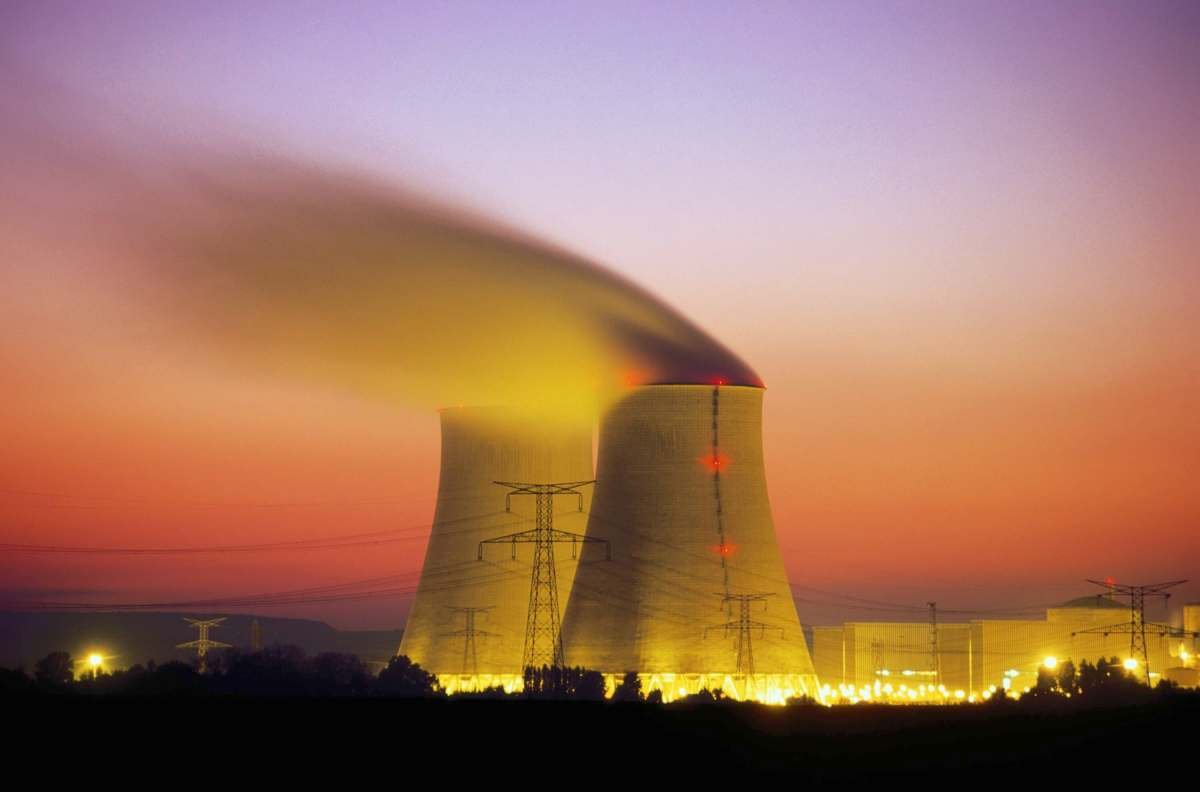
Amazon is funding development of a proposed 960-megawatt nuclear plant in Indiana and would be the first customer to buy its power, the companies announced Monday. Utility company American Electric Power (AEP) would operate the plant. X-energy, which designs small modular nuclear reactors and went public in April, would supply the reactors.
The new power plant would consist of 12 Xe-100 small modular reactors and be located on the site of a demolished coal power plant just south of Terre Haute. The deal is the second commercial agreement between Amazon and X-energy, and it’s three times larger than the first, which was announced two years ago.
Amazon has invested heavily in X-energy, leading a $700 million Series C-1 round in October 2024. The two companies have said they ultimately plan to build 5 gigawatts of new nuclear generating capacity in the U.S. by 2039.
Unlike many newly announced power plants, these reactors would be connected to the public electric grid, though Amazon says the power would also serve its data centers.
The companies’ aggressive timeline still depends on X-energy successfully delivering its first power plant at a Dow Chemical plant southeast of Houston, Texas. The site, called Seadrift, has recently been at the center of a lawsuit filed by the state of Texas, which accuses the plant of “habitual non-compliance” with water and solid-waste regulations and permits.
X-energy has yet to break ground at Seadrift, which will host four Xe-100 reactors to provide the chemical plant with heat and electricity. The company said its construction permit is in the final phases of the U.S. Nuclear Regulatory Commission’s review process.
Startups and large cloud computing companies are betting that small modular reactors (SMRs), like the kind being developed by X-energy, will help pull the nuclear industry out of its slump. The most recent nuclear power plants built in the U.S. suffered from egregious budget overruns and slipped timelines.
By shrinking the reactor, companies like X-energy hope that mass manufacturing will costs and schedules in line. Even then, it could be a tall order. Experts say mass manufacturing often doesn’t start producing benefits for about a decade.
X-energy debuted on the Nasdaq in April in an IPO priced at $23 per share. Investor excitement drove the price up 27% in the first day of trading, but shares of the newly public company have dropped by nearly two-thirds since then.
News of the Amazon deal sent X-energy’s shares up about 10% in pre-market trading, though they were down by less than 2% at the time of publication.
When you purchase through links in our articles, we may earn a small commission. This doesn’t affect our editorial independence.