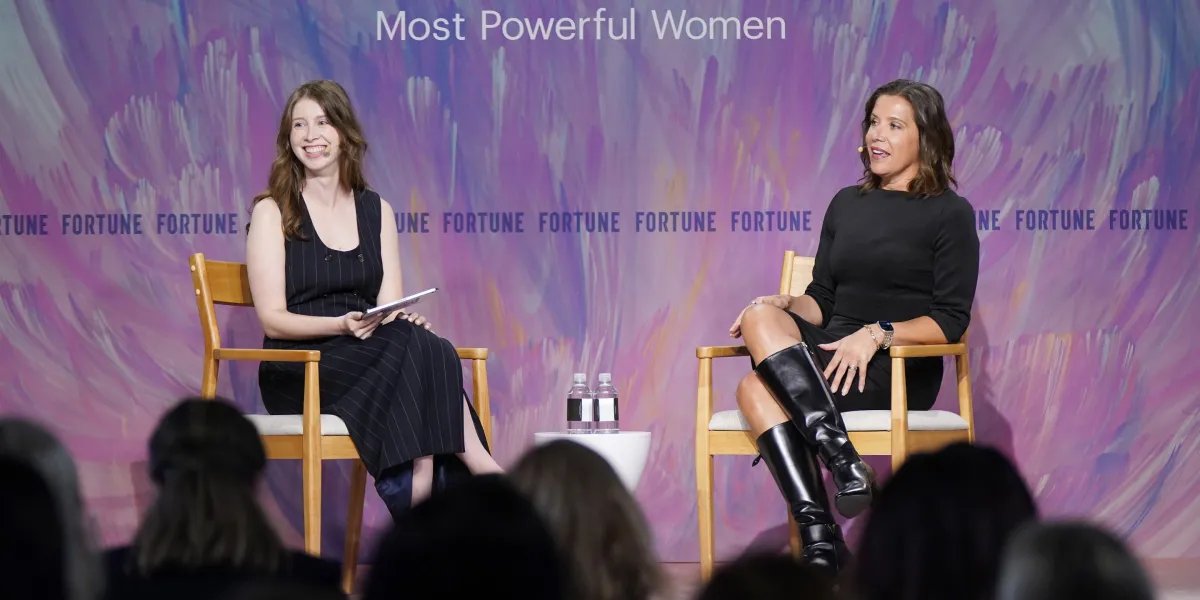
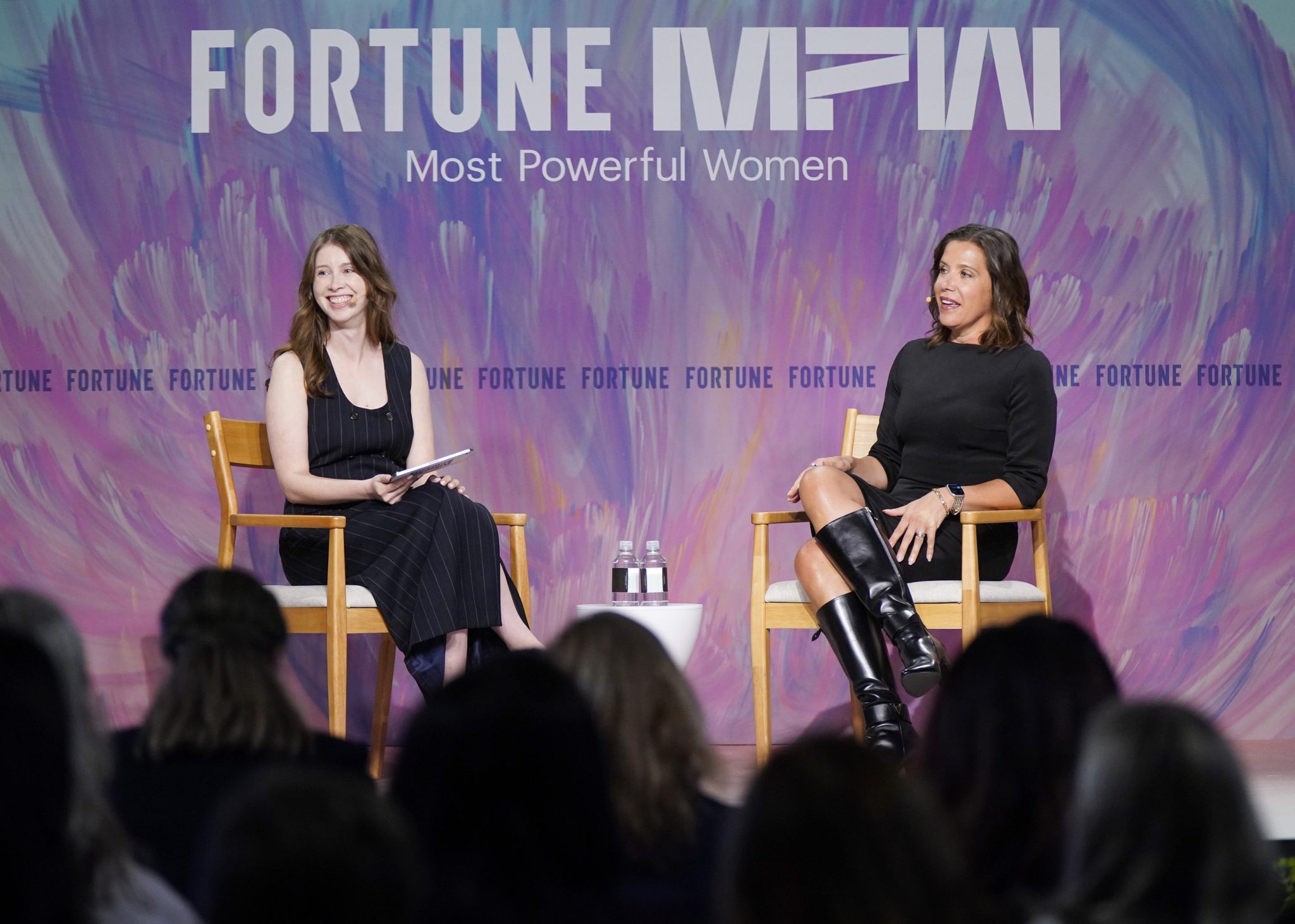
When Corie Barry was named CEO of Best Buy seven years ago this month, hopes were high that the electronics retailer would build on a period of successful reinvention. After all, she was a key architect of that reinvention, as chief strategic transformation officer under her predecessor Hubert Joly.
But it was not to be: Best Buy revenue is lower now than when she started as CEO, and the company is struggling to find its way.
Barry, who has consistently been ranked among the Most Powerful Women in business by Fortune in recent years, announced today that she is stepping down as CEO in the autumn right before the key holiday season. She is being replaced by Jason Bonfig, a longtime Best Buy executive who is currently the company’s chief customer, product, and fulfillment officer.
Barry has plenty to boast about from her tenure at Best Buy: She served as Joly’s right-hand person in pulling off one of the most dramatic reinventions of a major retailer ever, making Best Buy stores and web site appealing enough for loyal shoppers to choose them over Amazon and avoid the fates of now-defunct rivals such as Circuit City.
In 2019, during her first analyst day as CEO, Barry said Best Buy was eyeing a $50 billion in revenue milestone by 2025 and betting that its nascent healthcare business would be a key engine of growth to get there. But last year, revenue came in at $41.7 billion and Best Buy wrote down some of its investment in Best Buy Health as that line of business has failed to live up to its promise. In the time she has been CEO, Best Buy shares have risen 6%, well below the 157% gain for the S&P 500.
To be fair, Best Buy did at one point pass the $50 billion mark she was aiming for, but largely because of the COVID pandemic when the retailer’s sales soared as more people starting working and schooling at home, buying up laptops and home-entertainment systems. Sales in the year ended in early 2021 rose 21% to $51.8 billion.
Barry won praise for managing the chaos of the pandemic, from the surge in sales and its impact on Best Buy’s supply chain and inventory levels, to setting up curbside pickup for online sales, to addressing the turmoil it inflicted on employees as many stores were closed or partly closed for extended periods. Barry “skillfully guided the company through many external challenges,” the company’s board said in a press release Wednesday. Among her other big successes as CEO was the launching of a retail media network called Best Buy Ads, as well as an online marketplace.
Unfortunately, electronics sales came back down to earth post-pandemic. Barry has been praised for managing costs (there have been several rounds of layoffs and and employee reorganizations in stores) and protecting Best Buy’s margins, but analysts have taken issue with the absence of strategies that could really rev up sales again, with the COVID bump now six years in the past.
Best Buy stores are “largely uninspiring spaces” that invite only “casual browsing,” Neil Saunders, managing director of GlobalData, wrote in a research note to clients. “Rather than rethinking how it approaches the market, Best Buy has dabbled in adding non-electronics categories like furniture to the store,” he added.
Now, the challenge of rethinking Best Buy falls to veteran Bonfig. He started there as an inventory analyst in 1999, and now is in charge of several essential areas including merchandising, e-commerce, marketing, and supply chain, as well as Best Buy Canada and the company’s retail media network.
As for Barry, she leaves with a reputation as a competent steward and manager, but not a transformational leader able to reinvent a venerable retail brand for a challenging era in consumer sales.