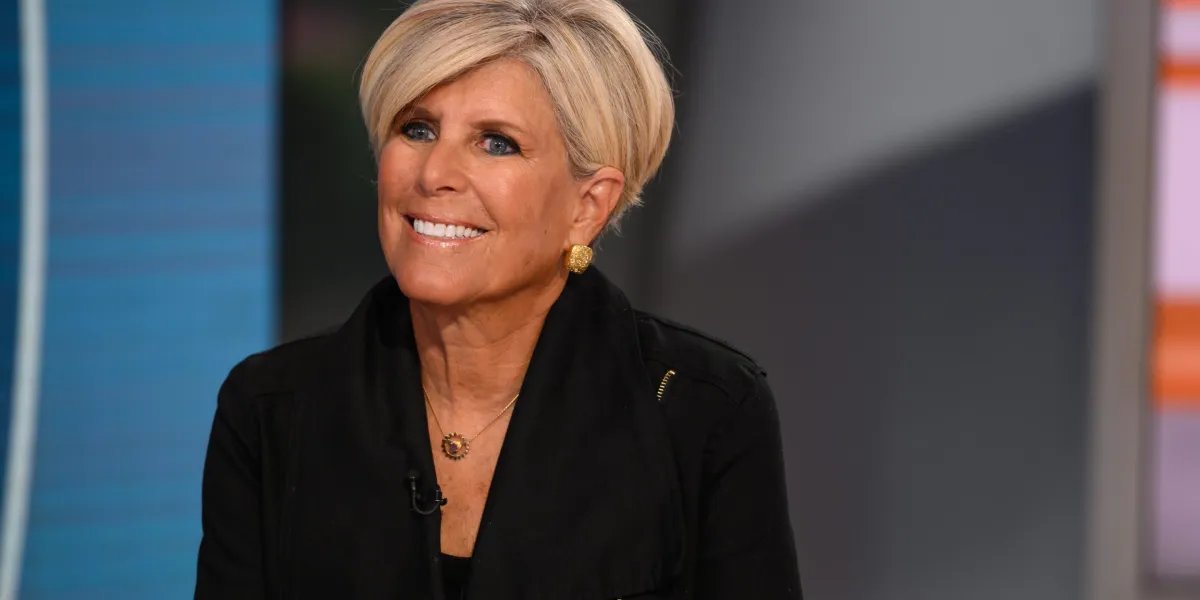
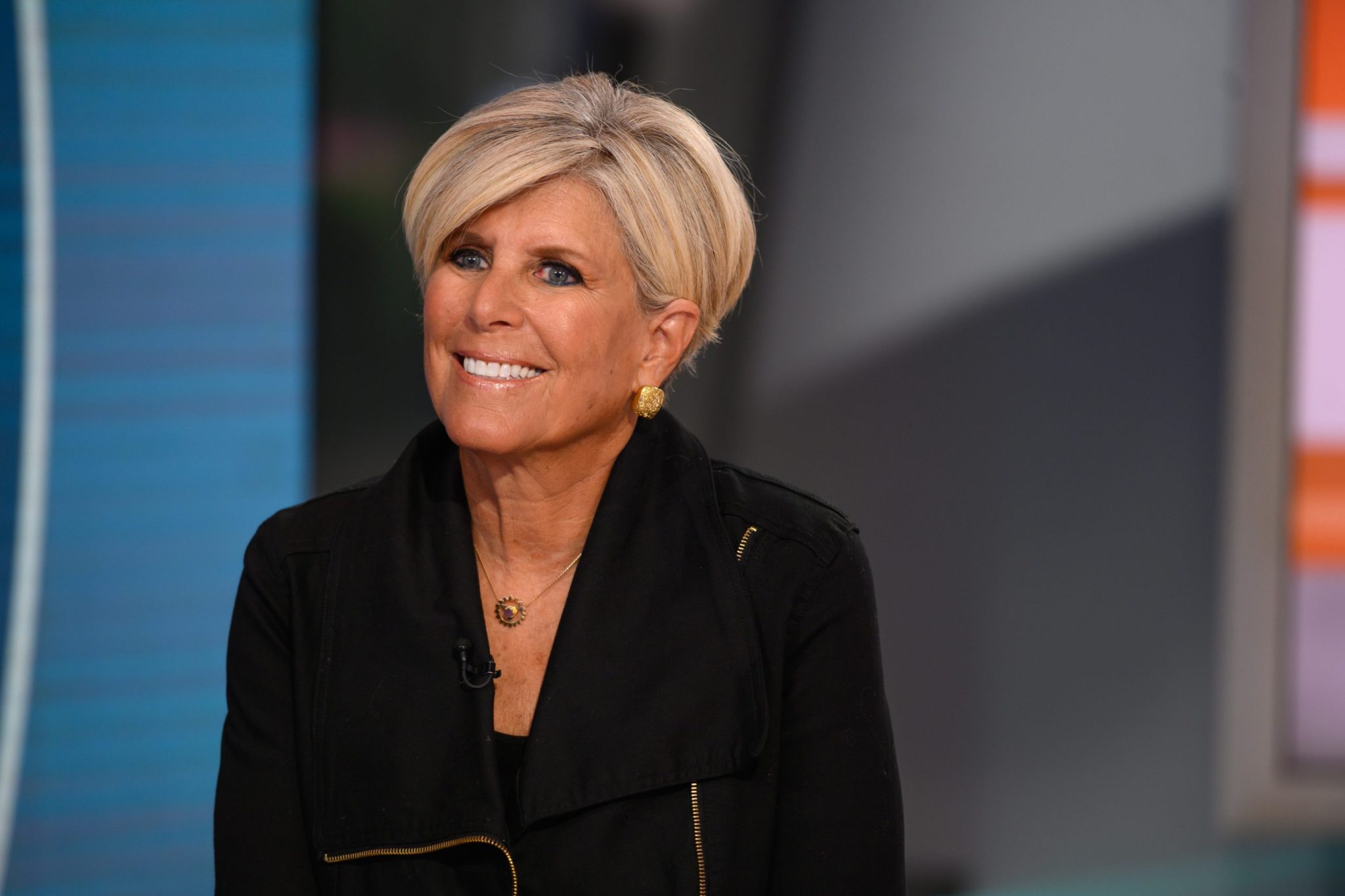
Suze Orman has spent decades as a best-selling author and TV host, teaching people how to invest, save for retirement, and manage their money. She’s also built a fortune of her own, with a net worth in the tens of millions— but there’s one category of spending that has always bothered her: eating out at restaurants, which she has called one of the biggest wastes of money.
“We still to this day eat at home,” Orman said in a recent interview with The Wall Street Journal.
At the time, Orman said her wife had prepared congee rice for lunch and meatloaf for dinner. The couple does eat out occasionally, she said, but usually not because they “want to”—rather, it’s a social obligation when they’re meeting friends. Even then, Orman said she worried about how the bill could affect her friends’ finances.
“If we go out to eat, the deal is we have to pay because I am not going to let people, who I know don’t have the kind of money that we have, waste their money on food eating out,” she said.
Orman’s philosophy on eating out has only become stronger as restaurant prices have climbed. Between December 2024 and December 2025, prices for “food away from home” increased 4.1%, compared with a 2.4% increase for food purchased to eat at home, according to the U.S. Consumer Price Index. Overall consumer prices rose 2.7% during the same period.
“Look up McDonald’s. Look up Taco Bell. Are you kidding me? $23, $30 just to go to McDonald’s for whatever you eat there,” Orman said.
Suze Orman would ‘drop dead’ before buying Starbucks—she’d rather invest that money in her Roth IRA
Orman’s money-saving philosophy doesn’t stop with sit-down restaurants. The 75-year-old has said she also refuses to spend money at coffee shops.
“I do Cafe Bustelo coffee every morning,” she said in 2024. “I would drop dead before I bought a coffee. I do one cup a day and that’s it.”
Her rationale is that seemingly small purchases can add up to substantial sums over time—and that money could instead be invested. Spending $100 on coffee every month, for example, could be put into a Roth IRA and potentially grow into hundreds of thousands of dollars over several decades.
“You need to think about it as: You are peeing $1 million down the drain as you are drinking that coffee,” Orman said to CNBC in 2019. “Do you really want to do that? No.”
But Orman isn’t alone. Kevin O’Leary, the millionaire Shark Tank investor, has similarly emphasized how seemingly small purchases can add up to a major hit to your finances.
“A coffee for five dollars and fifty cents. You go to work, you spend fifteen bucks on a sandwich,” O’Leary said in 2024. “What are you, an idiot?”
“Most people, particularly working in metropolitan cities, are just starting out their jobs, making the first $60,000, piss away about $15,000 a year on stupid stuff,” he added.
Eating out or grabbing a latte won’t derail your finances—as long as you can afford it
Critics argue that being so financially conscious that you avoid every restaurant meal or Starbucks run can miss the bigger point of personal finance: understanding where your money is coming from, where it’s going, and whether your spending aligns with your financial objectives.
If a weekly latte is something you enjoy and can afford—budget for it.
The goal shouldn’t be to eliminate every expense that isn’t essential, it’s to make sure those expenses fit within your broader financial plan.
Orman herself isn’t immune to spending on things she enjoys. She’s admitted she splurges on private air travel—and has owned properties in Manhattan, the Bahamas, and South Africa. O’Leary, too, has spent heavily on designer timepieces, jewelry, and other luxury accessories.