Long before the corner office, the IPO, and the billionaire life, several of America’s best-known executives had the same predawn alarm clock and the same stack of newsprint waiting on the curb.
They all got their start in newspapers, either pedaling routes in the dark, tossing the latest newspaper on the porch, or chasing down customers for payment.
Warren Buffett made some of his first cash by slinging The Washington Post. Tim Cook woke up at 3 a.m. to deliver the Mobile Press Register in Alabama. It taught these future executives some of the values they took all the way to the C-suite.
The paper route teaches “just good, basic business principles,” Ross Perot told the Associated Press in 1995, listing skills like managing inventory, collecting payments, and showing up on time, every day, no matter the weather. The 1992 presidential candidate said he started delivering papers when he was about 12 years old and threw them from his horse in a sand-strewn neighborhood.
The paper route is a relic. Falling print circulation and child labor concerns have handed the job to adults and the Postal Service. But the executives who once had the route haven’t forgotten it—and many say it’s where they learned everything that counts.
Here are five Fortune 500 executives—plus a few honorable mentions—who got their start slinging papers.
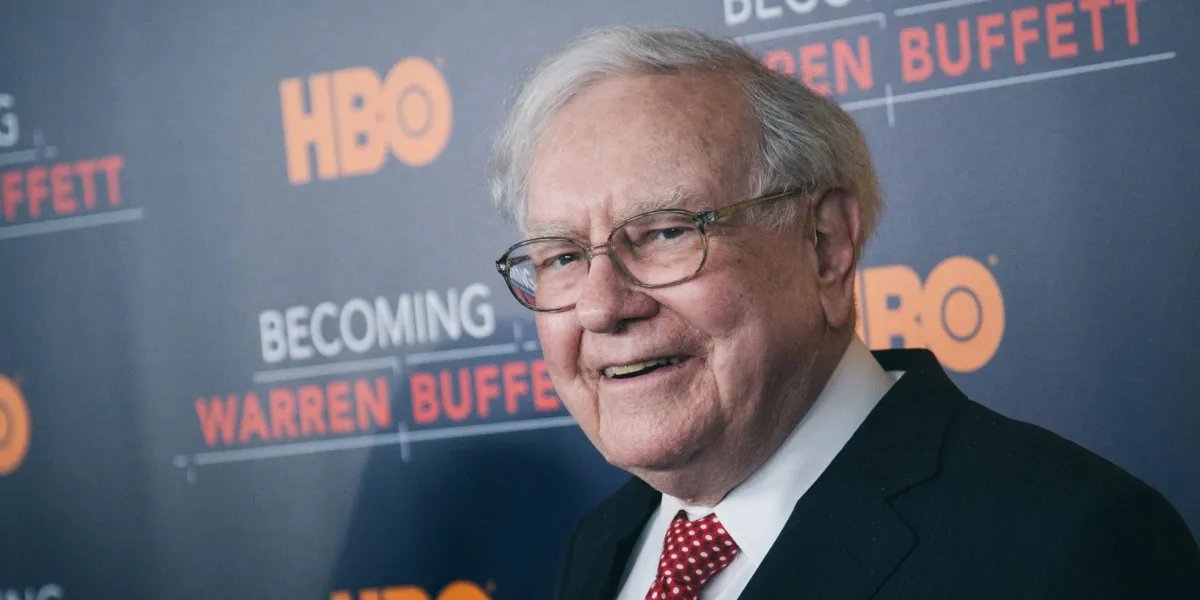
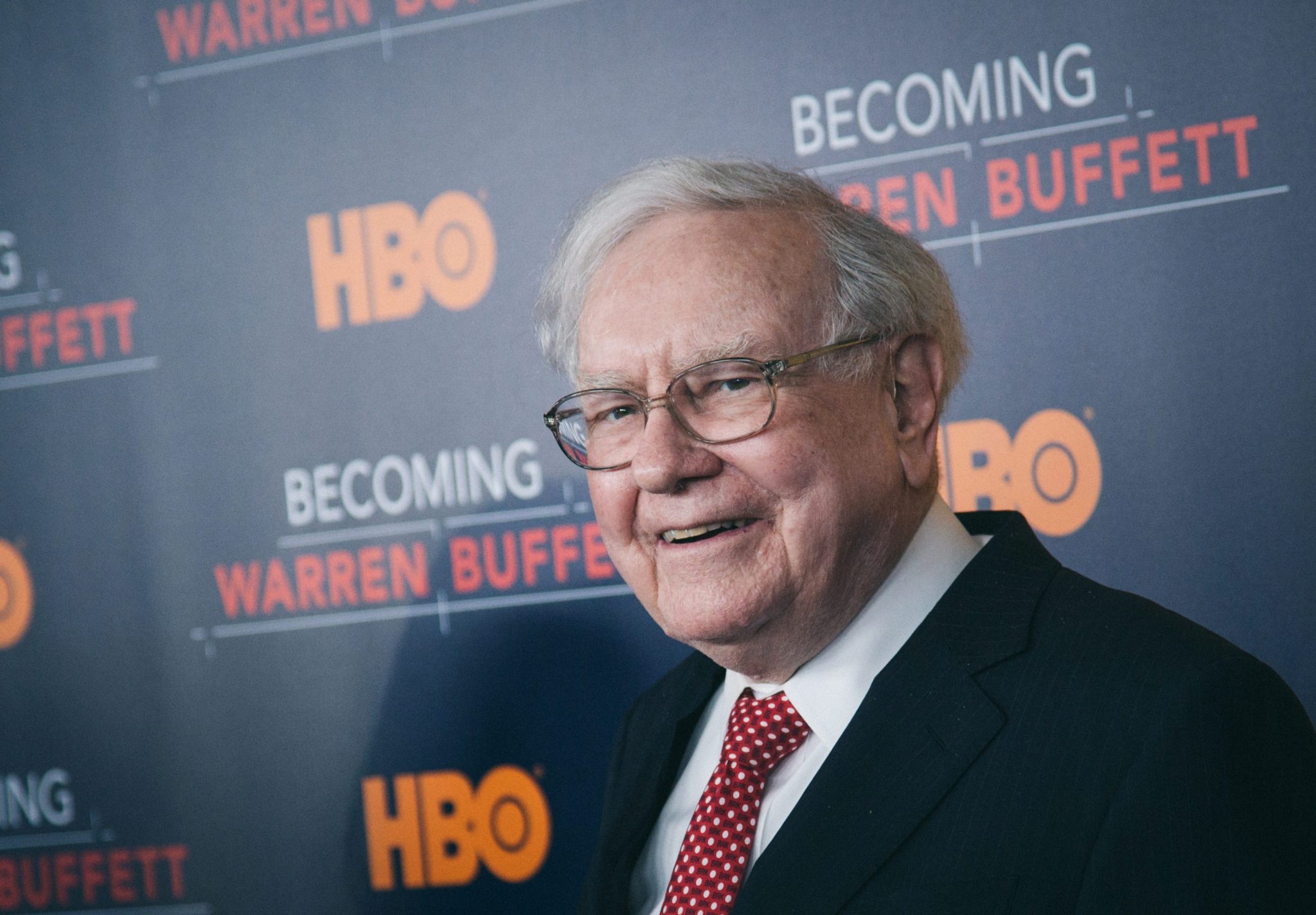
Warren Buffett, Berkshire Hathaway
The Oracle of Omaha started delivering The Washington Post and the Washington Star at 13. By 14, he had multiple routes and was earning $175 a month—more than some of his teachers, according to Alice Schroeder’s Buffett biography, The Snowball: Warren Buffett and the Business of Life.
Buffett, 95, filed his first tax return that year, deducting his bicycle and his watch as business expenses, he told PBS News Hour in 2017. The job, he has said, taught him lessons that aged well.
“You learn a lot about human nature when you deliver papers,” Buffett said. “For one thing, you learn you have to pay for them each month. Whether the customers pay you or not. You have to collect money.”
Buffett was once one of the largest shareholders of the paper he once tossed on doorsteps—and said he even considered buying it when it went up for sale in 2013. Amazon founder Jeff Bezos now owns The Washington Post. Buffett retired as Berkshire Hathaway CEO at the end of 2025 (he still serves as chairman). He’s worth an estimated $141 billion, according to the Bloomberg Billionaires Index.
Tim Cook, Apple
Apple’s outgoing CEO (to be replaced by John Ternus later this year) got his first job at 11 or 12, delivering the Mobile Press Register in Robertsdale, Ala. The paper stopped print publication in 2023.
“Throwing papers helped start my college education,” Cook, 65, told The Wall Street Journal of becoming the first member of his family to attend college. After delivering papers, Cook said he “graduated to flipping burgers” at a local Tastee Freeze for $1.10 an hour, he told the Table Manners podcast. Cook is worth an estimated $3 billion, according to Forbes.
Michael Dell, Dell Technologies
The future PC mogul sold subscriptions to the now-defunct Houston Post as a teenager, and quietly invented the playbook that would become Dell.
Instead of cold-calling, he pulled marriage licenses and new-mover records and sent direct mail to the most likely buyers, earning $18,000 in a year.
“It was an early lesson in direct marketing, for sure,” Dell said at SXSW in 2024.
Walt Disney, the Walt Disney Co.
The animator-to-be and the man would go on to build one of the world’s largest entertainment companies, delivering the Kansas City Star and the Kansas City Times with his brother Roy, starting at age 9.
“When I was 9, my brother Roy and I were already businessmen,” Disney said, according to a Disney archive. “We had a newspaper route…delivering papers in a residence area every morning and evening of the year, rain, shine, or snow.”
They woke up at 3:30 a.m., worked until it was time for school, and “did the same thing again from four o’clock in the afternoon until supper time.”
Walt Disney died in 1966 and, at the time, had a net worth estimated at roughly $100 million to $150 million, which would be about $1 billion to $1.5 billion today. He was the founder and CEO of what became a Fortune 500 company.
Ross Perot, Electronic Data Systems
The Texas billionaire and two-time presidential candidate may have had the most cinematic route of the bunch. As a boy in Texarkana, Perot built a Texarkana Gazette route from scratch in a part of town the paper had largely ignored—and delivered it on horseback, traveling 20 miles a day, he told Fortune in 1968.
Because he had launched the territory himself, he negotiated 70% of the subscription price instead of the standard 30%, and fought the paper when it later tried to claw the cut back, he told Fortune.
In 1962, Perot founded Electronic Data Systems, which was a Fortune 500 company. HP bought EDS in 2008 in a $13 billion deal. Perot died in 2019, and was worth about $4 billion.
Honorable mentions: garbage bags, graveyard shifts, and Big Macs
Not every CEO started by delivering the newspaper.
Mark Cuban got his start at 12 selling garbage bags door-to-door to pay for basketball shoes, and Jeff Bezos worked the breakfast shift as a short-order cook at McDonald’s in high school.
Former PepsiCo CEO Indra Nooyi worked the midnight-to-5 a.m. receptionist shift at her Yale dorm because it paid 50 cents more an hour, and GM CEO Mary Barra got her start at the automaker itself, as an 18-year-old co-op student inspecting fender panels on the assembly line.
While they all had different first jobs, they all shared similar work-life lessons: show up, be on time, and be on time every morning, even when there’s three feet of snow at 4 a.m.