
The Fed, the ECB, and
the Bank of Japan all kept rates on hold last week, just as expected. December
is unlikely to bring any surprises either: unless the Middle East crisis eases,
the base case is a rate hike, except perhaps in Japan, where the huge debt
burden leaves little room for tightening.
But why not act now?
Starting with the Fed,
the case for a hike is already pretty compelling: inflation remains stubbornly
high, hitting
3.6% year on year in September, while US growth is strong (GDP expanded at
a 3.4% annualized rate in Q3 2026, up from 2.2% in Q2) and consumer spending
and investment remain resilient.
Hence, two FOMC
members voted for a 25-basis-point hike.
The rest of the
committee, however, are holding back, apparently wary of what comes next in the
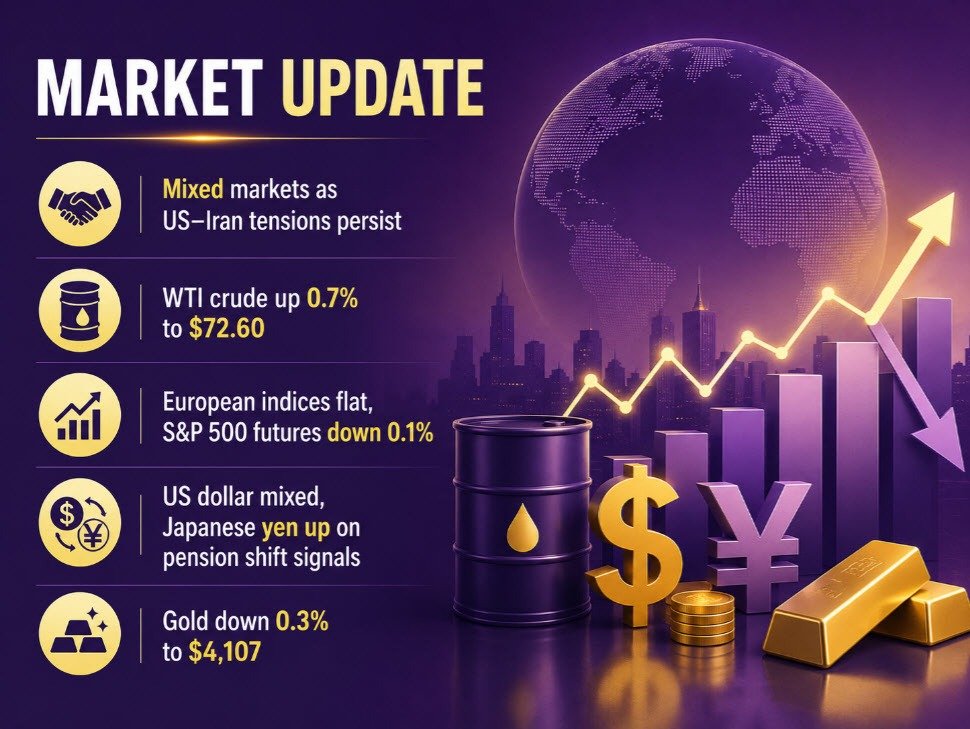
Middle East: whether peace talks gain traction or tensions flare up again. Oil prices remain a key
variable here: any renewed disruption to supply routes or energy
infrastructure could push crude higher, adding to inflationary pressures and
making a rate hike harder to avoid.
And even though
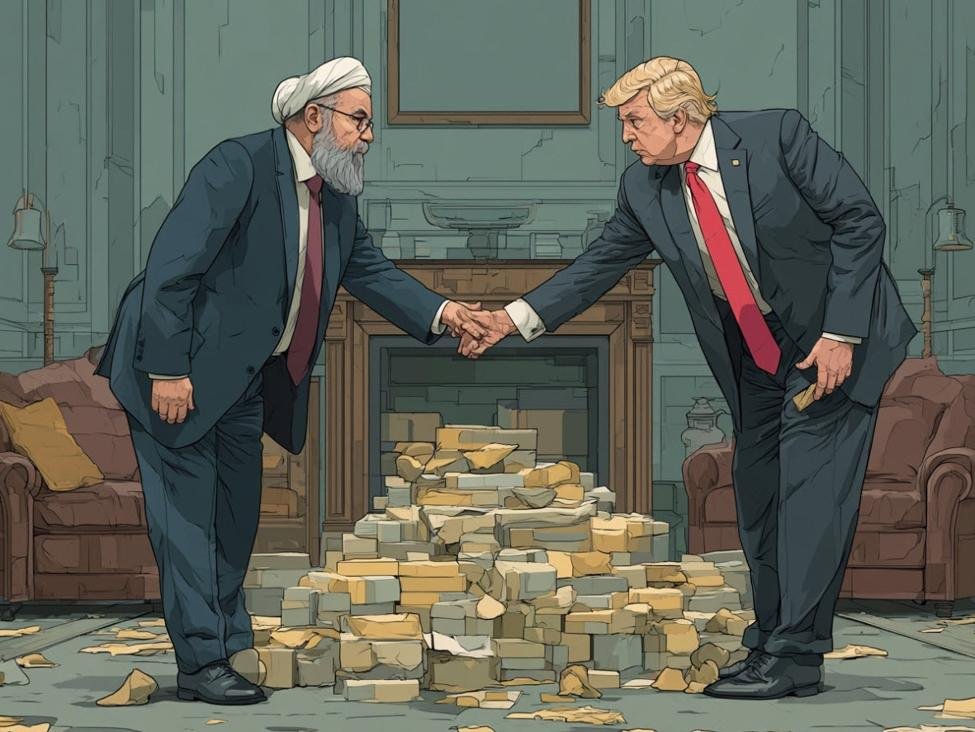
Washington has signed off on a draft deal with Iran, covering mutual
concessions on its nuclear program and frozen assets, there’s still no clear
breakthrough in sight.
As for the ECB, unlike
in the US, consumption remains weak, there’s no AI investment boom, and
inflation is largely driven by energy costs, so it too chose to wait and see
how the situation in the Middle East unfolds.
Finally, the Bank of
Japan warned of fresh inflationary pressures from energy prices, a weaker yen,
wage growth, and global demand for semiconductors and other AI-related
products, thereby increasing the odds of further rate hikes. USDJPY is
one of the key currency pairs to watch, as further yen weakness could fuel
imported inflation and strengthen the case for monetary tightening. The risk is
that this could unsettle global markets, triggering renewed volatility in
currencies as the yen carry trade unwinds, as well as in bond markets.
Where does that leave
us?
If the conflict
escalates beyond sporadic exchanges of fire into full-scale military action,
with fresh strikes on oil refineries and attempts to shut down the Strait of
Hormuz and Bab el-Mandeb, inflation could take another hit, leaving central
banks with little choice but to act.
An easing of tensions,
on the other hand, could give central banks some breathing room, allowing them
to keep rates on hold, or even start cutting. For now, though, markets are
still bracing for tighter monetary policy, keeping pressure on stocks, bonds and
even gold.