State prosecutors on Monday charged a U.S. Immigration and Customs Enforcement agent with assault in the January shooting of a Venezuelan immigrant in Minneapolis, an incident that sparked violent protests at the height of the Trump administration’s immigration crackdown.
The identity of the agent accused of firing the shot, Christian J. Castro, 52, had not been disclosed until Monday. Mr. Castro was charged with four counts of second-degree assault, a felony, and one count of falsely reporting a crime, a misdemeanor.
“His federal badge does not make him immune from state charges for his criminal conduct in Minnesota,” said Mary Moriarty, the Hennepin County attorney.
Officials with the Department of Homeland Security, which has previously questioned state officials’ authority to charge federal agents, did not immediately respond to a request for comment. It was not immediately clear whether Mr. Castro had a lawyer. Court records showed an active warrant for him and a bond of $200,000.
Efforts to reach Mr. Castro by phone and email did not immediately yield a response. A woman who identified herself as his wife said in a phone call that she had no information about the charges.
A state investigation into the Jan. 14 shooting of the immigrant, Julio C. Sosa-Celis, had been stymied by the refusal of federal agencies to share information, including the names of the two agents involved in a chase that preceded the shooting.
Mr. Sosa-Celis, who was shot in the leg, was one of three people shot by federal agents during the immigration crackdown in Minnesota over the winter. Agents also shot and killed two U.S. citizens in Minneapolis, Renee Good and Alex Pretti.
Law enforcement officers are allowed to use deadly force if they reasonably perceive an imminent threat of death or great bodily harm to themselves or someone else.
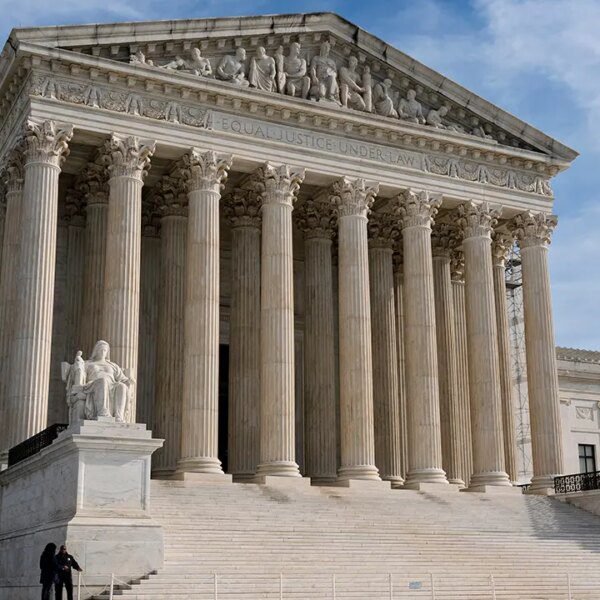
Minnesota prosecutors have acknowledged that they face formidable practical and legal challenges in prosecuting federal agents for on-duty conduct. The Supremacy Clause of the Constitution gives federal officials broad immunity from state prosecution, but Minnesota officials say those protections are not absolute. If Mr. Castro seeks to have the case moved to federal court and a judge agrees, Ms. Moriarty said her office would continue to pursue the prosecution there.
The assault charges carry a minimum prison sentence of three years if convicted.
The Trump administration said the crackdown, known as Operation Metro Surge, would root out illegal immigration and fraud amid insufficient cooperation from state and local officials. Minnesota’s Democratic leaders condemned the campaign as a constitutionally dubious occupation motivated by political animus. Federal judges expressed alarm about some of the administration’s actions.
After the surge, Minnesota’s attorney general and the Hennepin County attorney, both Democrats, took the unusual step of asking a federal judge to make federal authorities provide evidence from all three shootings. That lawsuit is unresolved.
According to the criminal complaint, on the night of the shooting, the F.B.I. and state law enforcement agents jointly interviewed an ICE agent who said he was the partner of the agent who fired his gun. The agent who was interviewed, who was involved in the chase but did not shoot his weapon, identified Mr. Castro, according to the complaint. State officials later subpoenaed Mr. Castro’s medical records from a hospital where he sought treatment, Ms. Moriarty said. She said those records corroborated that Mr. Castro was at the scene of the shooting that night.
Federal officials have not confirmed that it was Mr. Castro who fired the shot. The F.B.I. excluded state agents from the investigation after that first joint interview, prosecutors said.
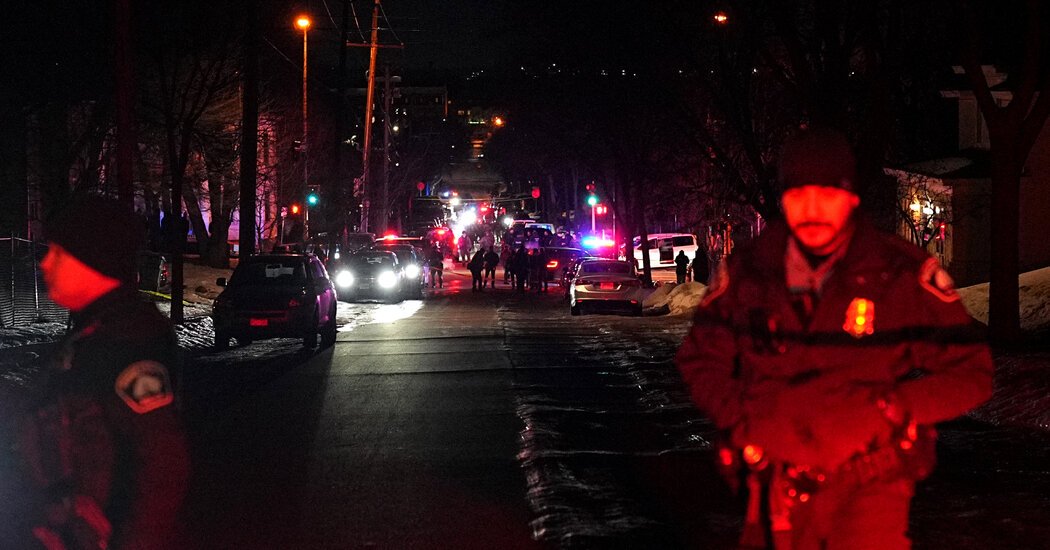
The shooting of Mr. Sosa-Celis, who was in the United States without legal status, touched off hours of violent protests in Minneapolis. Some protesters ransacked the vehicles of federal agents and threw fireworks at officers. The scene became so tense that investigators left before they had finished collecting evidence.
Federal officials initially defended the shooting. The agent encountered Mr. Sosa-Celis after one of Mr. Sosa-Celis’s housemates fled in a car and led agents on a chase to his home.
Federal officials at first described a minutes-long attack on the agent there, with a broom and shovel. Kristi Noem, then secretary of homeland security, described it as “an attempted murder of federal law enforcement.”
Both Mr. Sosa-Celis and the housemate, Alfredo A. Aljorna, who was also from Venezuela and in the country illegally, were charged with federal felonies.
Within weeks, the federal government’s account began to unravel. The charges against both men were dropped, and federal officials said they were instead investigating the agents. Video footage of the incident obtained by The New York Times showed no sustained attack with a shovel and contradicted the agent’s claim of a roughly three-minute beating. The encounter lasted about 12 seconds, the video showed.
The shooting of Mr. Sosa-Celis, who was not seriously injured, happened a few days after another ICE agent shot Ms. Good after a brief confrontation in a residential neighborhood. Later in January, federal agents killed Mr. Pretti, a nurse at the local Veterans Affairs hospital.
The two killings sparked protests in Minnesota and beyond. Todd Blanche, now the acting attorney general, said in late January that the F.B.I. would investigate Mr. Pretti’s killing alongside lawyers from the Justice Department’s Civil Rights Division.
The Department of Homeland Security has said that the agent who shot Ms. Good acted in self defense. Federal prosecutors in Minnesota sought to open a civil rights investigation into that shooting, but were overruled by senior administration officials, who instead instructed prosecutors to investigate the activism of Ms. Good’s partner. Several prosecutors resigned in protest.
Ms. Moriarty said on Monday that her office was continuing to investigate the shootings of Ms. Good and Mr. Pretti, but she provided no timeline for charging decisions in those cases. In an interview, Ms. Moriarty said her office was investigating more than 30 additional incidents of possible criminal misconduct by federal agents.
Mr. Castro is the second immigration agent to be charged by Ms. Moriarty’s office over actions this winter. In April, Ms. Moriarty charged Gregory Donnell Morgan Jr. with assault, saying the agent had pointed a gun at motorists along a state highway in February. Mr. Morgan, 35, of Maryland, has an active warrant for his arrest, court records show.
Kitty Bennett contributed research.