The latest developments in the Iran–US–Israel conflict show a clear divide between public posturing and behind-the-scenes diplomacy, with both sides maneuvering for leverage rather than signaling a clean path to resolution. On the surface, Iran is taking a firm and defiant stance. Foreign Minister Abbas Araghchi has reiterated that Iran is not seeking war but will not engage in direct talks with the US, insisting that any resolution must include a permanent end to hostilities, guarantees against future conflict, and compensation for damages. This message has been consistent across officials, with Tehran emphasizing that indirect communication through mediators does not constitute negotiation and that any agreement must come on its terms—not under pressure from Washington.
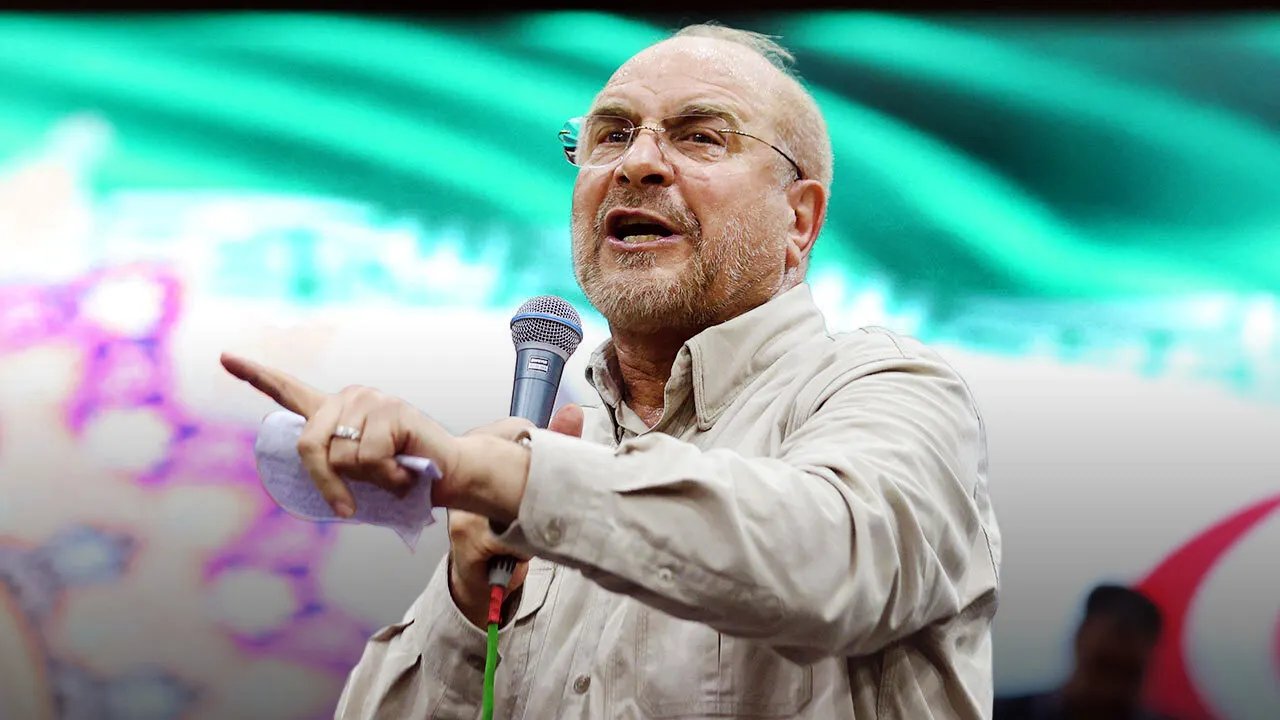
At the same time, Iran is reinforcing its deterrence posture. Parliamentary Speaker Mohammad-Bagher Ghalibaf warned that any ground incursion—particularly involving regional actors—would trigger severe escalation, including potential strikes on critical infrastructure. Iran has also broadened its threat framework to global trade routes, signaling it could disrupt the Bab el-Mandeb Strait if attacked, adding to its existing leverage over the Strait of Hormuz, which remains partially open but tightly controlled. Shipping flows are being selectively allowed, with “neutral” countries gaining passage while US- and Israel-linked vessels face restrictions. This controlled access underscores Iran’s strategy of using chokepoints as economic and geopolitical leverage without fully shutting them down.
Despite the hardline rhetoric, there are increasing signs of quiet diplomatic movement. Reports indicate the US is working through intermediaries—primarily Pakistan, with Turkey also in the mix—to arrange potential talks that could provide an off-ramp. Senior US officials, including Vice President JD Vance and other top negotiators, are expected to be involved. Iran has not formally rejected proposals and may be open to discussions, although it continues to reject the idea of a temporary ceasefire. This suggests a gap between Iran’s public stance and possible private flexibility.
Meanwhile, the US is projecting confidence and pressure simultaneously. The White House says it is close to achieving its military objectives, with operations ahead of schedule and Iran’s missile activity reportedly declining. Officials claim Iran is looking for an “exit ramp,” though that characterization conflicts with Iran’s public messaging. The US has also reportedly engaged in “productive talks” in recent days, reinforcing the idea that diplomacy is active but fragile. At the same time, the rhetoric remains aggressive, with warnings that failure to reach a deal could lead to severe escalation.
Adding another layer of pressure, reports suggest that the US and Israel have temporarily removed key Iranian officials—including Araghchi and Ghalibaf—from potential target lists for several days. This appears to function as a coercive signal tied to negotiations, effectively offering a short window for diplomacy while implicitly threatening consequences if talks fail. While this may increase pressure on Iranian leadership, it also complicates their domestic position, as any concession could be seen internally as being made under duress.
In parallel, Israel is reportedly operating under a narrowing window, aiming to maximize military impact in the near term, particularly against Iran’s weapons infrastructure. This adds urgency to the timeline and raises the risk of further escalation before diplomacy can take hold.
Bottom line: The situation is a high-stakes balancing act. Iran is signaling strength and conditions publicly while keeping limited diplomatic channels open, and the US is combining military pressure, coercive signaling, and backchannel negotiations. The next few days—especially any proposed talks—will be critical in determining whether this shifts toward de-escalation or moves closer to a broader conflict.
In markets, the uncertainty is reflected in energy prices, with oil trading near highs for the day, but still down on the day as traders weigh the risks to supply routes and potential disruptions. Iran’s partial easing of restrictions in the Strait of Hormuz has provided some relief, but conditions remain tight and unpredictable. The price of oil is down -$1.12 or -1.23% at $91.23. The high for the day was at $91.73. The low was much lower at $86.46.
US yields moved lower despite much higher than expected import and export prices for the month. Are traders pricing in lower growth as the impact from the war linger and linger and linger..
US import and export prices surged in February, signaling a broad-based pickup in inflation pressures even before the latest geopolitical tensions began on February 28th. Import prices rose +1.3% vs +0.5% expected, the largest monthly gain since March 2022, with nonfuel imports up a strong +1.1%, showing that the increase wasn’t just about energy. Gains were widespread across capital goods, industrial supplies, consumer goods, and autos, with notable strength in machinery, semiconductors, and metals—suggesting both supply pressures and possible tariff front-running.
On the export side, prices climbed +1.5% vs +0.5% expected, the biggest increase since May 2022, with year-over-year growth at +3.5%. Energy played a role, but industrial supplies and metals also saw strong gains, while export prices to Canada jumped sharply. Overall, the data points to rising global price pressures and improving U.S. pricing power, reinforcing concerns that inflation could reaccelerate, especially with added risks from the ongoing war.
PS Import and export prices do not reflect the impact of tariff on prices.
The yield curves currently shows:
- 2 year yield 3.883%, -5.3 basis points
- 5 year yield 3.971%, -5.9 basis points
- 10 year yield 4.326%, -6.6 basis points
- 30 year yield 4.894%, -4.5 basis point
The yield decline also came after the 2nd consecutive poor coupon auction. Today the U.S. Treasury sold $70 billion of 5 year notes with a tail of 1.4 basis points. The comes after the 2 year note auction which was equally as poorly received by investors.
In the US stock market, the markets also look past the negative, focusing on a potential positive from a cease-fire:
- Dow industrial average +0.66%
- S&P index +0.54%
- NASDAQ index +0.77%
In the currency market, the dollar moved higher despite lower yields.
The biggest gainer was against the AUD (-0.66%) and the NZD (-0.53%). The greenback rose by 0.55% vs the JPY and .50% vs the CHF. It rose by 0.4% vs the EUR and the GBP as well.