ANZ New Zealand Business Confidence rose 21 points to +10 in May but remained well below pre-conflict levels, with cost expectations near record highs and retail and construction activity still contracting.
Before you go on, the bigger news ICYMI:
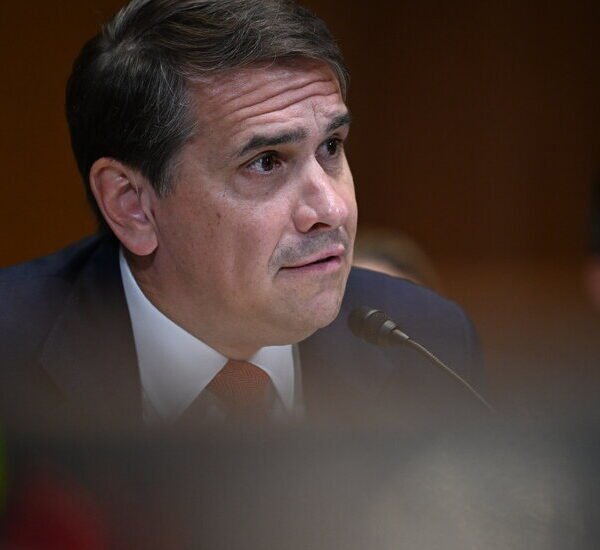
Reserve Bank of New Zealand Governor Anna Breman.
Summary:
- ANZ-Roy Morgan Business Confidence rose 21 points in May to +10, recovering from -10.6 in April, though remaining well below levels prevailing before the Middle East conflict, per ANZ Research
- Expected own activity rose 6 points to 25.6, with manufacturing the standout at +28 and retail the laggard at +8, per ANZ Research
- Cost expectations held at 90.4% of firms reporting higher costs, unchanged from April, with agriculture hitting 100%; three-month cost expectations eased from 4.57% to 4.08% but remained well above pre-conflict levels, per ANZ Research
- Inflation expectations for the year ahead eased from 3.81% to 3.63%, while pricing intentions fell 1 point to 56.7, per ANZ Research
- Employment intentions recovered from -2.7 to +3.4, though reported employment versus a year ago fell from +3.0 to -5.2, with retail and construction both in contraction, per ANZ Research
- ANZ Research noted wage intentions were little changed and showed no signs yet of the price shock morphing into broader core inflation pressures, though indicators have only come back into line with RBNZ forecasts rather than suggesting downside risks
New Zealand business confidence staged a partial recovery in May, rising 21 points to +10 in the ANZ Business Outlook survey, though the result leaves sentiment well short of levels seen before the Middle East conflict upended the global cost environment.
The improvement was uneven across sectors. Manufacturing led with a confidence reading of +26, while agriculture and services also recovered. Retail remained a weak point, with activity versus a year ago falling into negative territory alongside construction, which has been contracting for several months.
Cost pressures showed little sign of easing. The net proportion of firms reporting higher costs held at 90.4%, unchanged from April, with agriculture reaching 100%. The gap between what businesses expect to pay and what they can charge customers remains wide, continuing to compress profit margins across most sectors. Profit expectations recovered from -13.3 to +2.0, but the underlying squeeze is evident.
Wage intentions were broadly steady and remain below pre-conflict levels, which ANZ Research said is consistent with a soft labour market and firms limiting cost increases where possible. No clear evidence of second-round inflation effects has emerged yet, though the bank cautioned it is early to draw firm conclusions. Freight disruption data, reintroduced to the survey this month, flagged emerging stress in retail inbound and manufacturing outbound shipping channels.
—
The bounce in confidence is real but narrow, and the cost picture offers little comfort for the RBNZ. With cost expectations holding at 90.4% and agriculture hitting 100%, the inflation pipeline remains pressurised even as headline inflation expectations eased slightly. The gap between what firms expect to pay and what they can charge continues to compress margins rather than feed through cleanly to prices, which complicates the inflation signal. Wage intentions were little changed and remain below pre-conflict levels, giving the RBNZ’s monetary policy committee limited evidence of second-round effects so far, though ANZ noted it is early days. The freight disruption data, reintroduced this month, flags emerging stress in retail inbound and manufacturing outbound shipping that could add to cost pressures in coming months if the Middle East situation persists