A Lebanese cease-fire is neither war nor peace, signed on paper and not in effect, covering selective territory. On the Lebanese side, the parties that sign are often not the parties that instigated the violence. The state binds itself to agreements on behalf of an actor it can neither compel nor control. A Lebanese cease-fire is a document about the cessation of violence that leaves intact every internal mechanism that produced it.
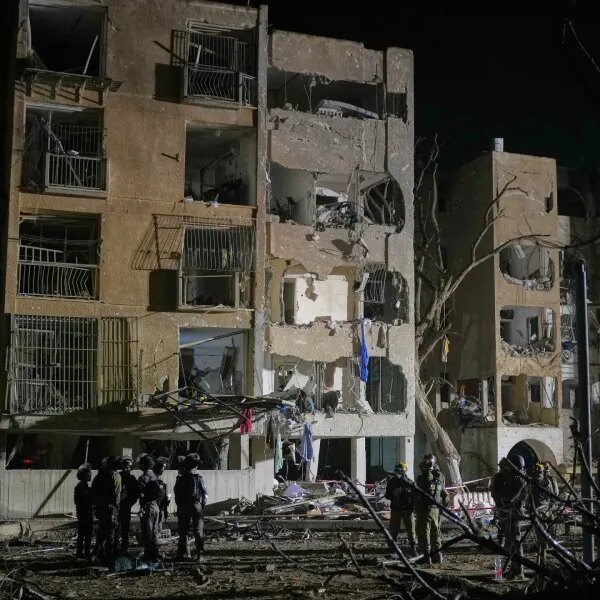
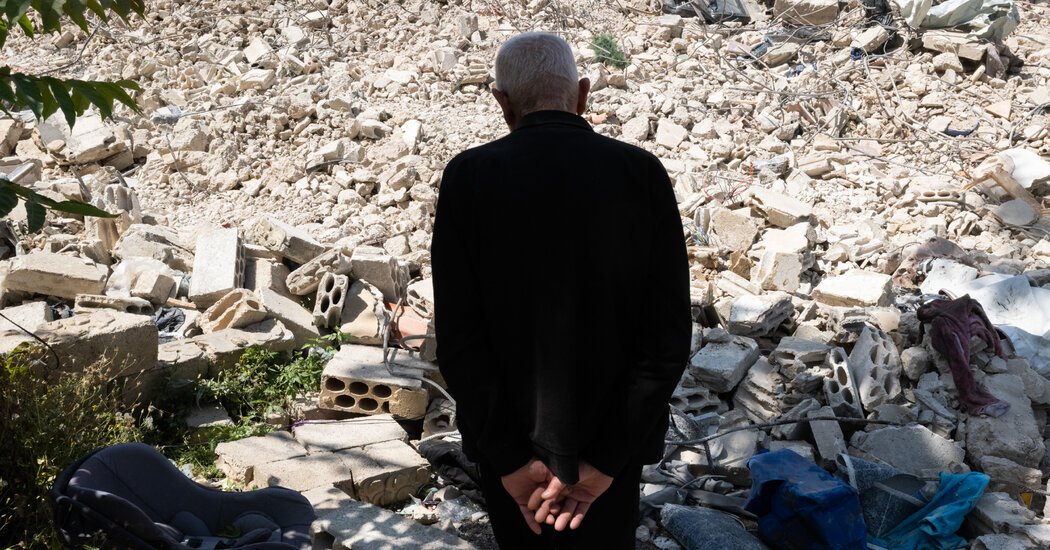
The latest agreement is a case in point. Hezbollah shot rockets into Israel to avenge the killing of Ayatollah Ali Khamenei during the Israeli-U.S. war on Iran, Hezbollah’s main backer. Israel responded with all its might, hitting multiple targets in Beirut, razing to the ground — and eventually occupying — several villages in southern Lebanon and killing hundreds of Lebanese. But it was the Republic of Lebanon that signed a cease-fire brokered by the United States, which called for Lebanon to take “meaningful steps to prevent Hezbollah” from attacking Israel. The Lebanese government had made a similar pledge in 2006, and again in 2024, despite the Lebanese Army’s having little ability to take on Hezbollah.
Empty cease-fires are, of course, not unique to Lebanon. Short-lived truces in Russia’s war on Ukraine, and often-broken ones in the Gaza war and in the U.S.-Israeli war against Iran, have shown how cease-fires get stripped of their meaning. President Trump’s statecraft in his second term has made cease-fires instruments of crisis management, not conflict resolution, according to Gopi Krishna Bhamidipati, at the New Lines Institute for Strategy and Policy in Washington.
But the problem predates the second Trump presidency. A November 2024 cease-fire agreement — which also stipulated that Israel stop offensive operations on Lebanese territory against the Lebanese state and that the Lebanese Army retain sole control of weapons in the country — was negotiated by seasoned diplomats serving under President Biden. That truce officially lasted for 15 months, during which time the United Nations documented more than 7,500 Israeli violations of Lebanon’s airspace and nearly 2,500 ground violations, and the killing of at least 197 civilians. U.N Security Council Resolution 1701, which was signed to end the 33-day war between Hezbollah and Israel in 2006, under the auspices of President George W. Bush, was punctuated with violations for two decades.
When the latest cease-fire was announced, I thought that things would be different. The Lebanese government, after being a bystander in past cease-fires, was finally acting on its own behalf. Hezbollah, the Shiite militant and political organization that wielded great power in Lebanon, was not speaking in our name. We had new leaders, competent, young, technocratic. The Lebanese state, technically still at war with Israel since an armistice was signed in 1949, was openly talking of peace, a taboo subject until now.