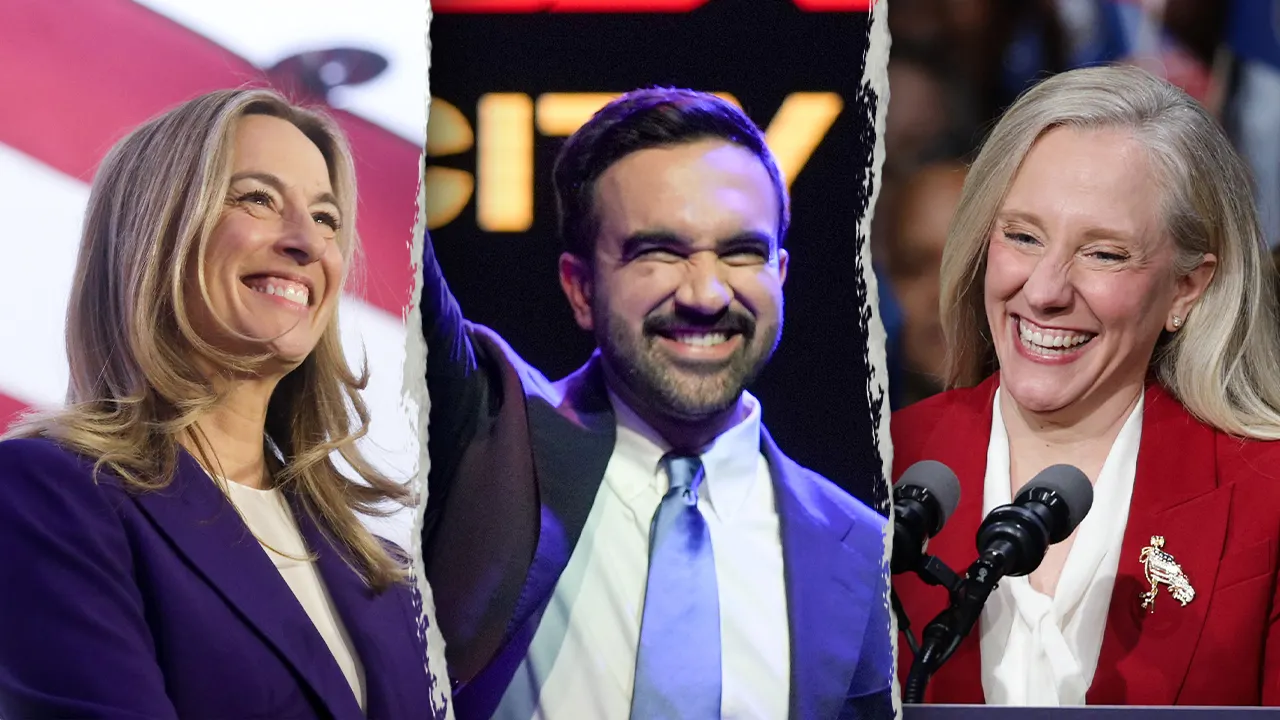
“I think that during lockdown, of course, rhetoric in that time is not rhetoric that we would use today,” Ocasio-Cortez told Karl. Mamdani, asked by my colleague Lulu Garcia-Navarro to respond to D.S.A. criticisms of Jessica Tisch, responded, “In the many words that you were describing our police commissioner with, the two most important, I think, were ‘very successful.’ ”
The problem the right faces in 2026, and will face in 2028, is closer to the problem the left faced after 2020: Through Musk, it dominates X, and so it has fully exposed itself to the reality-warping, prudence-dissolving effects of the X hothouse. In dismantling Twitter’s guardrails against outright racism and anti-Semitism, Musk has filled the right with Groypers and white supremacists who will be a constant problem in Republican politics for years to come. Democrats paid a price for forming their politics on Twitter; the right will pay a price for forming theirs on X.
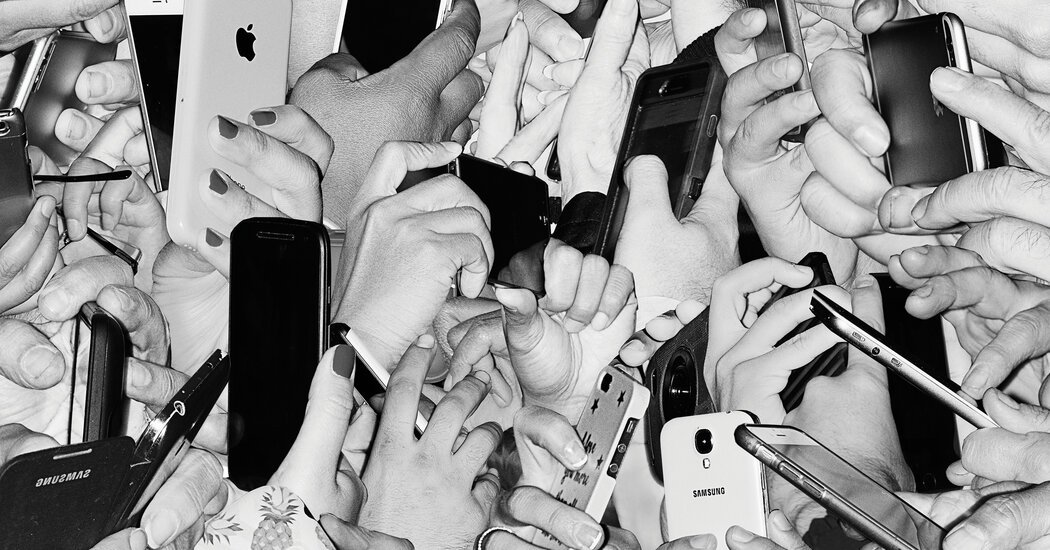
This is, I guess, the point in the column where I should call for everyone to abandon X. I have not posted regularly there in years, and I’d urge others to limit their use as well. Nor have I taken up BlueSky or Threads. I find that much time spent on any of these platforms shapes me in ways I don’t want to be shaped. All of these platforms create a feeling of being informed and connected that is fundamentally false. You learn too many of the wrong things and spend too much time in the company of the worst people. An hour spent with a newspaper, a magazine or a book, or in conversation with another human being or listening to people on a podcast, is far more valuable.
But I’ve never been comfortable calling for those kinds of all-or-nothing boycotts. If you think, for your reasons, you need to be on these platforms, or should be on them, or want to be on them, so be it. It’s not like Instagram or TikTok are spotless alternatives, and receding completely from the algorithmic sphere is often unrealistic. My approach to all these places is roughly Frodo’s approach to the Ring: I try to be there as little as possible, and recognize how badly I feel immediately afterward.
Lippmann, famously, never found a satisfying answer to the problems he posed in “Public Opinion.” There isn’t one. The best we can do is maintain a constant awareness that the world in our minds is not the world as it is, and we must be vigilant about how our representation of it is shaped.