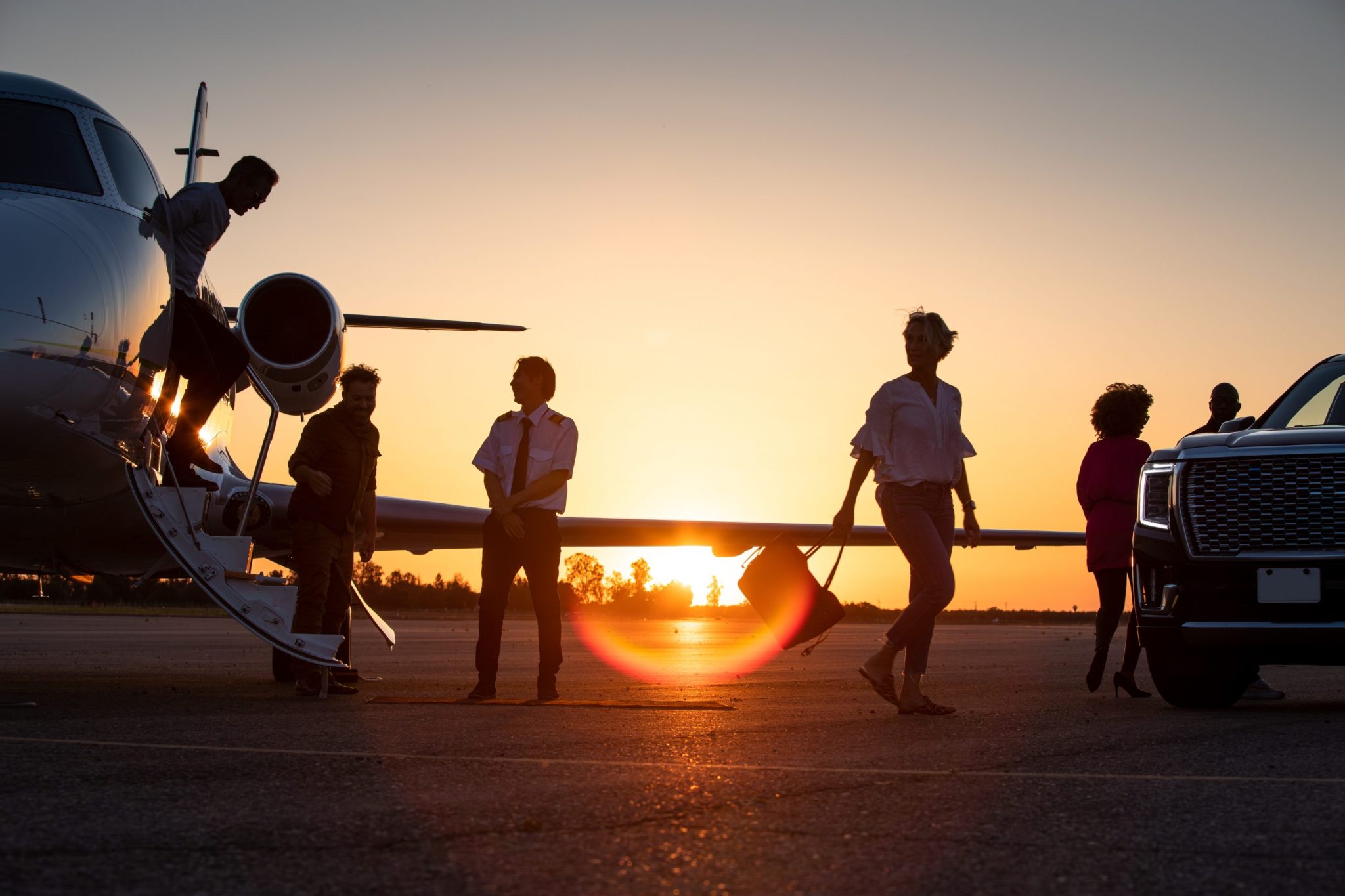
Things like skipping the flight, taking the train, and eating less meat can help reduce one’s carbon footprint. But even with all that personal effort, somewhere above, a jet might be in the air.
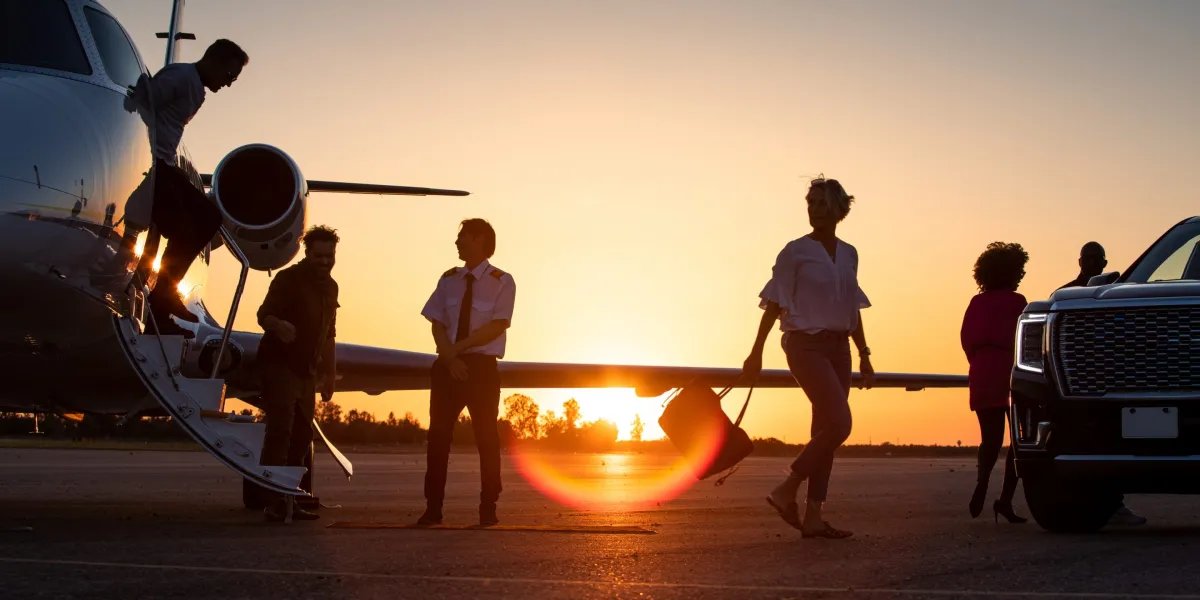
And private jets are some of the biggest sources of carbon emissions. According to a new Oxfam report, the 8 million people who make up the world’s richest 0.1% are responsible for more carbon pollution than the poorest 3.5 billion people combined. In the U.S., the report found that the richest 0.1% emit 108 times more carbon dioxide per person than the poorest half of the country, and a lot of it has to do with private aircraft.
Oxfam calls private aviation one of the clearest examples of that inequality: all of the world’s private jets combined emit more carbon pollution in two seconds than someone in the poorest half of humanity does in a year. It estimates private jets emitted 16 million tons of CO2 in 2025. “It’s basically all about plane travel,” Gernot Wagner, a climate economist at Columbia Business School, told Fortune.
Oxfam, a global confederation of groups working to end poverty and named for the Oxford Committee for Famine Relief, argues that private jets allow those with the most money the ability to escape disasters.
For everyone else, the consequences can arrive through damaged homes, disrupted food supplies, and insurance they can no longer afford. “The ultra-rich are setting the planet on fire and then charging the rest of us for the extinguishers,” Oxfam International executive director Amitabh Behar said in a statement.
The report, which was released ahead of the COP31 climate summit in Türkiye, looks at how wealth shapes both who causes emissions and who can survive the consequences. Fisher argues it also shows the limits of treating climate change as a problem shoppers can solve.
“We individually—while we can do small things to make our personal little corners of the world better—we cannot solve these problems without the system changing,” Dana Fisher, a professor at American University who studies climate action, told Fortune.
What happens in a disaster
A disaster can strike a whole city and leave people in very different places.
Wagner pointed to how a blackout like the one Hurricane Sandy caused in Lower Manhattan in 2012 could send someone to a shelter, while a wealthier person could hop on a private jet and leave the city.
“The rich are always going to adapt. It’s the poor who suffer,” he told Fortune.
For households with less to spare, the damage lasts well beyond the emergency. Rachel Carle, senior advisor on climate justice at Oxfam America, pointed to food supply disruptions and the struggle to find affordable insurance in exposed communities. The poorest fifth of U.S. households already spend a third of their income on food, she noted.
“Those shocks hit the poorest in our communities the hardest,” she told Fortune.
Wagner said those costs reach household budgets in more than one way. Fossil fuel prices have driven much of this year’s inflation, he said, and the same fuels are heating the planet, while extreme weather adds its own pressure by disrupting production and pushing prices higher.
“They’re maximizing for profit and not necessarily human need,” Carle said, adding that communities most vulnerable to climate disasters “are not always the communities that are receiving the bulk of disaster preparedness and recovery funds.”
Oxfam is calling for taxes on wealthy polluters, fossil fuel companies, and high-emitting luxuries such as private jets, and for more funding to help poorer countries adapt. Wagner said the design of these policies matters because the size of a tax and what it covers determine the incentive to change behavior.
“Will we solve climate change simply by taxing private jets? Of course not,” he said. “But would that be an obvious starting point? Yes, I’d like to think so.”
The National Business Aviation Association, which represents more than 10,000 company and professional members, did not respond to Fortune’s request for comment by the time of publication.
In a statement to Fortune about a separate September report from the Institute for Policy Studies, which focused on private jets’ tax treatment rather than emissions, NBAA Interim Chief Operating Officer Dan Hubbard said, “Our industry pays several taxes and fees, including a pay-at-the-pump fuel tax.”
“We pay more in taxes when we fly more–just like car users do through a fuel tax,” he said.