Two of the most valuable companies in history are about to go public, and because of their sheer size, they may fundamentally alter what sits inside millions of Americans’ retirement accounts. With SpaceX’s IPO also sparking index providers to change the rules on how stocks are added to major stock market indexes (like Nasdaq or the S&P 500), you may soon feel the effects of the IPO much faster than you would have otherwise.
Index funds are usually the backbone of most 401(k)s, and because they’re obligated to buy whatever is in the index, changing the rules may be the mechanism that forces one’s exposure to a new IPO, such as SpaceX’s, and eventually Anthropic’s. But simply because SpaceX and Anthropic are so enormous at their debut (SpaceX at $1.77 trillion as of Wednesday and Anthropic expected at nearly $1 trillion), index providers can’t necessarily leave them out. So they’ve shortened or even eliminated the seasoning period, meaning your 401(K) will reflect their presence in the stock market that much sooner.
While market bulls eagerly await their opportunity to purchase stocks the second they become available, others warn that the safeguards were in place for a reason, and without them, there could be a serious threat to people’s retirement nest eggs.
“We put in place guardrails after the dot-com bubble for a reason,” Elizabeth Wilkins, director of the worker power and economic security program at the Roosevelt Institute, told Fortune. “Because we remembered that there’s real downside risk to tying retiree savings to the fortunes of not only corporate America generally, but specifically the tech sector.”
A major IPO filing
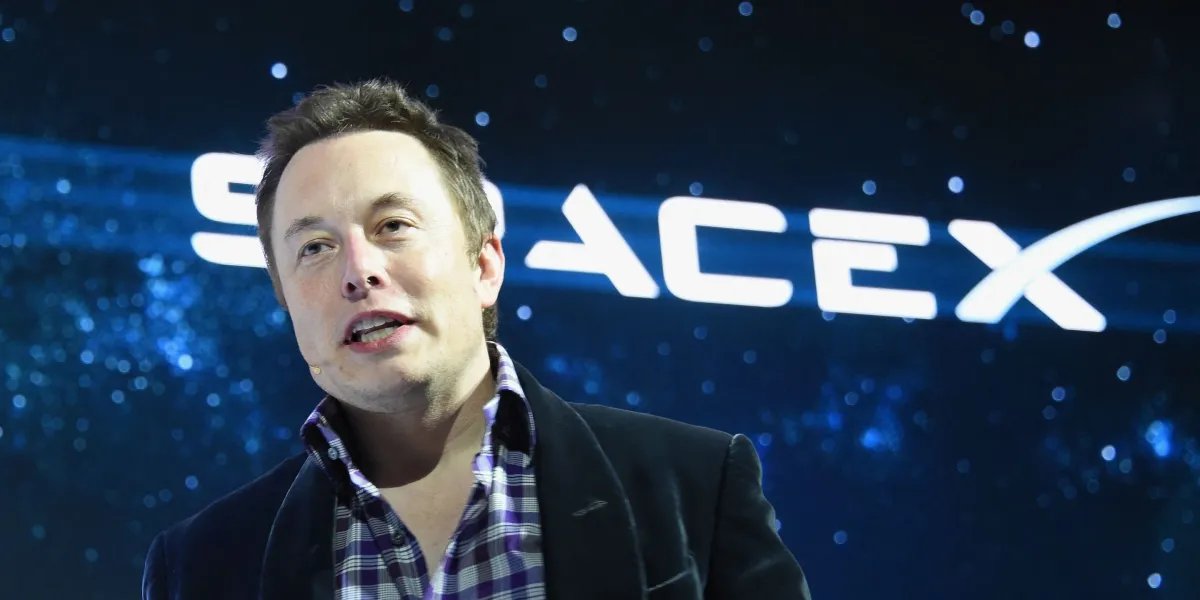
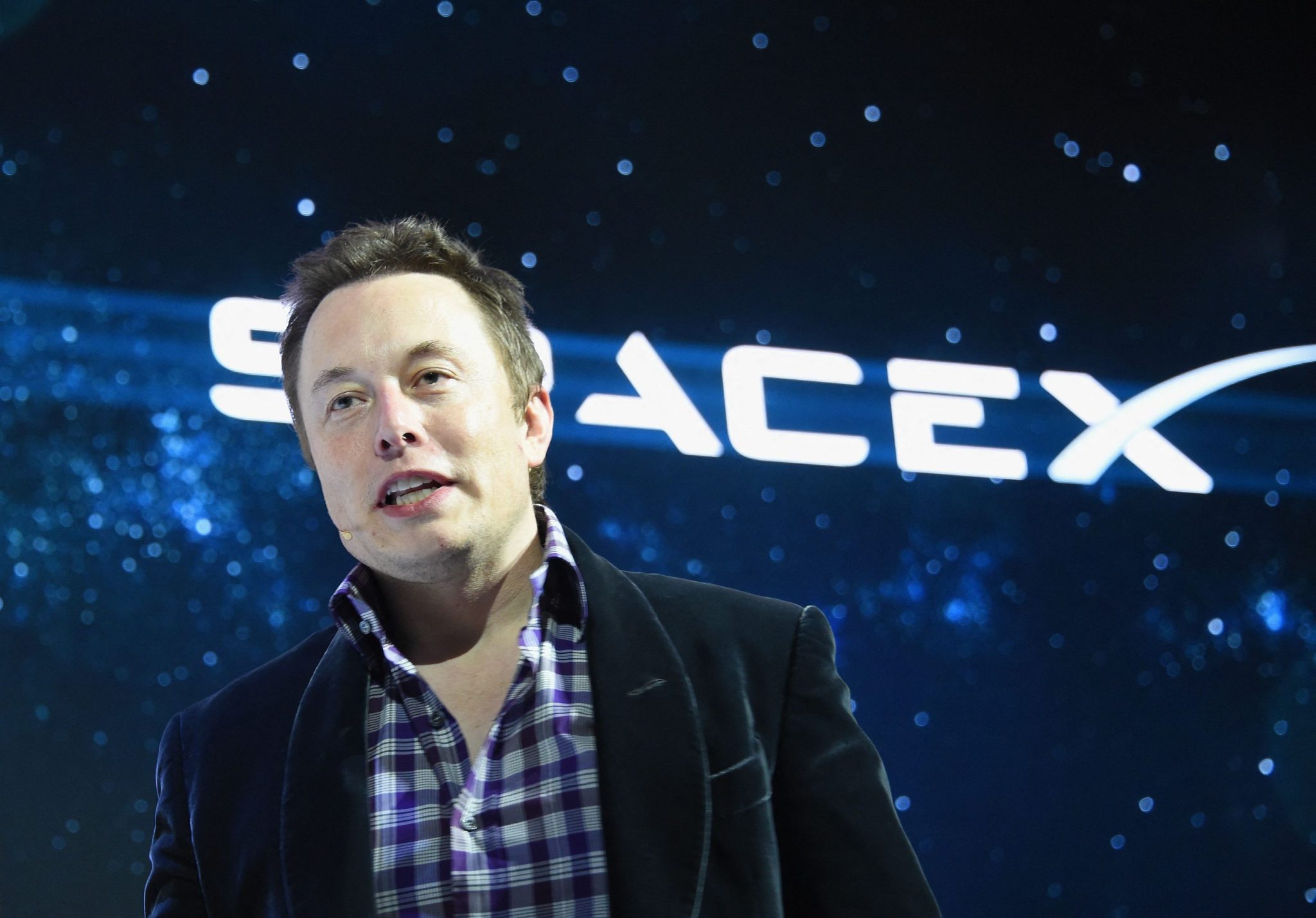
Anthropic, which confidentially filed its IPO prospectus with the SEC on Monday, was most recently valued at $965 billion following a $65 billion fundraising round in late May that even topped rival OpenAI. Elon Musk’s SpaceX, meanwhile, launched its roadshow this week, at a valuation of $1.77 trillion, which would make it one of the most valuable companies on earth essentially overnight. Companies of that magnitude are impossible for index providers to ignore, which, in turn, recognizing they cannot afford to leave two near-trillion-dollar companies sitting on the sidelines, are already rewriting the rules to pull them in faster.
Several major stock market index providers, including Nasdaq and FTSE Russell, have recently changed or adopted fast-entry rules that could allow companies like SpaceX to be added to major indexes much sooner than they typically would, after as few as five trading days under FTSE Russell’s new standard, or 15 under Nasdaq’s. Even S&P Dow Jones Indices has reportedly been weighing similar changes. The practical consequence is that the funds that track those indexes may be forced to buy shares in both companies shortly after their debuts, meaning ordinary retirement savers could end up with significant exposure to both whether they chose it or not.
Those rules existed for a reason. After the dot-com crash, index administrators required companies to trade publicly for a set period, and often show profitability, before inclusion. Tesla was public for about 10 years before joining the S&P 500.
Wilkins sees the changing of the rules for companies like Anthropic and SpaceX as a red flag. “In a moment of extreme uncertainty, instead of continuing to rely on those rules to make sure that people are protected from downside risk, we’re dismantling them.” She drew a direct parallel to a separate Department of Labor proposal that would allow increased investment of retirement savings in private credit and private equity, part of a broader pattern, in her view, of capital markets’ appetite outrunning protections for ordinary savers. “We are allowing the kind of insatiable hunger for capital to erode our safeguards for ordinary savers.”
She added the caveat that only about six in 10 Americans own retirement accounts at all, meaning SpaceX and Anthropic’s public debuts affect only a select few in the population, who may be better positioned to weather whatever short-term turmoil may occur in their 401(k)s. “We’re actually really already only talking about the most financially secure Americans to begin with, based on the way that we have created our retirement system,” Wilkins said.
“The basic framing that the everyday saver should get to enjoy the rewards of corporate America has allowed companies like SpaceX to say that everything they are doing is good for everyday savers,” she said. “When really there are seriously divergent interests, especially when risk is extreme.”
Jesse Fried, a Harvard Law School professor whose recent paper on AI corporate governance scrutinizes the governance structures of OpenAI and Anthropic, said the rule changes give him pause. “Changing index rules to accommodate high-profile IPOs makes me uneasy,” he told Fortune. “Index fund investors are forced to buy shares that they did not sign up for. The changed rules will also allow index funds to buy shares regardless of price, increasing demand and potentially causing the funds to buy at a temporarily high price.”
He acknowledged that uncertainty cuts both ways: if SpaceX and Anthropic perform well during the period, they would otherwise have been held outside the index, and fast-tracking their inclusion will look prescient. “However, if firms such as SpaceX do well following their accelerated inclusion in the index, those who changed the rules will look like geniuses, and investors won’t complain.”
Specifically regarding SpaceX’s governance, Fried’s longer-term concern centers on succession. “He’s locked himself into a position of control of SpaceX forever,” he said of Musk. “But even if such control is good for investors in the short- or medium-term, it doesn’t mean it will be good for investors in 20 years, when both the world and Elon Musk will have changed considerably.”
For Wilkins, the scale of these valuations is precisely the problem. “We have gotten ourselves into a position where we really need to reevaluate: is what’s good for SpaceX really good for the vast majority of savers or not?” she asked. “And if not, what kinds of values and rules should we have around retirement to make sure that we are actually delivering to people what they want, which is long-term financial security?”