Just a few weeks into the war, one of the Persian Gulf’s top oil producers quietly began sneaking its crude out of the Strait of Hormuz. Before long, the covert project became so successful that the United Arab Emirates was already approaching its pre-war rate of flows through the waterway by the time the US and Iran signed their interim peace deal.
The UAE’s aggressive push to get barrels safely out of the strait relied on tactics normally associated with sanctioned countries like Iran, Russia and Venezuela: the ships traveled “dark” without their transponders (and often under the cover of literal darkness) before offloading their cargo into other tankers waiting outside the waterway, and then returning back to collect more.
Crucially though, officials in Abu Dhabi needed enough ships to make the risky transit — not just once, but over and over. And for that they turned for help to Ga-Hyun Chung.
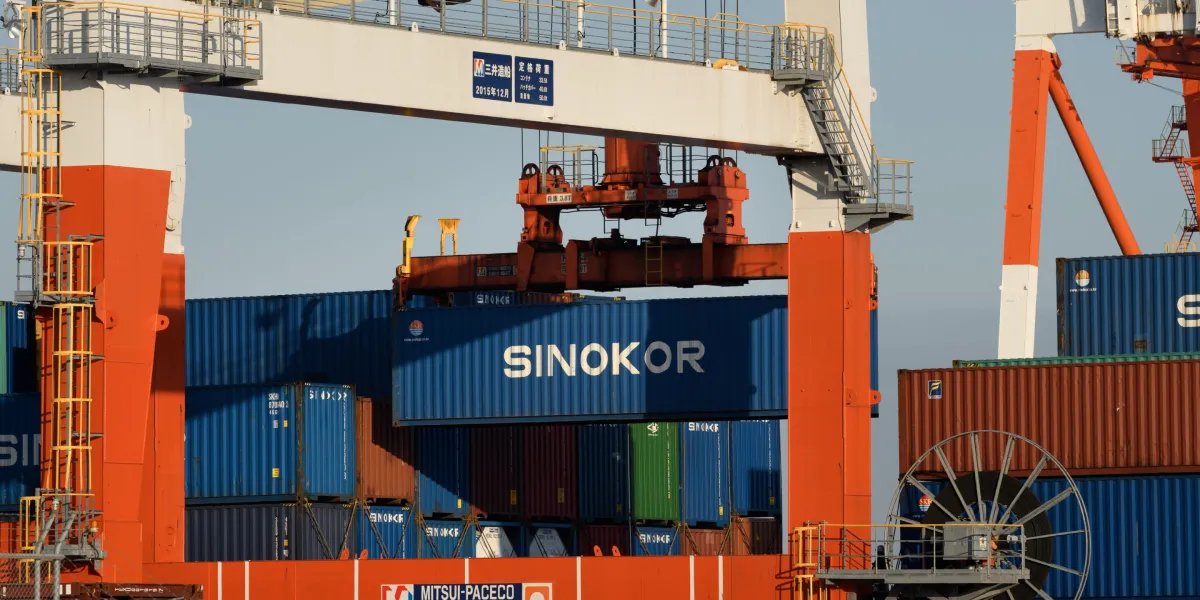
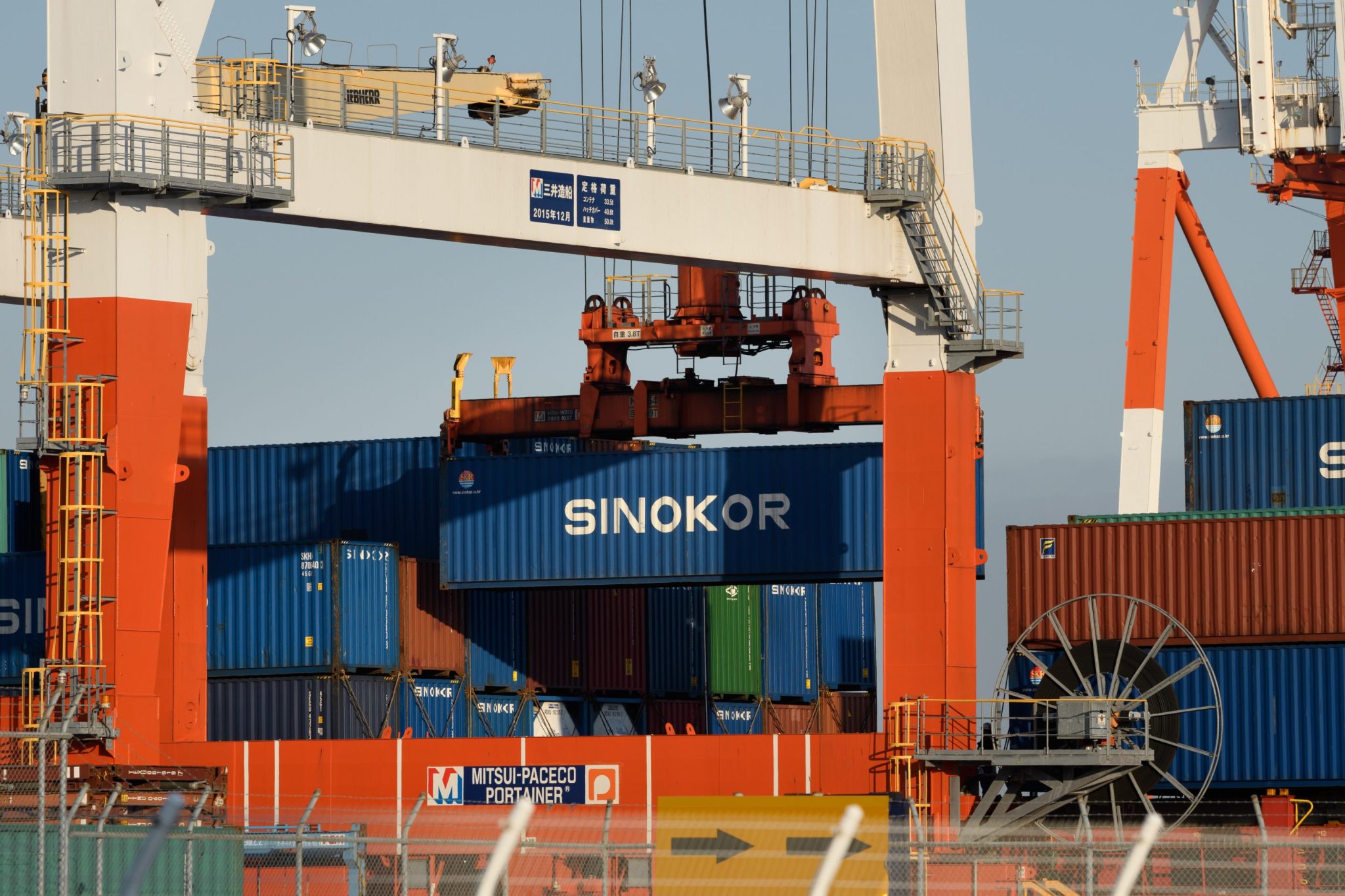
The intensely private Korean shipping tycoon rocked the tanker industry early this year as his Sinokor Group embarked on an unprecedented buying spree. Bloomberg reported in March that he stood to be one of big winners from the turmoil in the oil trade from the Iran war, as rates for tankers surged.
Read: Iran War Supercharges Secretive Korean Tycoon’s Big Tanker Bet
Now, Sinokor has emerged as a major owner of supertankers moving crude out of the Persian Gulf.
The company started leasing ships to Abu Dhabi National Oil Co. for its “shuttle runs” from at least mid-April. By June, almost half of Emirati crude shipments were sailing on vessels controlled by Sinokor, according to ship tracking data collected by analytics firm Vortexa.
This story is based on vessel tracking data compiled by Bloomberg, figures from Vortexa and Kpler, another leading analytics firm, and conversations with more than a dozen shipbrokers, traders and other industry insiders. The scale of Sinokor’s role in leasing ships for “dark” transits has not previously been reported.
Sinokor didn’t respond to requests for comment. Adnoc L&S, which is Adnoc’s shipping and logistics arm, said it doesn’t comment on matters related to the position, movements, or routing of its vessels, but noted that it has “an extensive fleet including owned and chartered vessels.”
While Adnoc also relied on tankers it owned directly, as well as from other owners, the deals with Sinokor were key to helping the UAE ramp up exports through Hormuz far faster than its Gulf neighbors. The shipments meant Adnoc was able to take greater advantage of surging oil prices earlier in the war, and helped alleviate the impact of the broader closure of the strait on global supplies. The company has continued to ramp up shipments, with tankers traveling more openly through the strait with transponders on since the interim peace agreement.
Read More: Oil’s Supply Wave, Tumbling Prices Rekindle Fears of Global Glut
But the deals have also created a huge profit opportunity for Sinokor, Chung and his new co-owner, Italian container giant MSC Group. Oil tanker markets are having one of the most lucrative years ever, and shipbrokers suggest that the premium for sailing into the Gulf during the war could have yielded three to four times the prewar rate.
The terms of the deals haven’t been disclosed, but the brokers estimated just three tankers doing shuttle runs since mid-April could have earned Sinokor somewhere around $60 million to $120 million.
Since the interim ceasefire between the US and Iran came into effect, Sinokor has sent a further stream of supertankers into the Persian Gulf ready to collect crude — including at least two that have already returned again after exiting to offload their cargoes. And it’s not just UAE cargoes; the company has been active in touting its services to shipbrokers as it looks to pick up barrels from elsewhere in the gulf.
“Sinokor’s moves during the Iran war are groundbreaking,” said Matt Wright, Kpler’s principal freight analyst. “By creating an environment that supports their negotiating position they are lifting rates for all owners. They are also willing to go to corners of the market where shipowners might still be cautious about, and we are seeing initial signs of a market recovery because of that.”
Bold Bets
Even in an industry dominated by larger-than-life characters, Chung’s bold bets have set him apart.
Sinokor, which is headquartered in Seoul, started out as a container shipper, before expanding to become a smaller player in oil tankers. That changed dramatically late last year, when the company suddenly went on a dealmaking spree to buy and charter supertankers with backing from one of shipping’s biggest players, MSC.
By late February, Sinokor controlled about 150 very large crude carriers, according to industry estimates — nearly 40% of the global fleet that wasn’t either sanctioned or tied up on long-term leases or regular routes.
Read More: A Huge Bet on Supertankers Reverberates Through the Oil Market
After the US issued licenses allowing the trade in Venezuelan oil at the beginning of this year, Sinokor deployed several of its vessels toward the US Gulf and the Caribbean in anticipation of the flood of barrels entering the mainstream market. At one point, the company controlled nearly all of the available supertankers that could reach the US Gulf within 30 days.
Sinokor’s aggressive buying combined with a swell in oil flows to send tanker rates surging even before the US and Israeli strikes on Iran led to the effective closure of the world’s most important oil shipping lane. By early March, rates had soared dramatically higher, hitting unprecedented levels as the market adjusted to the reality that a large percentage of the global fleet was stuck inside the Persian Gulf.
Bloomberg reported in March that Sinokor itself had moved at least six empty supertankers into the Gulf in the weeks before the war, which meant the company was able to hire the vessels out at eye-popping daily rates to hold oil, as storage in the region filled up. (Around the same time time, more details of the company’s tie up with MSC became public — the world’s biggest container line had actually bought a 50% stake in Sinokor Maritime Co.)
Daring Dash
In the early weeks of the war, the sparse traffic through Hormuz appeared largely dominated by tankers with links to Iran, while the UAE and Saudi Arabia quickly diverted crude flows to export terminals on the Gulf of Oman and the Red Sea via pipelines that bypassed the strait.
But while most ship owners and crews saw the journey as too dangerous, at least one firm — Greece’s Dynacom Tankers Management Ltd. — quickly appeared to find a way through. Just 10 days into the war, a Dynacom-operated vessel popped up on tracking systems showing its location near India, after having last signaled from within the Persian Gulf.
Dynacom’s “dark transit” move would be one that many other shipowners and crude exporters would emulate in the coming weeks and months. Adnoc was one of them.
At least four of Sinokor’s ships appear on the Equasis maritime database as being managed by Adnoc, two of them since mid-April, though shipbrokers said privately that it’s possible some of them even began in March. The total number may also be far higher, as the already opaque practices of the shipping industry have been exacerbated by the risks of war.
To be sure, Adnoc also relied on ships from owners other than Sinokor, including tankers owned by Navig8, an Adnoc-controlled firm. By early May, several people with knowledge of the matter said that Adnoc was also actively seeking tankers to purchase, to join the Hormuz shuttles — a practice that by then was already being jokingly dubbed the “Adnoc milk runs” by traders across the industry.
After collecting their cargoes at UAE ports like Zirku and Das Island, it would take the tankers roughly two days to sail with their transponders off through the Persian Gulf and along the Strait of Hormuz to the Gulf of Oman. There, they’d pull up alongside empty tankers waiting to receive the oil and then deliver it to global markets.
The ships would travel under cover of darkness, often in convoys that sailed close together and hugged the Omani coast, according to two people familiar with the matter.
Without transponders to follow, analysts and journalists have been left poring over satellite imagery from the region.
On average, Sinokor ships have transported at least 680,000 barrels a day of supplies from the UAE’s Persian Gulf ports since April, based on loadings that have been detected by both the Kpler and Vortexa platforms — though the actual figures could be far higher. Those numbers accelerated in June to 1.4 million barrels a day, the data show. At least 10 Sinokor vessels have been engaged in shuttle runs from the UAE’s oil terminals inside the Persian Gulf before discharging in the Gulf of Oman, and three of the shuttling ships have been doing so since the middle of April.
Carrying such large volumes at a time when tanker earnings have been so high has been highly lucrative for the company, and would have already gone some way to paying back a multibillion-dollar bet on supertankers.
It also puts Chung and Sinokor among some of the biggest winners of the shock to energy markets from the Iran war, alongside other large tanker owners, as well as energy traders such as Vitol Group and Trafigura Group, which tend to thrive during times of disruption and volatility.
Dark Rush
While the UAE was one of the earliest and most active shippers through the strait, by early June its tankers had been joined by an expanding stream of vessels carrying oil from neighbors including Kuwait and Iraq.
As the shipping industry gathered for a major conference in Athens, the growing flow of dark transits was one of the key subjects of conversation. Another, of course, was Chung himself. Known in the industry for his love of arm wrestling just about everyone he encounters, the indefatigable tycoon was still in dealmaking mode — trying to convince other owners to sell him more supertankers, people familiar with the matter said.
By then, many of the ships moving through Hormuz were supported by a US military program that provided guidance and aerial protection as they sailed along the Omani coast to avoid potential mines in the middle of the strait, and as Iran controlled traffic through its own waters to the north.
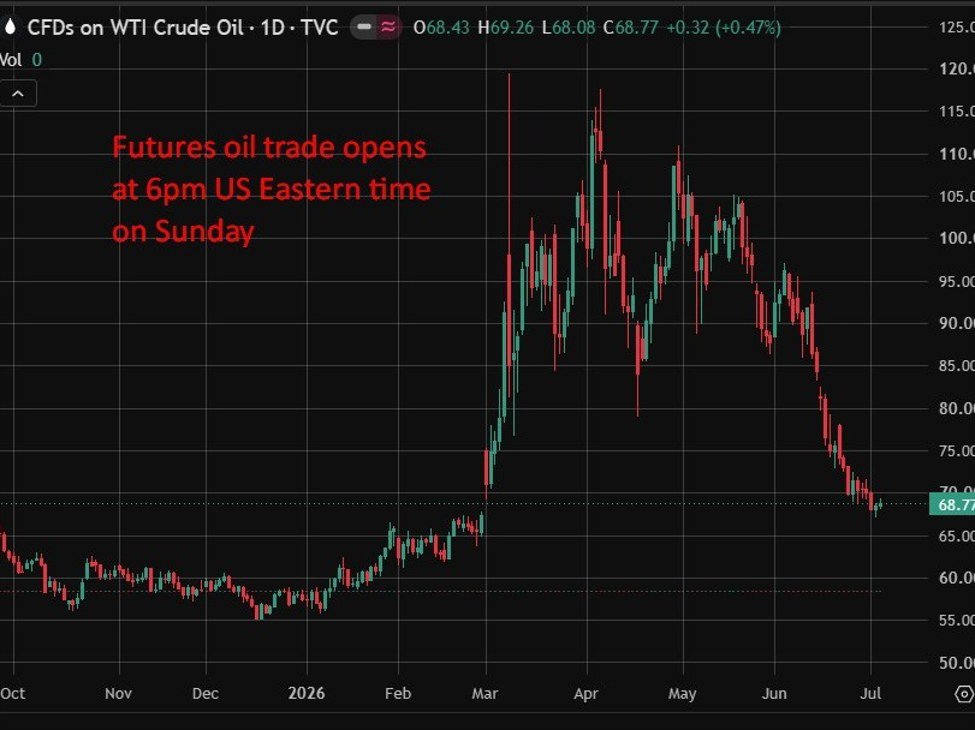
The flow of dark traffic is one of the factors that helped explain why oil markets had weakened significantly by early June, together with a surge in exports from the US and pullback in buying by China.
Read More: Why Oil’s Not at $200 After the Biggest Supply Shock in History
But the covert nature of the transits meant the task of estimating the outlook for global supply got even harder. Some analysts at the time estimated that about 2 million barrels a day was exiting the strait, while JPMorgan Chase & Co. put the figure at just over 5 million. US Energy Secretary Chris Wright said on June 12 that about 7 million barrels a day of oil was making its way out.
The interim peace deal between the US and Iran that followed just days later would open up those flows even further.
But as a stream of stranded ships began exiting the Persian Gulf with their transponders turned on, the next question was whether empty vessels would be willing to re-enter and take on fresh loadings.
Again, Sinokor was well positioned. The company controls more than a third of the VLCCs that would be able to reach the Persian Gulf in the next two weeks, according to shipbrokers’ estimates. At least one tanker that has sat waiting empty for months near South Africa is already heading towards Hormuz.
In late June, the company informed shipbrokers it had provisionally booked a vessel to transport oil from the Persian Gulf to India at a rate that was among the highest so far this year. The communication was typical of the firm’s bold marketing tactics, brokers said.
Freight rates have dropped after an initial surge following the peace deal, as it becomes more apparent that more ships are entering the Gulf, but still remain high by historical standards.
Sinokor, again, continues to play a key role. In the last week alone the company has sent at least 18 supertankers into the Gulf, enough to carry 36 million barrels of crude out of the world’s most important energy producing region.
“We can pass Hormuz Strait after loading,” Sinokor said in a message distributed to shipbrokers in late June, in which it urged brokers to book the company’s ships to load from an Iraqi oil terminal, adding: “Please let us know if you have any cargoes available.”