Kevin Warsh’s speech at Jackson Hole didn’t surprise, with the Fed chair saying inflation still isn’t slowing sustainably, so there’s more work to do. His focus on core inflation moving toward the 2% target signaled the Fed could act more aggressively, pushing the odds of a September rate hike from 36% to 57% and sending the S&P 500, Nasdaq, and Dow Jones lower.
And things would have looked even worse without Nvidia’s results, which beat expectations again, with second-quarter revenue more than doubling to $96.2 billion and its data center business hitting a record $89 billion.
That said, although Nvidia warned of a temporary margin decline due to higher memory prices, it said the issue is still supply, not demand, and despite competition and AI bubble risks, it expects the AI boom to drive 70% revenue growth in fiscal 2028, versus 45% expected by consensus.
Now, with this positive factor gone, attention is back on the inflation outlook, and things aren’t looking great.
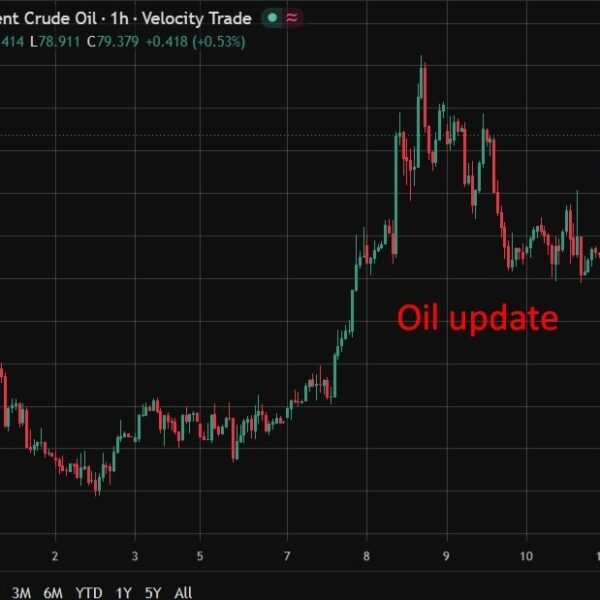
Starting with the main factor behind the rise in inflation, geopolitics, the U.S. and Iran once again exchanged strikes, reducing vessel traffic through the Strait of Hormuz. This could push up not only oil prices but also refined products such as diesel, which is crucial for agriculture, as well as gas, which is a particular headache for Europe.
The Russia-Ukraine war is disrupting shipping in the Black Sea, a key route for wheat.
Last but not least, trade tensions with Canada and China are rising, adding to inflation and potentially forcing central banks, including the Fed, to tighten policy, especially as U.S. PCE inflation rose 0.2% in July, taking the annual rate to 3.7%, both above expectations. The fact that the economy remains strong and the labor market is near full employment doesn’t help either.
No wonder the U.S. 10-year yield rose to 4.75%, its highest level since January 2025, while gold fell.
So, will the Fed actually raise rates in September?
At first glance, the conditions are there, but since taking office, Warsh has said he would bring inflation back to target without compromise, yet nothing has changed, and if that happens again, markets may worry that the Fed is losing its independence.