
Richard Drury/DigitalVision via Getty Images
The name iShares Core Dividend ETF (DIVB) doesn’t really tell you what the fund does because dividends aren’t the only focus here. With an SEC yield of 2.86% (as of March 31, 2026), it’s not exactly a dividend hero, and since part of the gains are made as share buyback yield, a more accurate term would be dividend and buyback ETF.
What we’re going to concentrate our efforts on is to understand why this logic works, and why you need to look at dividends and buybacks as two sides of the same shareholder return coin.
The iShares Core Dividend ETF Index Methodology
DIVB has AUM of $1.26 billion, an expense ratio of 0.05%, and it was launched on November 7, 2017. The goal of the ETF is to track the Morningstar US Dividend and Buyback Index, which I think is more accurately named. It’s an equity index targeting companies with the best total shareholder returns.
Diving into the methodology, the key phrase here is Adjusted Shareholder Yield, calculated as:
For the securities in the benchmark, as of reconstitution date, z-scores are calculated for trailing 12-month dividend yield and trailing 2-year buyback yield, annualized. The z-scores are winsorized at +-3. Adjusted Shareholder Yield is calculated as the sum of 0.75 times dividend yield z-score and 0.25 times annualized buyback yield z-score.
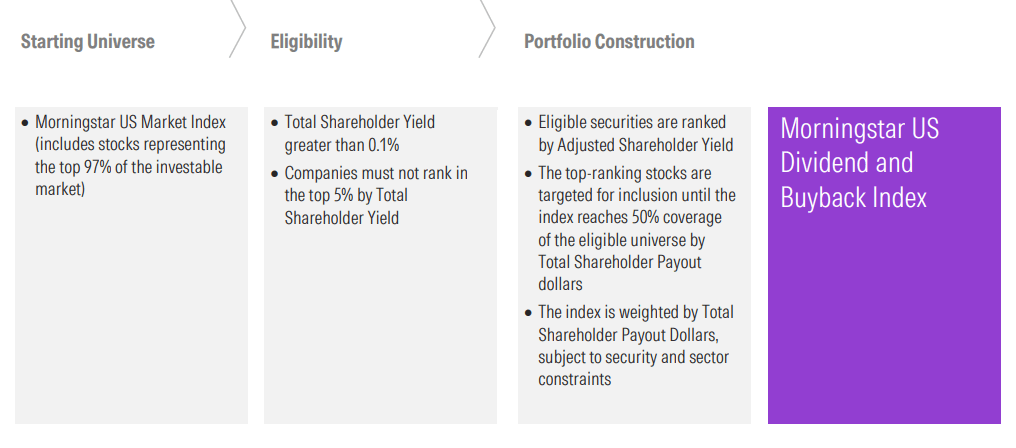
What it means is that the index is constructed to gain 75% exposure to the highest-yielding dividend payers and 25% to the highest-yielding share repurchasers. For some reason, the top 5% of Total Shareholder Yield (from which the adjusted figure is derived) aren’t eligible for inclusion, but I’m guessing that’s more to do with keeping outliers from cluttering the portfolio.
Index Rulebook
The investible universe that’s left over from this initial filtering exercise is then used to construct the index, which covers the top half of the highest payers by dollar value (calculated as total shareholder yield times float-adjusted market capitalization). The resulting index has about 400+ constituents that are already ranked by adjusted yield.
Portfolio Characteristics
DIVB Website
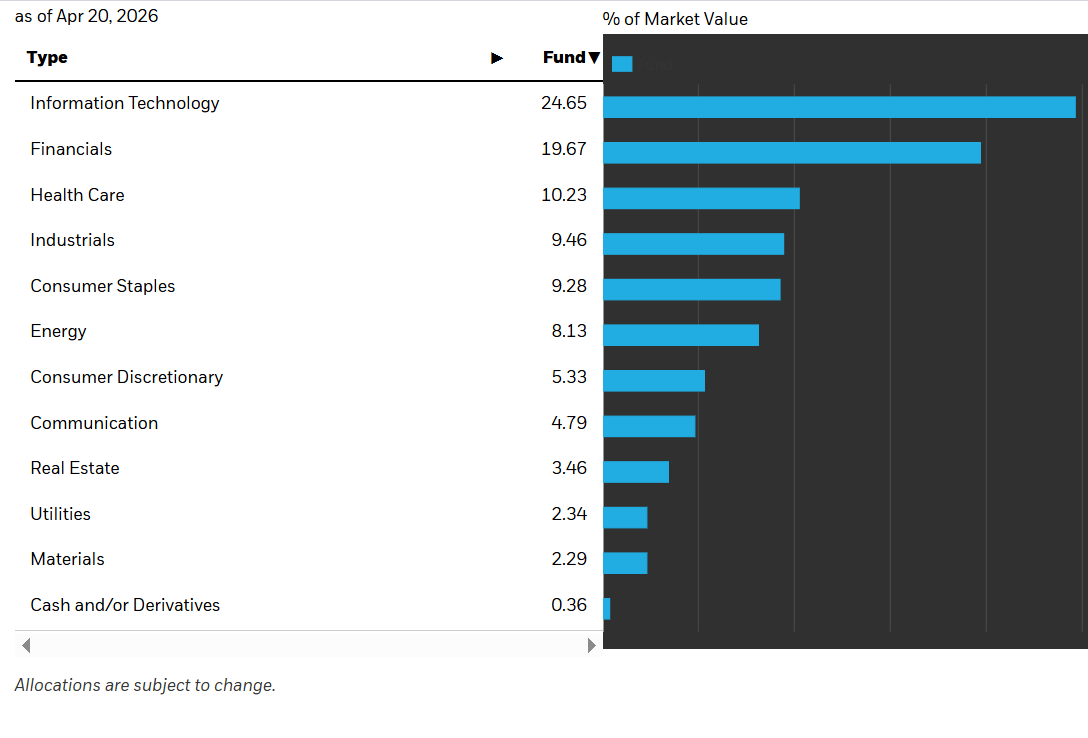
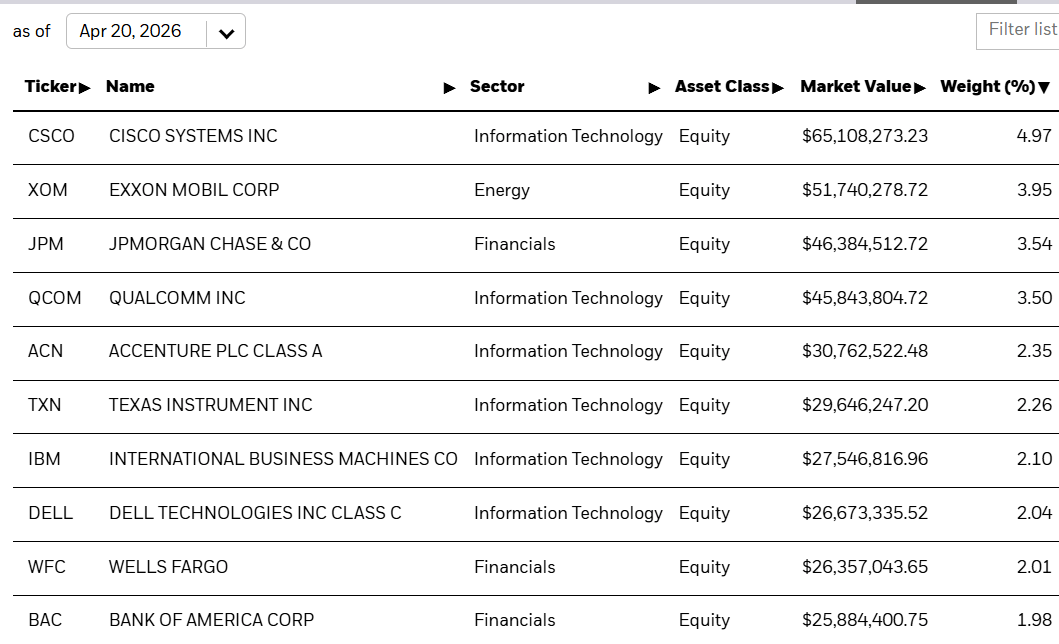
You’ll see the usual suspects at the top – technology, financials, health care, etc., but what’s different here is that you won’t find the usual big names in tech.
DIVB Website
Does that mean the Magnificent 7 don’t qualify at all? I’m afraid that’s the case, even with Apple (AAPL) and its massive buyback authorization. It’s refreshing, in a way, to see an equity ETF that doesn’t hold the Mag 7.
That also means these trillion dollar companies aren’t giving nearly enough back to shareholders because they’re giving capital growth in exchange.
Not a bad deal, per se, but it makes you wonder why they’re not locking in more investors with sizeable yields. Worst case, they sacrifice free cash flows and still maintain their high capex, but the benefit is more market stability because investors will be compensated for downturns by a stronger yield. That might at least make them hesitate to sell-off on short-term bad news, but I guess that’s an argument for another day.
As for DIVB, the fact that it doesn’t hold these megacap companies means a more stable portfolio with relatively lower risk.

ETF.com
DIVB Website
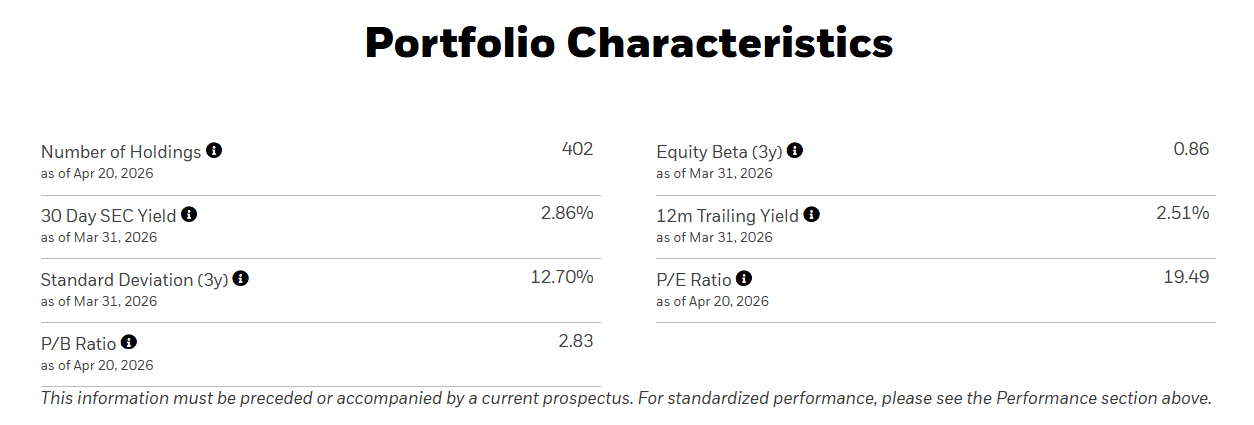
A sub-20 P/E and sub-3 P/B portfolio like DIVB’s means you get to dilute risk in your technology holdings, so it’s worth looking at from that perspective.
Overall, what you’re getting in exchange for this low expense ratio is better shareholder returns and much lower risk than nearly any cap-weighted equity basket.
Portfolio Performance
How’s that been going? Let’s check.
DIVB Website
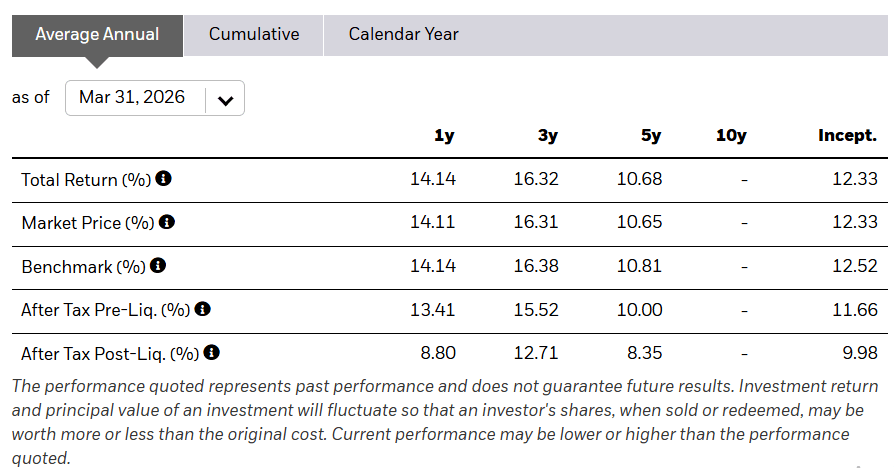
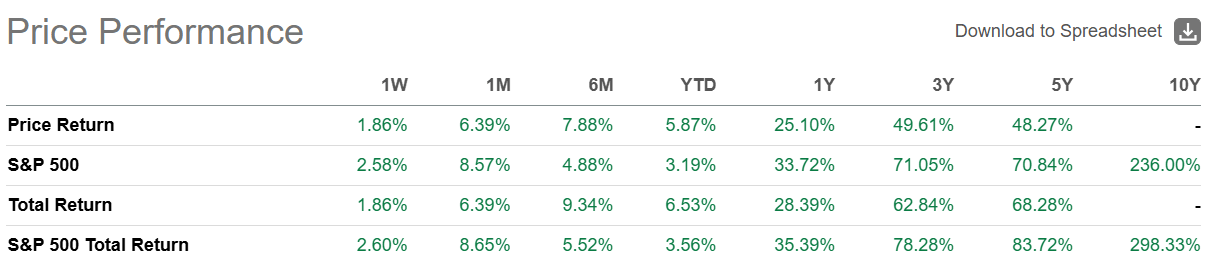
That’s a reasonable annual total return since inception. Not market-beating, but that’s not the objective of DIVB’s fund managers (BlackRock). Their job is to track the benchmark, which they’ve more or less done. A 10% estimated yield after liquidating and paying taxes, with a near 3% dividend payout, doesn’t look like a bad deal, but if it’s alpha you’re after, this might not be what you’re looking for.
SA
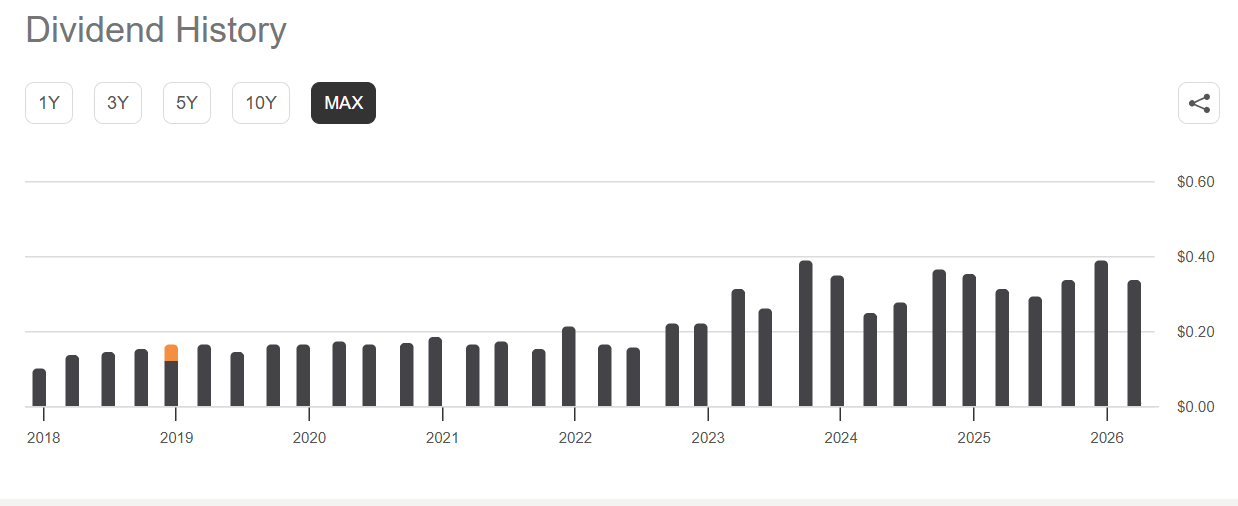
On the plus side is what we’ve just partially seen – a low expense ratio, relatively lower valuation risk, and a stable payout that’s showing some lumpiness but overall growth.
SA
What Type of Investor Is DIVB Most Suitable For?
Dividend growth investors might find this fund appealing because the strongest growth has been in recent years. Q1 wasn’t a great quarter for most sectors other than Energy, Basic Materials, and some of the more defensive sectors, and this is what we have as sector data from Morningstar.
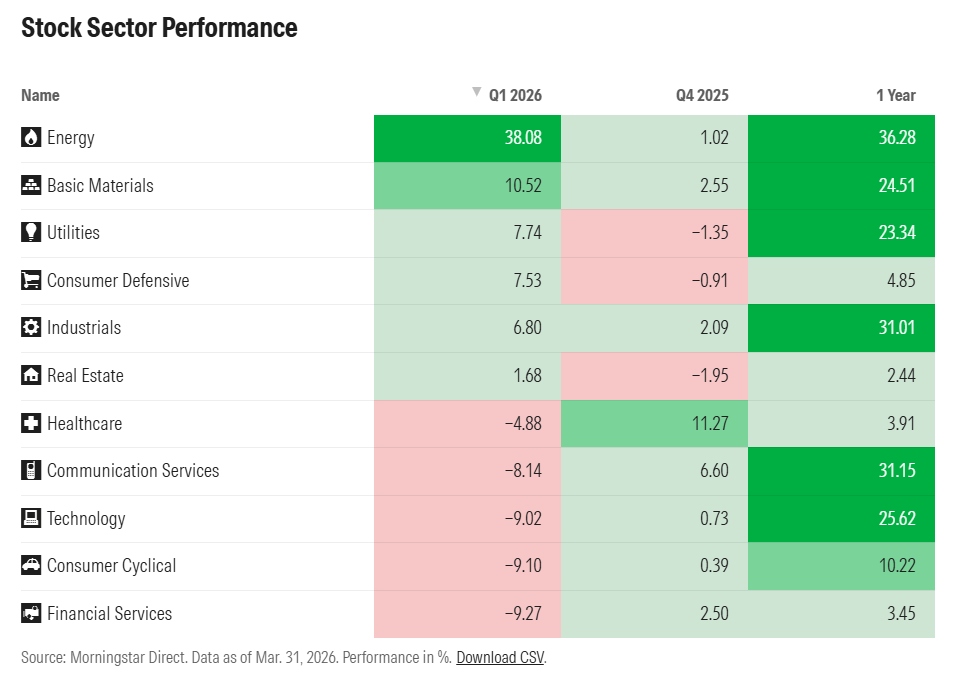
Morningstar
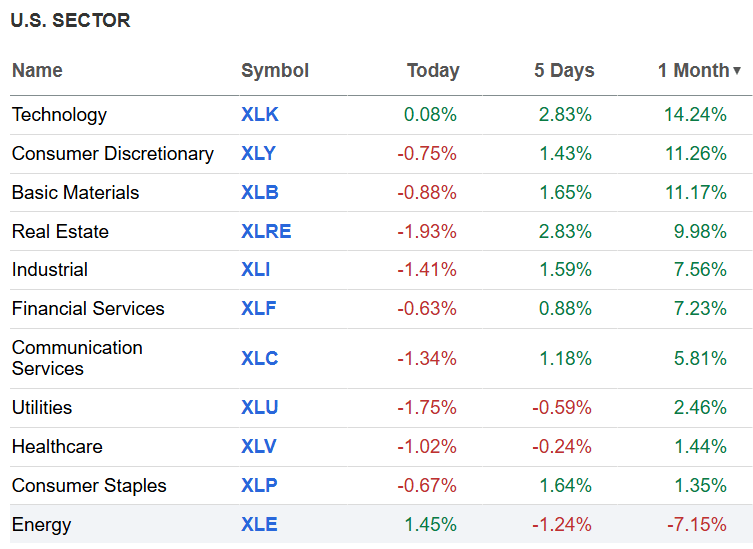
But don’t be too quick to judge, because April has been a very different ball game.
SA
A lot of investors have rotated back into Technology, Financials, and Consumer Cyclical. With DIVB giving you exposure to some of these key growth engines, it’s not a bad set up for the rest of 2026.
I’d say this is a very balanced ETF that has its fingers in several growth pies, but it filters out the ones that don’t return value to shareholders using dividends and buybacks.
To answer the question posed by this section’s header, DIVB is best suited for investors looking for long-term, stable capital appreciation and sustainable, growing dividends. Who it is not right for is the aggressive risk-taker seeking alpha over the market.
Since this is purely an educational effort, I won’t be rating DIVB, but we now know how it’s built, how it works, and where it fits into any portfolio. It’s time to DYODD, as they say, and see if this makes sense to hold.
This article answers three main questions about DIVB:
- What type of investor is DIVB best suited for?
- How is the DIVB portfolio constructed?
- Is DIVB considered a growth fund, an income fund, or a balanced fund?
Editor’s note: This article is intended to provide a general overview of the ETF for educational purposes only and, unlike other articles on Seeking Alpha, does not offer an investment opinion about the ETF.