You used to make yourself the breakfast of champions: some coffee, eggs, toast, maybe some yogurt and berries, along with some screentime. But as soon as you go to take a bite of those scrambled eggs, you stop: you saw a post saying eggs have been recalled for salmonella. Not to worry, you turn to your toast—but now even bread has been recalled for containing metal. Those berries? Recalled for e. Coli. Your breakfast has now become a wearily-drunk glass of water and doomscrolling about the latest recalled food item.
If you’re feeling weary about your food, you’re not alone: the majority of Americans have lost confidence in the American food system. And there’s a good reason: in August alone, the Food and Drug Administration announced 26 food recall notices. Add in drug notices, and the agency posted 46 recalls for the month. According to a consumer survey commissioned by GS1 US—the nonprofit standards group best known for creating the UPC barcode that’s seen in products in your grocery cart—94% of U.S. adults say they’re concerned about how frequently food is being recalled.
And within those warnings lies a growing tension: A recall means a potentially dangerous product has been identified and pulled from the market, one of the mechanisms designed to keep unsafe food away from consumers. Yet as the notices pile up, Americans are losing confidence in that system, with the share of adults who believe recalls effectively protect public health and safety fell to 80%, from 85% last year.
According to the survey, more than two-thirds (67%) of consumers say they’ve avoided an entire food category after a recall, up from 60% last year. Nearly as many, 66%, have hesitated to buy the same product or brand again. And 59% have thrown away recalled food even when their state or region wasn’t affected.
So why are there so many recalls right now, and do more recalls actually mean America’s food is becoming unsafe?
Recalls after recalls
According to The New Republic’s tally of FDA recall notices, the agency announced 18 food recall notices in August 2025 and 19 in August 2024. But two years later, that number rose to 26, excluding pet food. Salmonella accounted for a sizable share of August’s food recall notices, with 12 of the 26 recalls referencing potential Salmonella contamination, as compared to just two in July, and one in August of each of the previous two years, according to The New Republic.
The affected products were all over the grocery aisle: radishes, mangoes, alfalfa sprouts, granola and jalapeños have all been recalled over potential Salmonella contamination.
Sometimes the reasons for recalls were due to mislabeled products or foreign substances. With Halloween right around the corner, those looking for a sweet treat might get the trick, too: chocolate eyeballs were recalled for undeclared milk, meaning milk was left off the label. Ready-to-go baked spaghetti instead? Watch out for aluminum slivers. Craving a fruit bar in this summer heat? Careful, glass got your tongue. Vegan frozen dessert sandwiches? Surprise: they may contain egg. An almond and cocoa spread may come with unlisted cashews, pistachios and hazelnuts, too.
The list has gotten so long that people took to X to keep track. “America, welcome to the wheel of misfortune,” one X user wrote after the tofu recall, joking that this week’s spring had landed on tofu contaminated with ink.
But counting recall notices isn’t the same thing as counting outbreaks or illnesses. Recalls can happen for vastly different reasons, from bacterial contamination and undeclared allergens to foreign objects such as glass, metal or plastic. They can also vary dramatically in scale and severity.
A single contamination event can also trigger multiple recall notices as ingredients move through the supply chain. One Salmonella outbreak linked to jalapeños this summer, for example, resulted in several downstream recalls of products containing the recalled peppers, according to the FDA.
“There isn’t one single factor driving the number we’re seeing,” Melanie Nuce-Hilton, Senior Vice President of Customer Success at GS1 US, told Fortune.
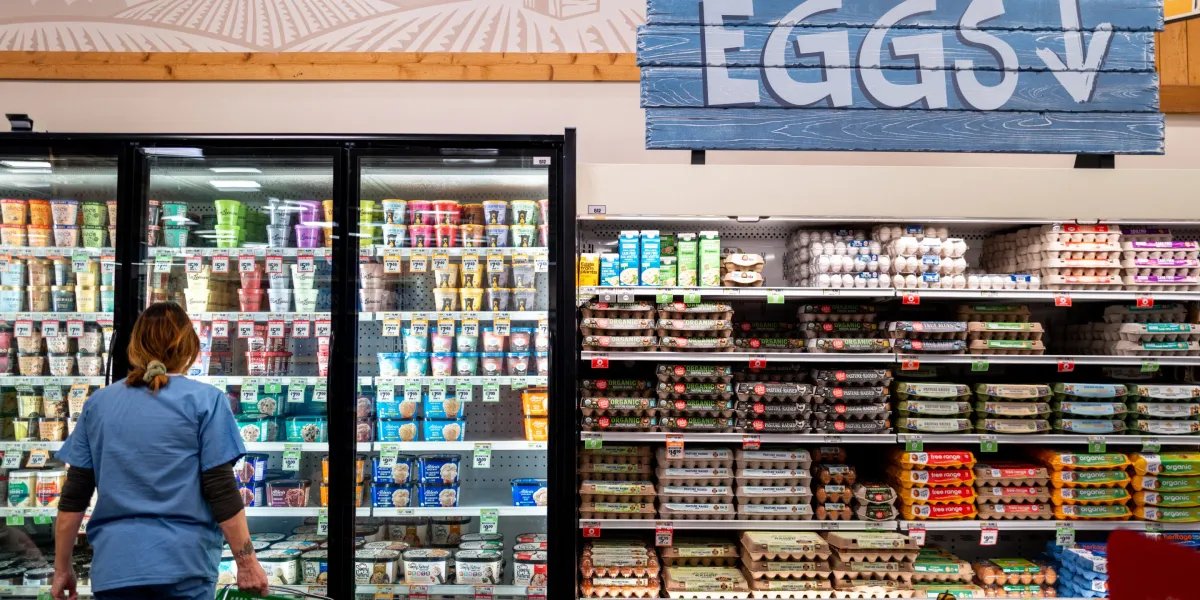
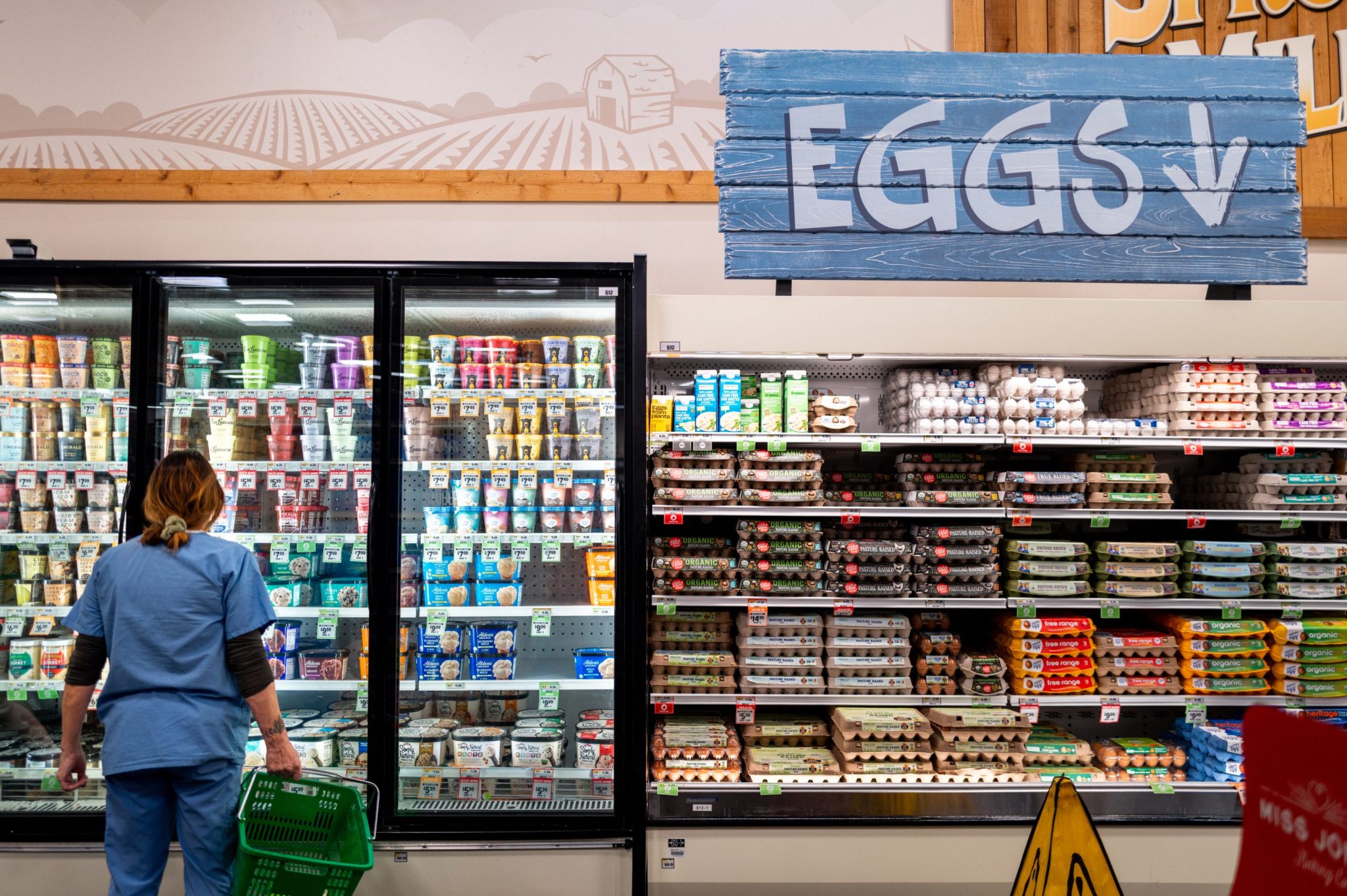
Some recalls carry far greater consequences than others. Midwest Poultry Services recalled nearly 1.6 million dozen eggs—almost 19 million eggs—after detecting a potential Salmonella contamination at two Texas farms. The outbreak sickened at least 98 people across 17 states and hospitalized 26. Nuce-Hilton said recalls can be evidence that food-safety systems are identifying problems and removing affected products from the market. However, Vineet Dubey, a Los Angeles-based environmental attorney, told Fortune they can also expose weaknesses in the system.
“People could argue that numerous recalls mean better detection, but they can also expose weaknesses,” said Dubey. “The real question isn’t simply why we’re recalling more food; it’s why contaminated food is making it far enough through the supply chain to require a recall.”
Food agencies have fewer eyes on the problem
Those concerns are arriving at a time when the federal agencies responsible for food safety have also undergone significant staffing cuts. More than 20,000 employees left the Department of Agriculture last year, while the FDA lost thousands of employees amid the Trump administration’s push to shrink the federal workforce. Reuters reported that staffing cuts disrupted some of the FDA’s food-safety work, including a quality-control program for laboratories that test food for contaminants. The USDA’s National Advisory Committee on Microbiological Criteria for Foods, which provided scientific advice on foodborne pathogens, was also terminated.
“We cannot ignore the impact of government staffing cuts on food safety,” Dubey said. “The FDA has lost a significant portion of its workforce, giving Americans fewer eyes watching the products we consume.”
Dubey cautioned that does not mean every recall is the result of staffing cuts. And the higher August count alone doesn’t establish that America’s food supply has suddenly become less safe.
The FDA did not immediately respond to Fortune’s request for comment.
One recall can scare shoppers away from an entire aisle
Whatever is driving the increase, consumers aren’t always limiting their reaction to the products regulators actually tell them to avoid.
“Consumers are making a category-level decision about a product-level problem,” Nuce-Hilton said.
Most recalls are much narrower, affecting certain products, lots, batches or regions during a particular timeframe. But when shoppers respond by avoiding the entire category, Nuce-Hilton said, companies whose products were never involved can lose sales and perfectly safe food can end up in the trash.
Part of the problem is figuring out whether the food sitting in the refrigerator is actually part of the recall.
Consumers may have to find the recall alert, inspect the packaging and match a lot code that can itself be difficult to read, Nuce-Hilton said. Faced with that process, some simply throw the food away as a precaution. Fifty-nine percent of those surveyed said they’ve discarded recalled food even when their state or region wasn’t affected.
Tracing the food itself isn’t always simple, either. Nuce-Hilton explained how fresh produce can be particularly difficult to trace because of how many hands it can pass through before reaching consumers. A single shipment may contain produce from multiple fields or growers before moving between packers, distributors, processors and retailers. Along the way, products can be repacked or combined with other lots, making it harder to preserve information about exactly where a particular item came from.
When that information gets separated from the food, companies can have a harder time isolating exactly what needs to be recalled and may end up pulling more product than necessary, she said.
When every recall sounds urgent
The food industry and regulators are trying to make that process more precise.
The FDA’s Food Traceability Rule requires companies that manufacture, process, pack or hold certain foods to maintain additional records as those products move through the supply chain. Those records are intended to help regulators identify and remove potentially contaminated food faster and must be provided to the FDA within 24 hours when requested. The rule was originally set for compliance in January, but Congress has directed the agency not to enforce the rule before July 20, 2028, giving companies more time to implement the new requirements.
GS1 US is also working with brands to transition from traditional UPCs to two-dimensional barcodes capable of carrying more detailed batch- and item-level information. One goal, Nuce-Hilton said, is for shoppers to eventually scan a package and determine whether their particular item is part of a recall instead of guessing.
The bigger risk is that as recall notices pile up, they all start to sound the same. Nuce-Hilton said consumers need to quickly understand how serious a recall is, whether the product they have is affected, and what they should do about it.
“When a shopper can get those answers quickly, the urgent recalls are perceived as urgent,” she said. “When they can’t, every recall carries the same weight, and eventually it’s possible that none of them do.”