Asia’s oil crisis is quickly worsening into a full-blown material shortage, as falling stockpiles of plastics threaten industries as far apart as food production and medical equipment.
The region imports around 70% of its supply of naphtha, a petrochemical feedstock used to produce polymers like polyethylene (PE) and polyethylene terephthalate (PET), from the Middle East. These polymers are critical inputs for everyday products like food packaging, cosmetic containers, plastic bags, and medical consumables, all of which have skyrocketed in price since the Iran war began and the materials needed to make plastics got locked behind the Strait of Hormuz.
“The stability of plastic as a basic industrial material has been shaken,” says Chen Ping-Kuo, a professor in industrial engineering and management at Japan’s Ritsumeikan Asia Pacific University (APU). He notes that as Asian societies depend heavily on plastic, the disruption will “move quickly through supply chains”.
On April 20, South Korea’s health regulators initiated a nationwide probe into intermediaries and firms suspected of hoarding syringes, which alongside other medical products like needles and gloves, are produced from oil-derived chemicals.
Much as how the COVID pandemic pushed companies to consider a “China plus one” strategy to reduce their reliance on Chinese manufacturing, the Iran war might also get people to consider a “Middle East plus one” strategy, reducing their exposure to a single chokepoint. “If the disruption persists for a year or more, forced adaptations are likely to be seen,” says Li Dong, a supply chain engineering expert from Singapore’s Nanyang Technological University. “China and other non-Hormuz-dependent producers will gain influence.”
Where is the plastics shortage hitting hardest?
Plastics and other petrochemical based products can be found throughout the modern economy, in packaging, consumer goods, semiconductors, and, worryingly, health care.
“Hospitals and clinics are preemptively ordering extra stock in anticipation of price hikes, which is creating artificial bottlenecks,” said Jung Chul-woo, a representative from the Korea Medical Devices Association. Taiwan has also been rattled by the feedstock shortage, with prices for plastic goods surging as much as 40%, according to the Straits Times.
For the healthcare industry, the shortage of polypropylene and PVC limits the availability of syringes, IV bags and sterile packaging. “As a result, what begins as a petrochemical shortage becomes a public health risk, particularly in countries with already stretched healthcare systems like India, Indonesia and the Philippines,” notes Li.
He worries the most critical impacts will be in the food industry. “In many Asian economies, plastics compensate for weak cold-chain infrastructure, as packaging extends shelf life, enables transport and reduces spoilage,” Li explains. “When packaging becomes scarce or expensive, food spoilage increases, logistics costs rise and prices are passed on to consumers.”
For example, Malaysian dairy brand Farm Fresh told the Straits Times that a shortage of PET resin—often used in the production of beverage bottles, food containers and packaging—was the reason why consumers could not find its cartons of milk on supermarket shelves.
A silver lining? Recycled plastic is in
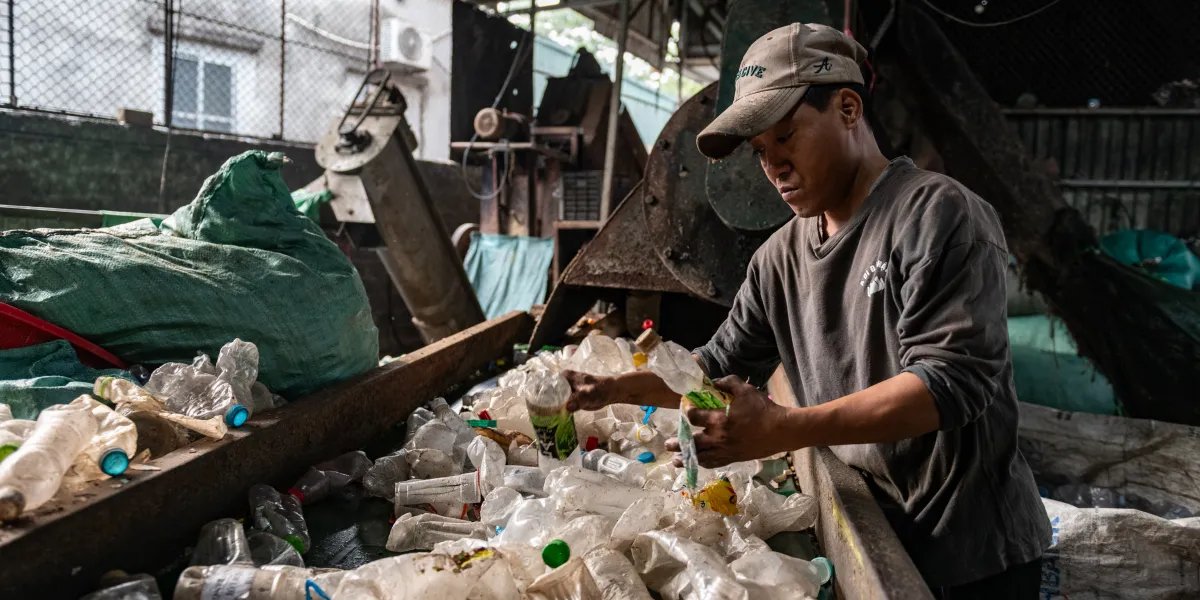
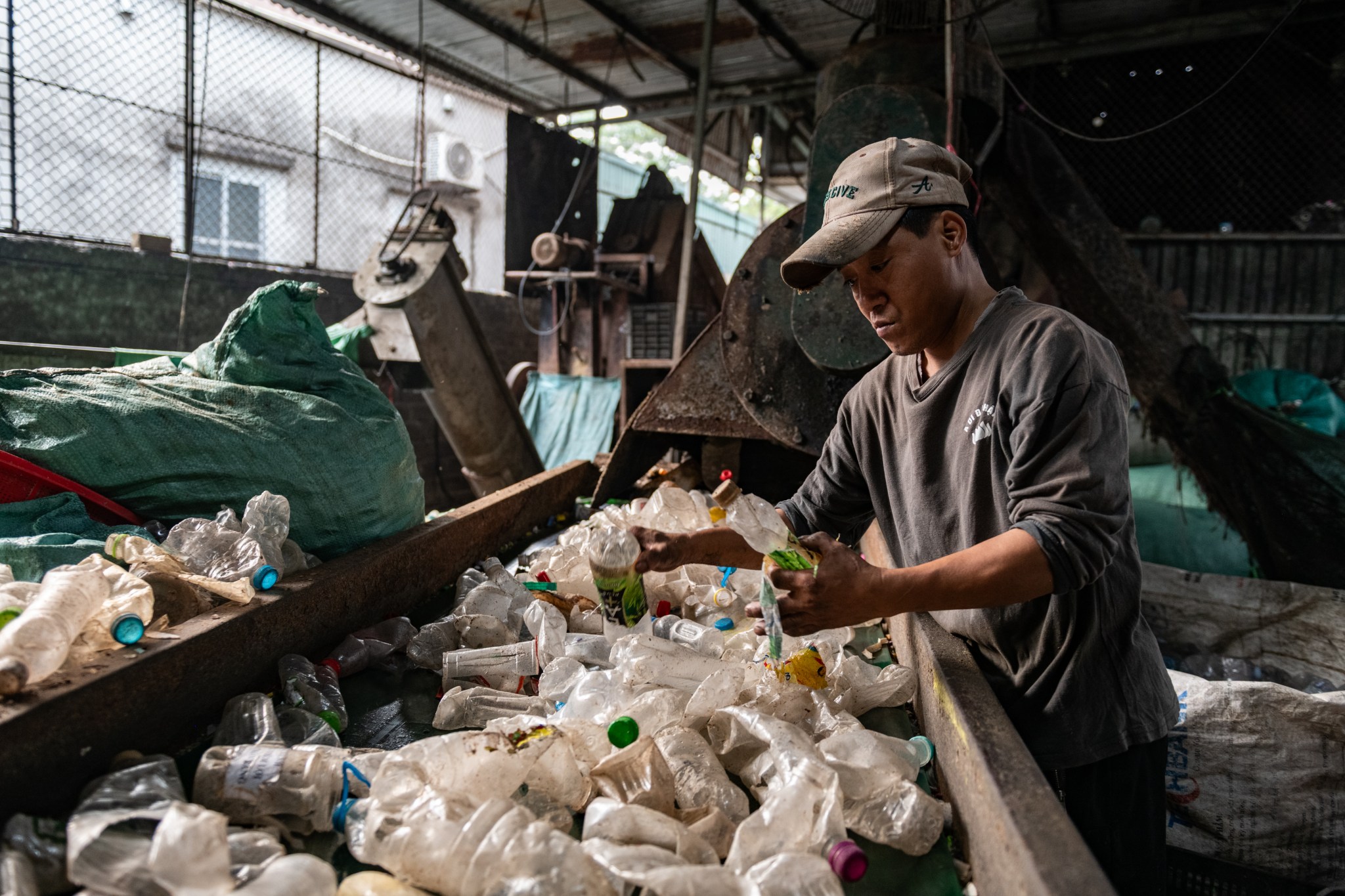
Manufacturers of recycled plastic and paper, bamboo and bagasse-based packaging are enjoying an unexpected windfall as firms search for alternatives.
According to Li of NTU, the price of recycled plastics has already jumped from an average of $400 per ton pre-crisis, to $1,600 per ton today. (Virgin plastics have similarly jumped in cost, from $950 per ton pre-crisis to over $1,800 per ton today.)
“The narrowing price gap between virgin and recycled plastics is reshaping investment logic in Asia,” says Chen of APU. “Historically, recycled plastics struggled with high costs and inconsistent quality, while cheap virgin materials suppressed demand. As virgin material prices rise due to energy, logistics, and geopolitical factors, the business case for recycled plastics becomes more viable.”
Still, Li warns that the plastic recycling industry is still “underdeveloped,” citing fragmented collection systems, contamination, and rising costs.
Winners and losers
The naphtha shock will likely hurt small- and medium-size enterprises more than bigger companies. “Large firms typically have access to tools such as hedging, long-term contracts, inventory buffers, and even the ability to invest in alternative materials; Most smaller manufacturers do not,” notes Chen of APU.
Should the supply crunch persist, Asia could see a wave of closures and consolidation among smaller manufacturers, while larger firms are likely to gain more market share. According to Chen, this will be most visible in low-margin sectors such as plastic toys, packaging processing, and basic consumer goods.
But the effect of Asia’s plastics shortage won’t be limited to the region. “As plastic and petrochemical costs rise in Asia, the impact will eventually pass through to global brands and retail markets in Europe and the United States, raising procurement costs and increasing lead-time risks,” Chen explains.