The NCAA took a massive hit to its new five-and-five eligibility rule that was implemented earlier this month, thanks to a District Court judge in Colorado.
Over the past number of weeks, a plethora of lawsuits have been filed by athletes across the country who were part of the 2022 class that entered college that say the newly introduced rule by the NCAA infringes on their rights to make a living through NIL and have an additional year of eligibility.
The arguments made in court centered on the idea that players who completed their fourth year of eligibility and would have been ineligible under the previous rule should have been grandfathered in because of how the entire process unfolded this summer.
PRESIDENT TRUMP PUSHES LAWMAKERS ON LEGISLATION AS ‘PROTECT COLLEGE SPORTS ACT’ HANGS ON BY A THREAD
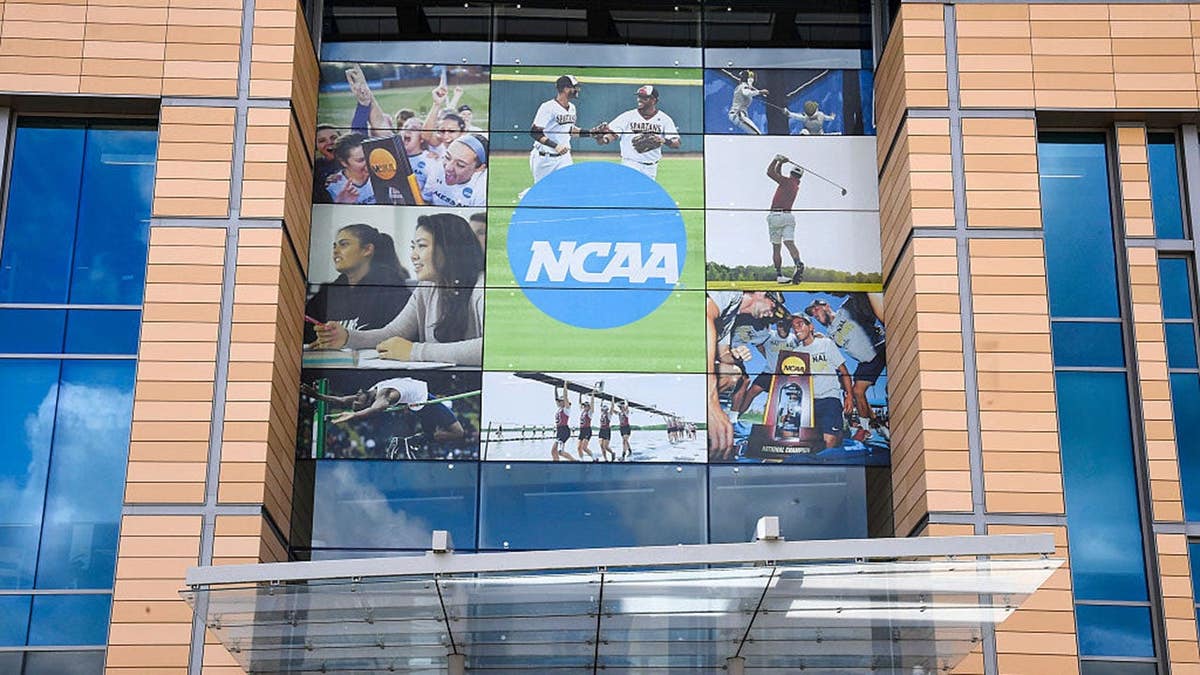
A general view of the NCAA logo on the building exterior of the National Collegiate Athletic Association National Office on June 19, 2025, in Indianapolis, Ind. (Icon Sportswire via Getty Images)
After exhausting their fourth and final season (under previous rule), their time in college would have been completed.
This was essentially how lawyers were attacking the NCAA in a court of law, arguing that if the new five-and-five rule was being implemented, then athletes who exhausted their clock this past season under the old rule should be granted the same rights that players under the new guidelines would be entitled to.
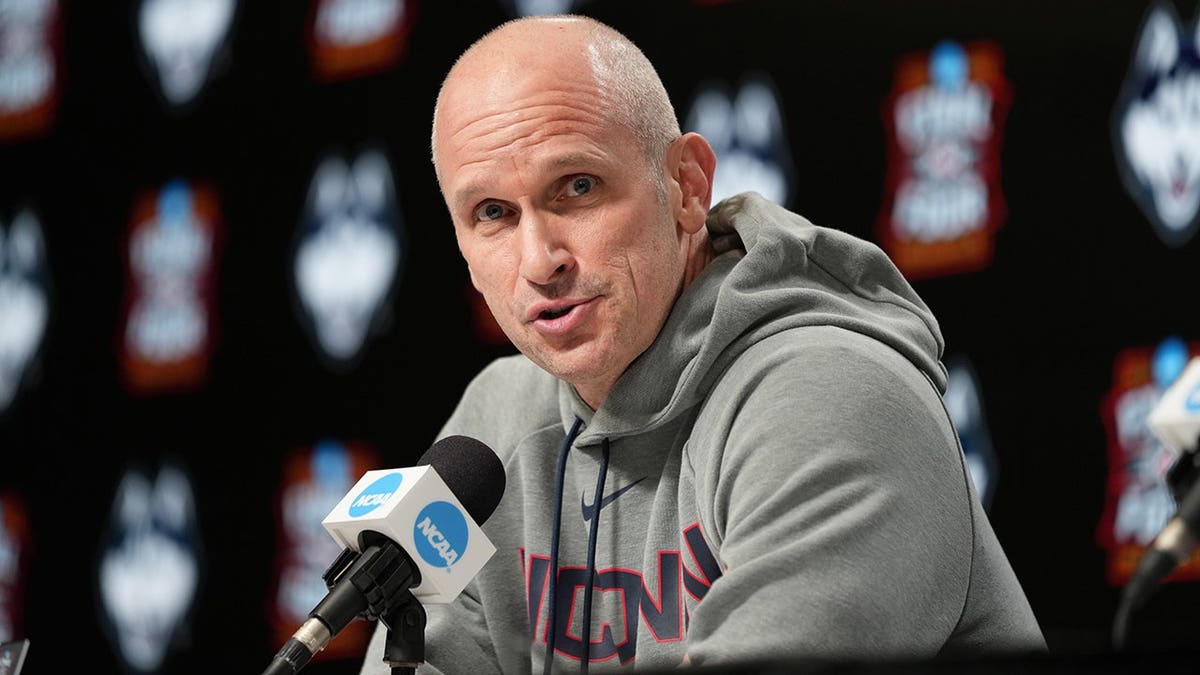
UConn head coach Dan Hurley speaks during a news conference ahead of the national semifinal NCAA college basketball tournament game against Illinois at the Final Four in Indianapolis on April 2, 2026. (Abbie Parr/AP)
Well, Judge Charlotte Sweeney of the U.S. District Court of Colorado has granted a preliminary injunction that is class-wide and orders the NCAA to create a blanket waiver that grants all athletes an additional year of eligibility for the upcoming year.
“All persons in the United States who began to play in collegiate sports in the 2022–2023 season, competed in NCAA Division I sports, and completed four years of eligibility as defined by the NCAA’s prior rules by the conclusion of the 2025–2026 season, and are therefore barred from playing a fifth season due to the NCAA’s adoption and immediate implementation of the Five-Year Eligibility Rule,” Judge Sweeney said in her order on Friday.
NCAA D1 BOARD HAS NO PLANS TO CHANGE AGE-BASED ELIGIBILITY RULE
A number of notable names in college basketball filed lawsuits against the NCAA, which included a suit that involved more than 50 different plaintiffs filed on Friday. Now, as those cases continue to play out in a court of law, one judge has ordered that all athletes hoping for an additional year are granted that right.
It should be noted that the NCAA could file an appeal in the Tenth Circuit court, which I imagine they already have prepared. But, the question now looms as to whether the NCAA should just grant a blanket waiver to all athletes, no matter the sport, that will keep the organization out of a courtroom.
What about players that went undrafted and have extra year left?
Other questions have already arisen across college athletics.
How would this pertain to college football and basketball players who went undrafted over the past five months, and were now looking for an avenue back to school for an additional season if they fall under this rule?
TICK TOCK: SEC AND BIG TEN RECEIVE REVISED PROTECT COLLEGE SPORTS ACT AS SENATE VOTE TIMELINE LOOMS
Multiple staffers have indicated to OutKick-Fox News that this question is currently being discussed among compliance departments across college campuses. Also, what does a school do about roster spots.
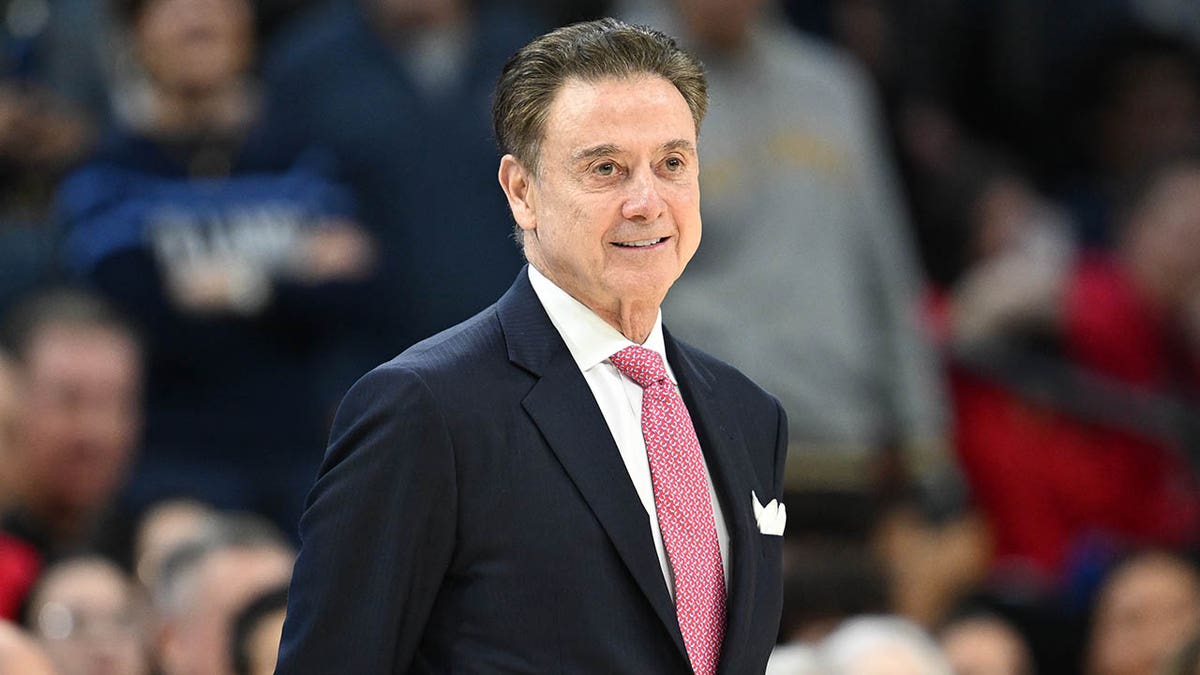
St. John’s Red Storm head coach Rick Pitino looks on during the game between the Villanova University Wildcats and the St. John’s Red Storm on Jan. 17, 2026 at the Xfinity Mobile Arena in Philadelphia, Pennsylvania. (Terence Lewis/Icon Sportswire via Getty Images)
In reality, most college football and basketball rosters are filled up, but that doesn’t mean a staff couldn’t figure out a way to work the numbers. But, to do that would take finagling, given that we also don’t know what the NCAA is going to do in this instance.
Will other schools start looking into the case of Vols linebacker?
Just this week, the NCAA upheld a two-game suspension for Tennessee linebacker Arion Carter. The Vols football player declared for the NFL Draft following the 2025 season, only to suffer an injury just weeks later that forced him to make a tough decision about his future.
Carter decided that since he could not train for the draft, and would obviously tumble during the NFL process, he would return to college for one more season. But, according to antiquated NCAA rules, since he declared, hired an agent and accepted a $427 plane ticket to attend a training session, he was ineligible.
In the aftermath, Tennessee appealed the initial three-game suspension by the NCAA, and had it reduced to two games. But, this was obviously a unique case that could be studied by athletic departments in the coming days.
CLICK HERE TO DOWNLOAD THE FOX NEWS APP
As for what happens next, it will be interesting to see how the NCAA responds. Initiate a blanket waiver or continue fighting athletes in courtrooms across the country?
We’re about to find out.