
TL;DR
- CZ discussed freezing unmoved legacy Bitcoin after a future quantum-resistant migration window.
- The idea is theoretical and is not a formal Bitcoin Improvement Proposal or active protocol change.
- The debate touches Bitcoin’s hardest questions: security, immutability and property rights.
A Theoretical Bitcoin Security Debate Goes Viral
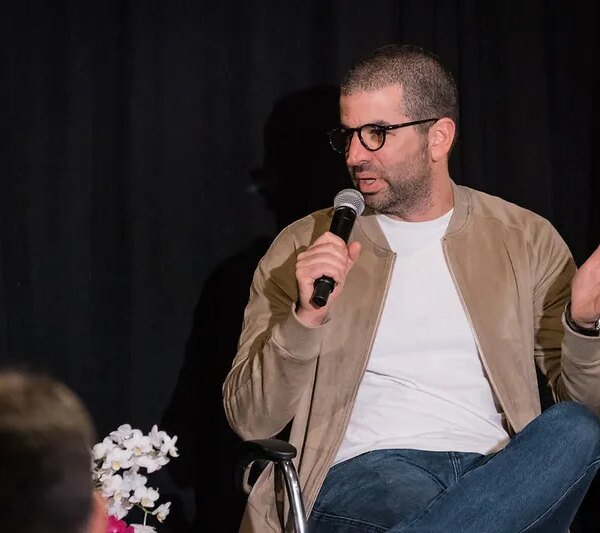
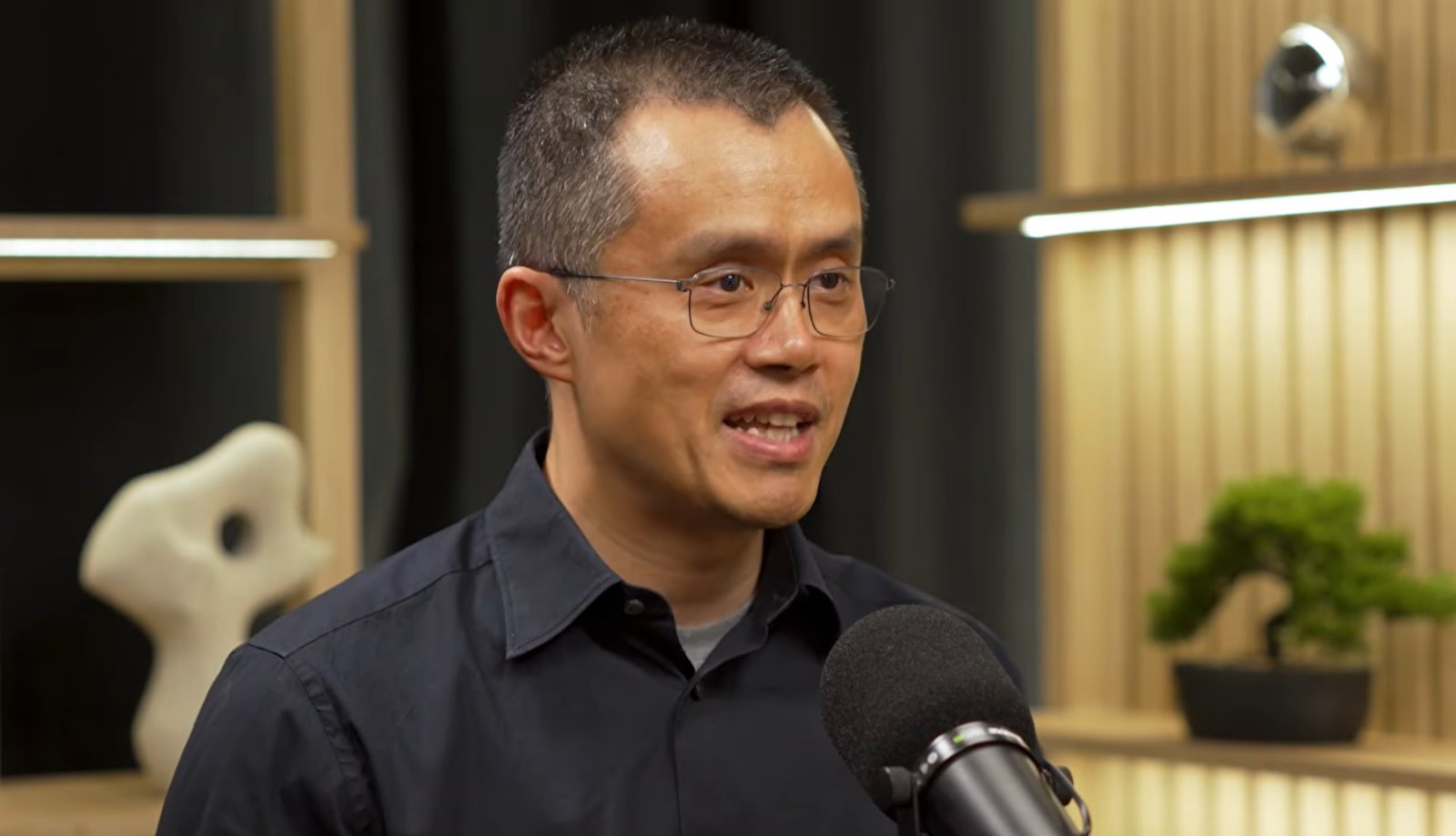
Binance founder Changpeng Zhao has sparked debate after floating a theoretical scenario in which unmoved legacy Bitcoin could be frozen after a future migration to quantum-resistant cryptography. The comments came during a June 18 appearance on Galaxy Brains, where CZ discussed long-term risks around early Bitcoin addresses and the possibility that quantum computing could one day threaten today’s signature schemes.
The topic is especially sensitive because it touches Satoshi Nakamoto’s presumed coins. Many early Bitcoin outputs used pay-to-public-key formats that expose public keys on-chain. If a sufficiently powerful quantum computer could break ECDSA, those exposed-key coins could be more vulnerable than coins whose public keys have not yet been revealed through spending.
What CZ Actually Suggested
CZ’s scenario was not a claim that he can freeze anyone’s Bitcoin. He does not have that power, and there is no formal Bitcoin proposal currently moving through consensus to freeze Satoshi-linked coins. The idea he floated was a governance path: if Bitcoin ever moved to quantum-resistant addresses, legacy holders could be given a migration window. After that, unmoved coins considered vulnerable could theoretically be frozen to prevent theft.
That is where the debate becomes intense. Supporters of planning ahead argue that doing nothing could allow a future attacker to steal coins from exposed addresses, potentially creating market chaos and undermining trust in Bitcoin. Critics argue that freezing coins, even for security reasons, would violate Bitcoin’s property-rights ethos and set a dangerous precedent for protocol-level intervention.
The Satoshi angle makes the argument even sharper. If the earliest coins remain unmoved, should the network protect them from a future attacker, or would freezing them amount to changing Bitcoin’s rules around ownership?
Security Versus Immutability
Quantum risk is not an immediate retail trading catalyst, but it is a serious long-term governance issue. Recent academic work has argued that quantum computing represents a real but bounded and migratable threat to Bitcoin and Ethereum, with the biggest challenge likely to be coordination rather than simply engineering.
Bitcoin has survived because users trust its rules. Any move that touches old coins would face enormous resistance unless the community saw a clear, credible and imminent threat. At the same time, exposed public-key coins create a hard technical question that may become more urgent as quantum hardware improves.
That makes CZ’s comments useful even for people who strongly disagree with the conclusion. They force the market to discuss what Bitcoin should do if the trade-off becomes unavoidable: preserve every unmoved coin exactly as-is, or alter rules to prevent a new kind of cryptographic theft. For now, it remains a theoretical debate, but it is one Bitcoin cannot ignore forever.
This article was written by the News Desk and edited by Samuel Rae.
Editorial Process for bitcoinist is centered on delivering thoroughly researched, accurate, and unbiased content. We uphold strict sourcing standards, and each page undergoes diligent review by our team of top technology experts and seasoned editors. This process ensures the integrity, relevance, and value of our content for our readers.